Castanopsis diversifolia
(Kurz) King ex Hook. f.
gbif· cc-by
Royal Botanic Gardens, Kew
gbif· cc-by
Royal Botanic Gardens, Kew
Description
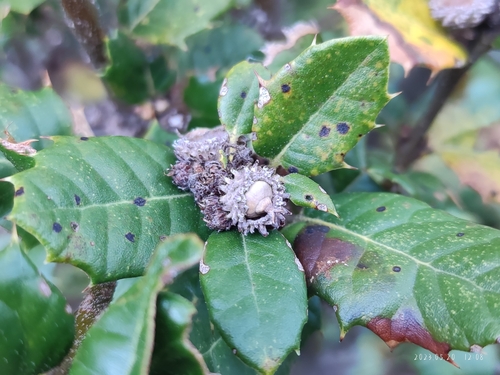
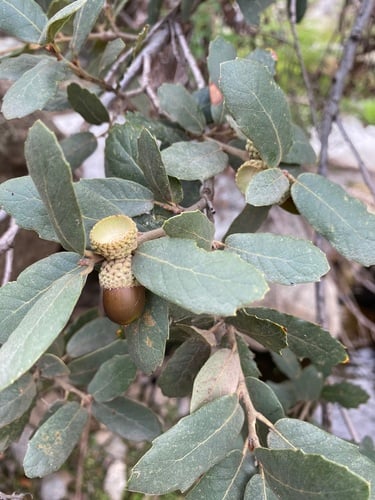
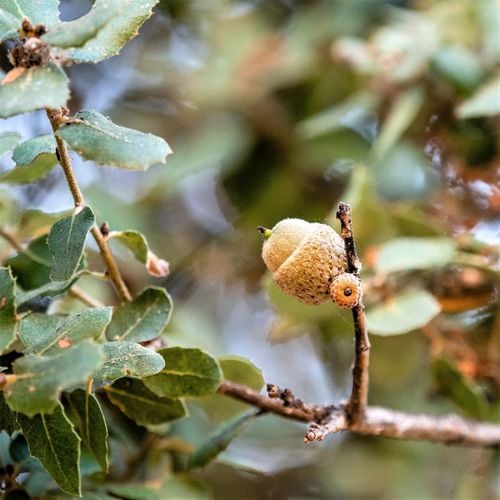
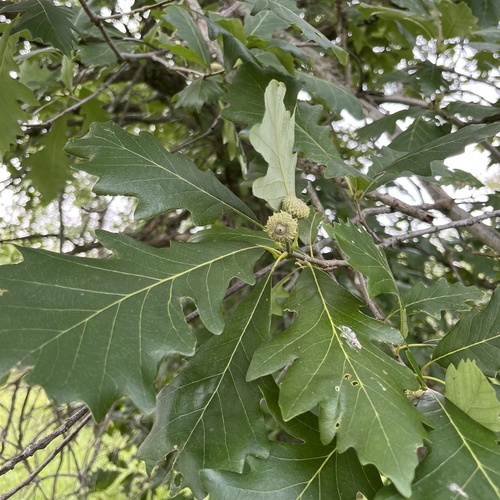
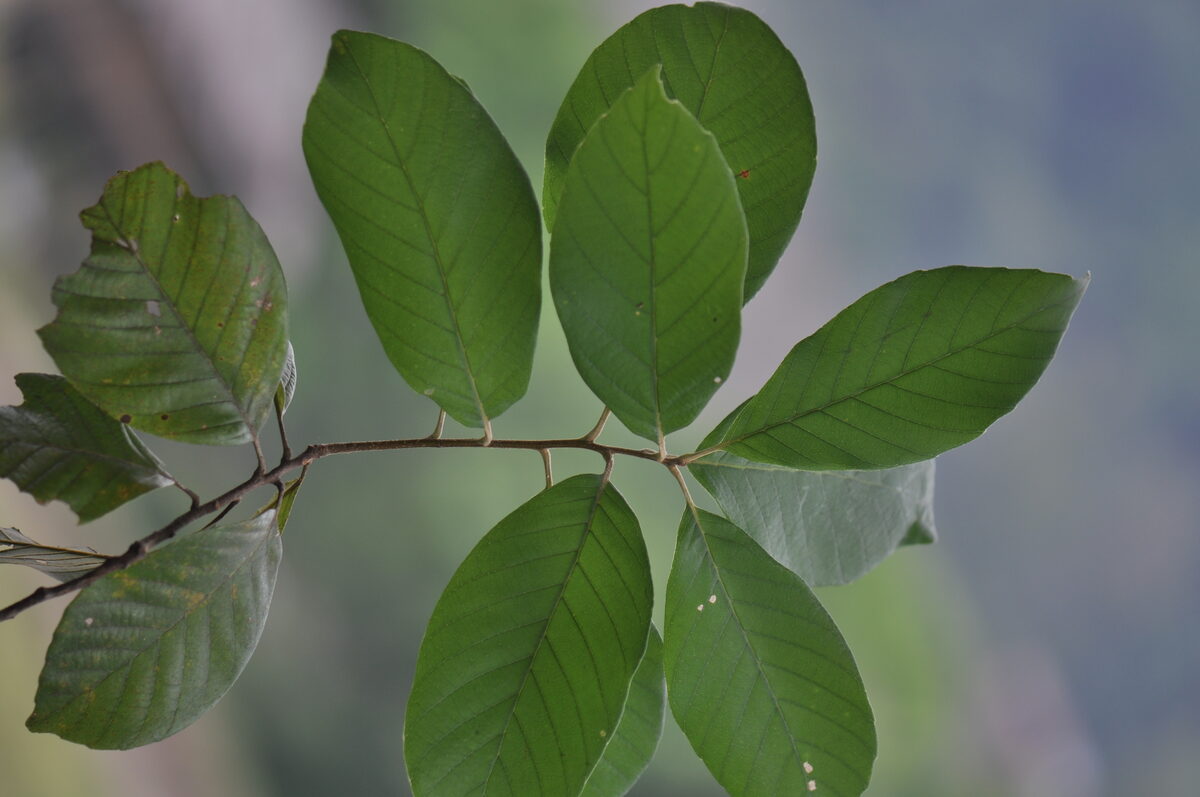
A tree. It keeps most of its leaves throughout the year. The tree is 20 m tall. The bark is grey-brown and cracked. The leaves are oval and 8-24 cm long by 4-12 cm wide. The leaf stalk is softly hairy. The nuts are red-brown. They are 20-25 mm across. They are in a capsule that is spiny.
Edible Uses
The nuts are edible and commercially harvested.
Distribution
It is a tropical plant. It is best with fertile and well drained soil. In Laos it grows between 1,000-1,500 m above sea level.
Where It Grows
Asia, Indochina, Laos, Myanmar, SE Asia, Thailand,
Cultivation
Plants can be grown from seeds. Seeds are slow to germinate and seedlings grow slowly.
Production
There are about 200 nuts per kg. In Laos nuts ripen in October.
Other Information
Nuts are sold in local markets.
Synonyms
Also Known As
Ko tab, Kyanza, Zi-za
References (6)
- Anderson, E. F., 1993, Plants and people of the Golden Triangle. Dioscorides Press. p 205
- Castillo, C., 2013, The Archaeobotany of Khao Sam Kaeo and Phu Khao Thong: The Agriculture of Late Prehistoric Southern Thailand. Ph. D. thesis University College, London p 380
- Kuhnlein, H. V., et al, 2009, Indigenous Peoples' food systems. FAO Rome p 172
- Lehmann, L., et al, Forests and Trees of the Central Highlands of Xieng Khouang, Lao P. D. R., A field guide.
- www.mekonginfo.org/assets/midocs/0001714-environment-forests-and-trees-of-the-central-highlands-of-xieng-khouang-lao
Show all 6 references Hide references
- www.pang-soong-lodge.com website