Afzelia bella
Harms
Pretty afzelia
iNaturalist· cc-by-nc
(c) thelandlover, some rights reserved (CC BY-NC), uploaded by thelandlover
iNaturalist· cc-by-nc
(c) Stefaneakame, some rights reserved (CC BY-NC)
Summary
Source: WikipediaAfzelia bella (common name doussié) is a species of shrub or tree in the family Fabaceae which grows primarily in the seasonally dry tropical biome across West and West Central Africa. It is found in Angola, Cameroon, Central African Republic, Republic of the Congo, Democratic Republic of the Congo, Equatorial Guinea, Gabon, Ghana, Guinea, Ivory Coast, Liberia, Nigeria, and Togo.
Description
A tall tree. The leaves have leaflets along the stalk and one at the end. The fruit is a pod with red to orange seeds.
This description is brief — help expand it
Edible Uses
The seeds are used as a spice or condiment, and the leaves are fermented and eaten as a leafy vegetable.
Traditional Uses
The seeds are used as a spice or condiment. The leaves are fermented as a leafy vegetable.
This uses section is brief — help expand it
Medicinal Uses
The plant (part not specified) is used as an antidote to treat venomous stings, bites, etc. The bark is used as an abortifacient and anodyne. It is used to treat conditions related to the menstrual cycle, pregnancy and skin The leaves are laxative.
Distribution
It is a tropical plant. It grows in forests on river banks.
Where It Grows
Africa, Cameroon, Central Africa, Congo DR, Côte d'Ivoire, Gabon, Ghana, Ivory Coast, Liberia, Nigeria, Sierra Leone, West Africa,
Cultivation
Plants can be budded.
Other Uses
The bark of most species in this genus is a source of tannins. The heartwood is golden-brown to light red-brown, sometimes with darker veins; it is clearly demarcated from the 2 - 5cm wide band of sapwood. The texture is coarse; the grain straight or interlocked. The wood is light in weight, soft, durable to very durable, being resistant to termites and dry wood borers and very resistant to fungi. It seasons slowly, with a slight risk of checking or distortion; once dried it is stable in service. The wood is hard to cut, stellite-tipped and tungsten carbide tools are recommended; nailing and screwing are good, but pre-boring is recommended; gluing is correct for internal use; filling is recommended to obtain a good finish. The wood has a wide range of uses, including for ship building, construction, interior and exterior joinery and panelling, cabinetwork, cooperage, shingles etc.
Notes
There are 15 Afzelia species. They occur in the tropics. Also as Caesalpinaceae. var. gracilior in Sierra Leone.
Synonyms
References (7)
- Bot. Jahrb. Syst. 49:425. 1913
- Burkill, H. M., 1985, The useful plants of west tropical Africa, Vol. 3. Kew.
- FAO Corporate Document Repository. The Major Significance of 'Minor' Forest Products.
- Grubben, G. J. H. and Denton, O. A. (eds), 2004, Plant Resources of Tropical Africa 2. Vegetables. PROTA, Wageningen, Netherlands. p 559
- Jardin, C., 1970, List of Foods Used In Africa, FAO Nutrition Information Document Series No 2.p 24
Show all 7 references Hide references
- Kunkel, G., 1965, The Trees of Liberia. German Forestry Mission Report No. 3 p 28
- Okigbo, B.N., Vegetables in Tropical Africa, in Opena, R.T. & Kyomo, M.L., 1990, Vegetable Research and development in SADCC countries. Asian Vegetable Research and development Centre. Taiwan. p 42 World Checklist of Useful Plant Species 2020. Royal Botanic Gardens, Kew
More from Fabaceae
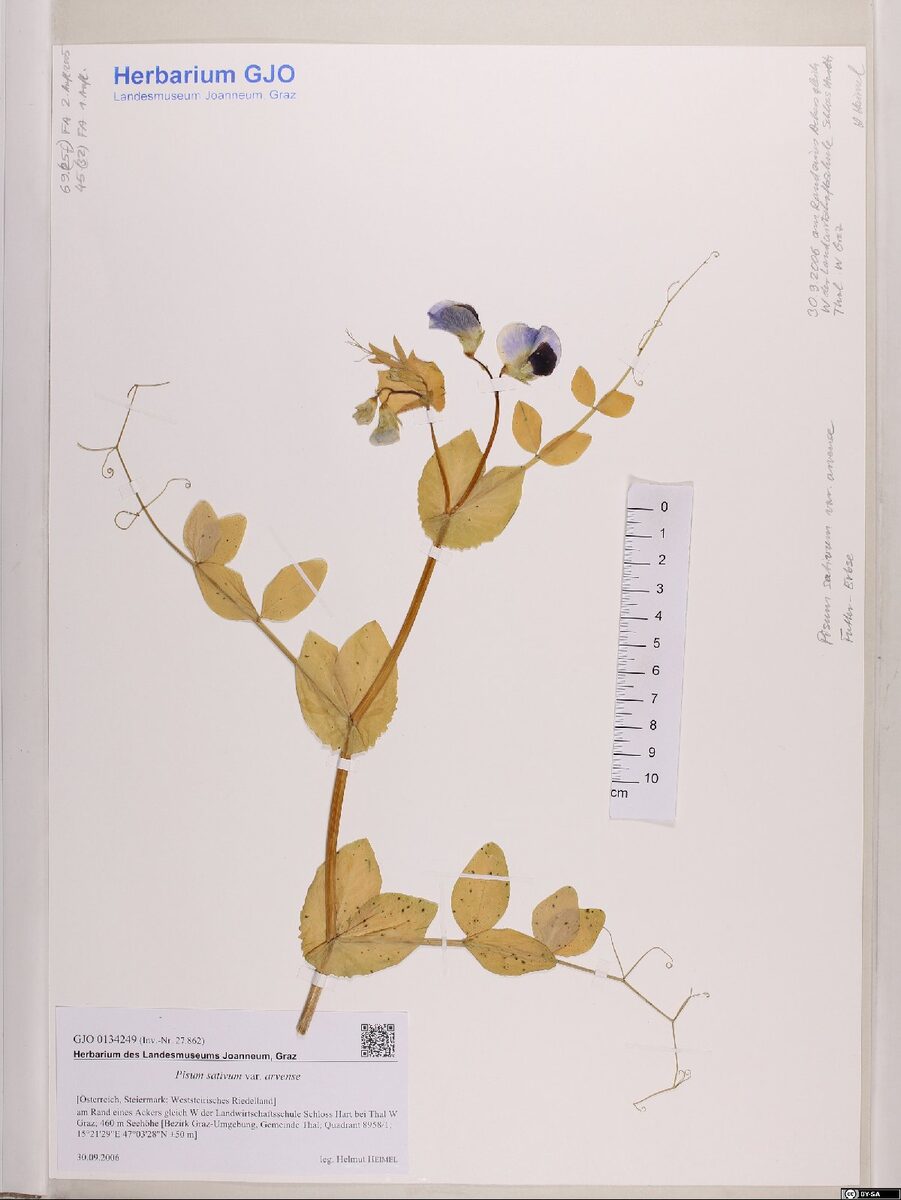
Pisum sativum var. arvense
Field Pea, Grey pea
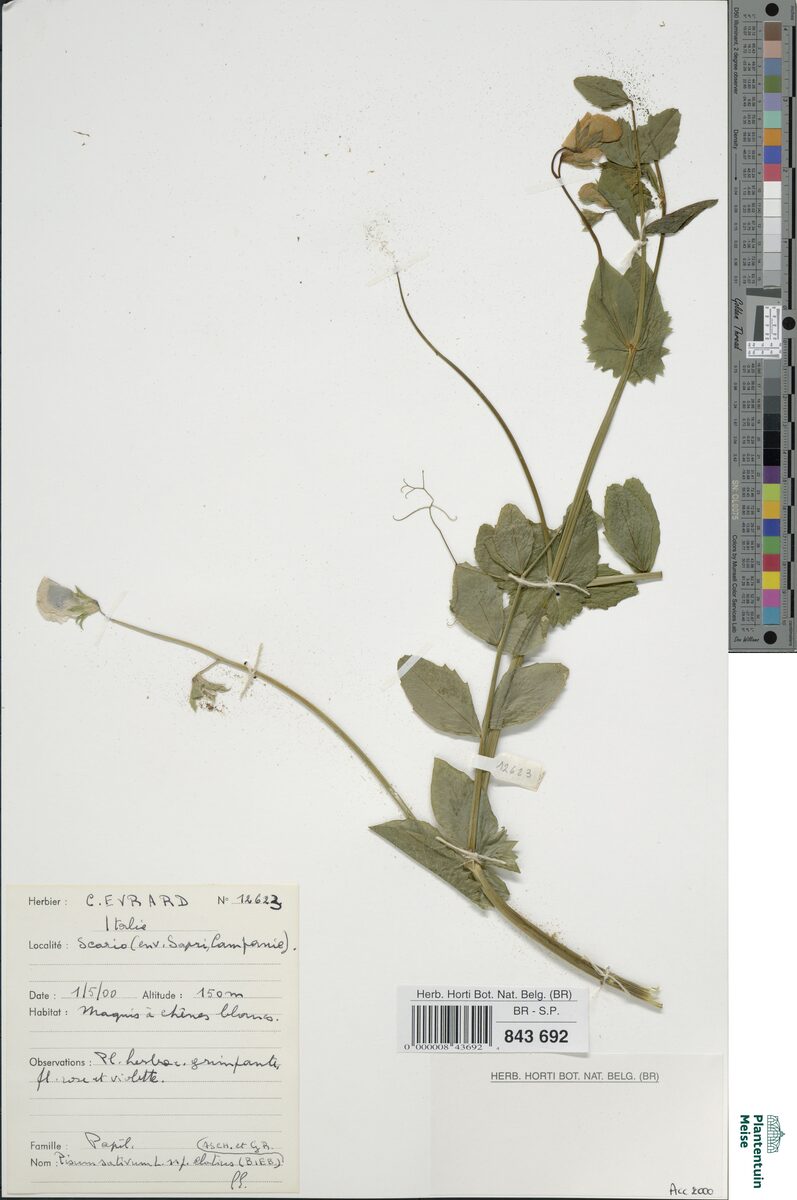
Pisum sativum var. elatius
Purple podded pea
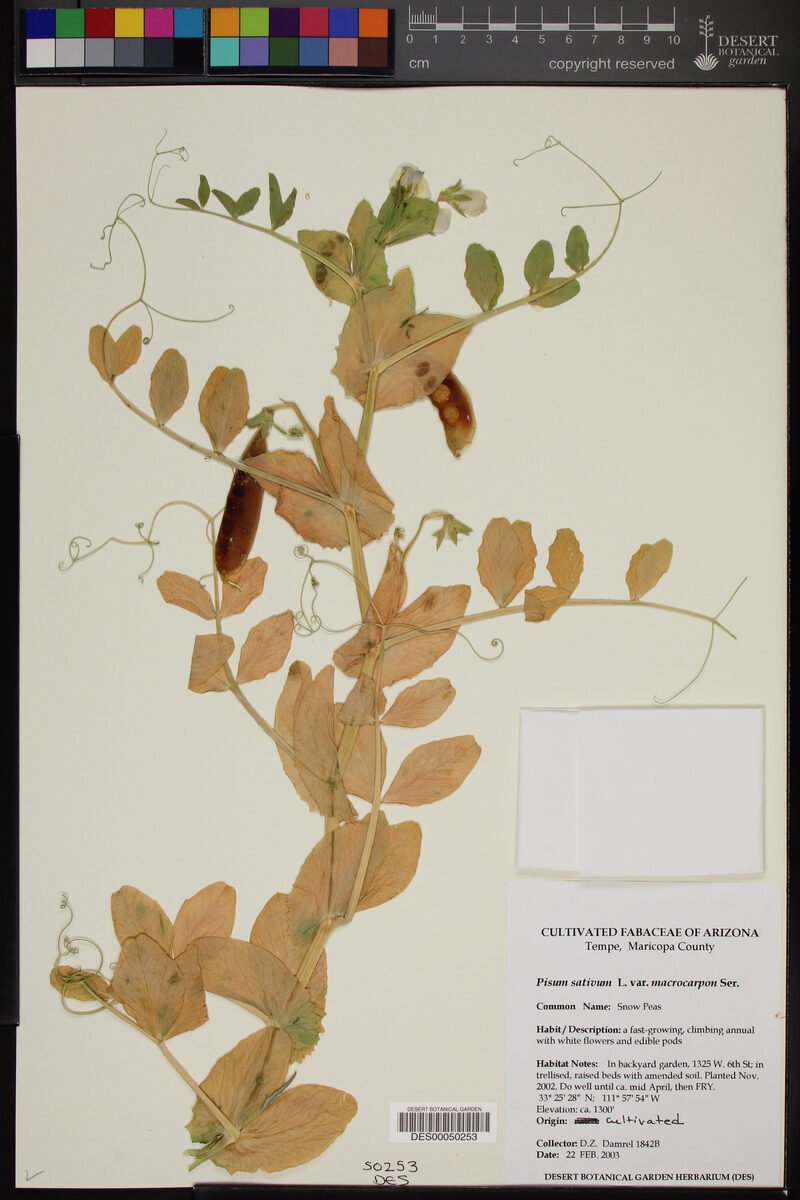
Pisum sativum var. macrocarpon
Sugar snap peas, Edible-podded peas
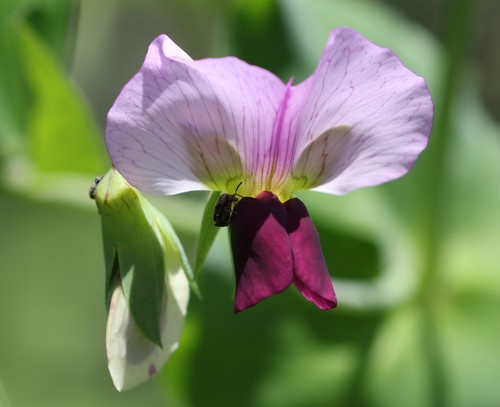
Pisum sativum var. saccharatum
Sugar pea, Snow pea, Chinese pea, Edible podded pea
Pisum syriacum
Wild pea
Pithecellobium dulce
Madras thorn fruit