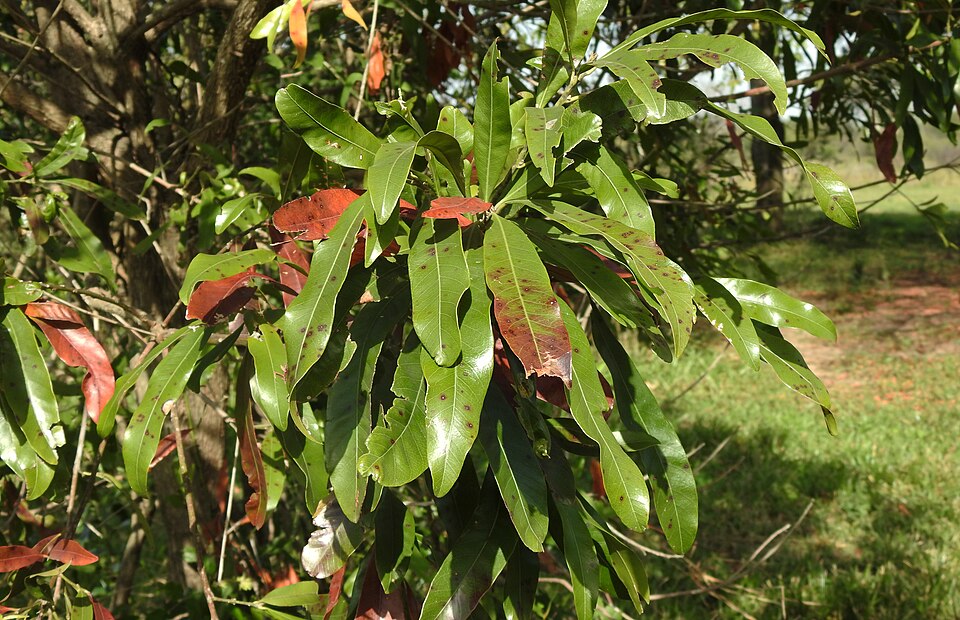
Pradosia brevipes
(Pierre) Pennington
Armadillo fruit, Fruta-de-tatu
iNaturalist· cc-by-nc
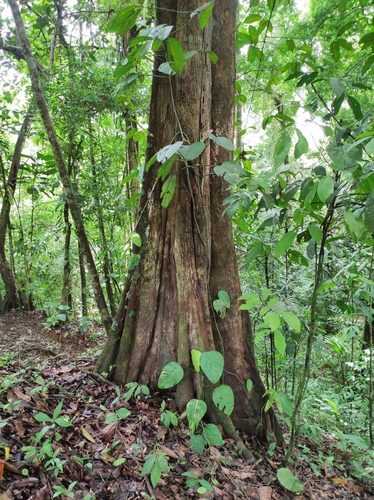
(c) Mattheus Mota, some rights reserved (CC BY-NC), uploaded by Mattheus Mota
iNaturalist· cc-by-nc
(c) Thiago RBM, some rights reserved (CC BY-NC), uploaded by Thiago RBM
iNaturalist· cc-by-nc
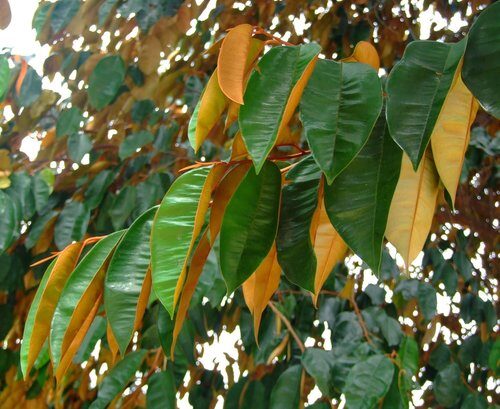
(c) Thiago RBM, some rights reserved (CC BY-NC), uploaded by Thiago RBM
Description
It is a large creeping shrub. Plants are often interconnected under the ground by a large network of roots and below ground branches. The leaves are large and a little like mango leaves. Fruit are borne on branches near ground level. The fruit is brown-yellow. It has soft apricot coloured pulp. This contains 1 or 2 large seeds.
Edible Uses
The fruit is eaten fresh or processed into juice.
Traditional Uses
The fruit are eaten fresh or used to make juice.
This uses section is brief — help expand it
Distribution
A tropical plant. It grows naturally in grasslands in central Brazil.
Where It Grows
Brazil*, Paraguay, South America,
Cultivation
Plants are grown from seed.
Synonyms
References (5)
- Lorenzi, H., Bacher, L., Lacerda, M. & Sartori, S., 2006, Brazilian Fruits & Cultivated Exotics. Sao Paulo, Instituto Plantarum de Estuados da Flora Ltda. p 309
- Pennington, T.D., 1990, Sapotaceae in Flora Neotropica Monograph 52. New York Botanical Gardens. p 641
- Silva, S. P., 1991, Frutas Brasil. Empressa das Artes. Sao Paulo. (As Chrysophyllum soboliferum)
- www.colecionandofrutas.org
- www.tradewindsfruit.com