Sideroxylon persimile subsp. subsessiliflorum
(Hemsley) Pennington, (Hemsley) Pennington
Bebelama, Chuwa, Cupilla
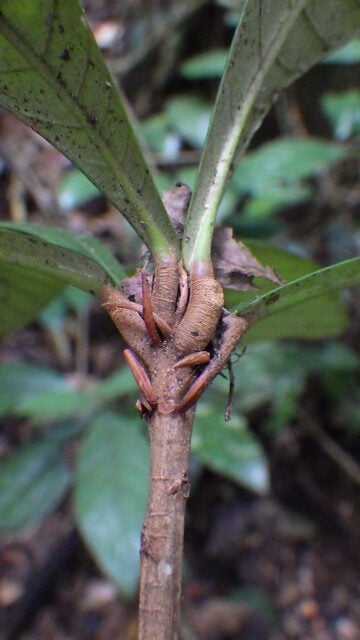
iNaturalist· cc-by-nc
(c) patriciasamperio, some rights reserved (CC BY-NC), uploaded by patriciasamperio
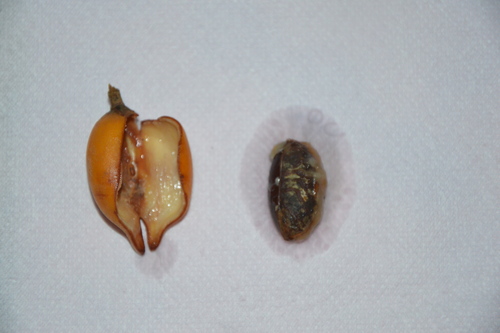
iNaturalist· cc-by
(c) Forest and Kim Starr, some rights reserved (CC BY)
Description
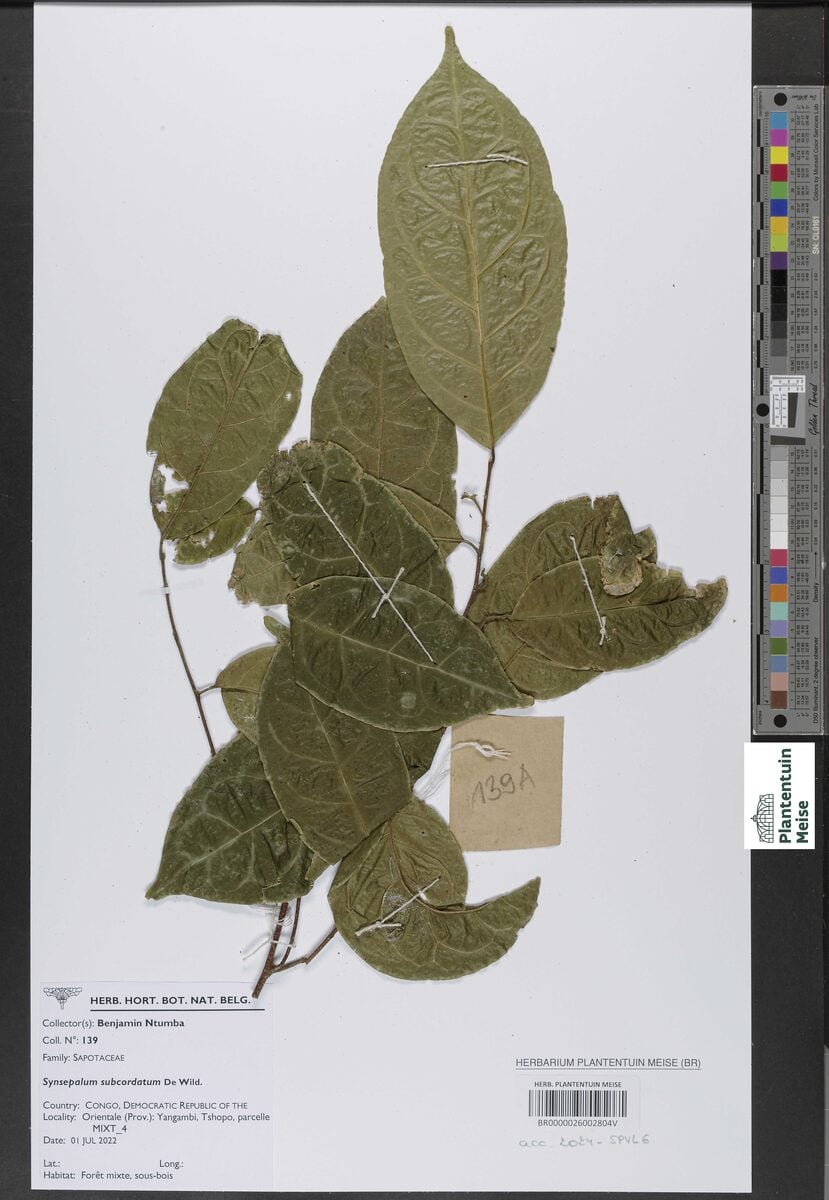
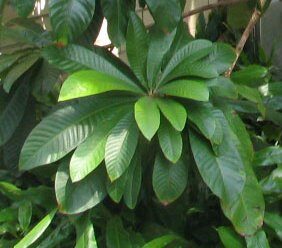
A shrub or small tree. It grows to 10 m high. The soft hairs on the young leaves are spreading. The leaf base is often rounded. The flowers are white and have a smell. The fruit are black. The fruit is edible.
Edible Uses
Fresh fruit can be eaten but may burn the mouth; cooking removes this burning sensation.
Traditional Uses
Fresh fruit can be eaten but can burn the mouth. Cooked fruit do not burn the mouth.
This uses section is brief — help expand it
Distribution
A tropical plant. It grows in tropical dwarf deciduous forest between 500-1200 m altitude.
Where It Grows
Central America, Mexico, North America,
Synonyms
References (4)
- JSTOR Global Plants edible (As Sideroxylon durangensis/Bumelia durangensis)
- Kermath, B. M., et al, 2014, Food Plants in the Americas: A survey of the domesticated, cultivated and wild plants used for Human food in North, Central and South America and the Caribbean. On line draft. p 805
- Pennington, T.D., 1990, Sapotaceae in Flora Neotropica Monograph 52. New York Botanical Gardens. p 103
- Yetman, D., 2002, The Guarijios of the Sierra Madre: Hidden People of Northwestern Mexico. University of New Mexico Press. p 224