Sideroxylon peninsulare
(Brandegee) Pennington
Babelama, Western bumelia
iNaturalist· cc-by-nc
(c) Jose Luis Leon de la Luz, some rights reserved (CC BY-NC), uploaded by Jose Luis Leon de la Luz
iNaturalist· cc-by
(c) Abraham Sánchez Romero, some rights reserved (CC BY)
iNaturalist· cc-by
(c) Abraham Sánchez Romero, some rights reserved (CC BY)
Summary
Source: WikipediaSideroxylon peninsulare is a species of plant in the family Sapotaceae. It is endemic to two spots on the southern end of the Mexican state of Baja California Sur.
Description
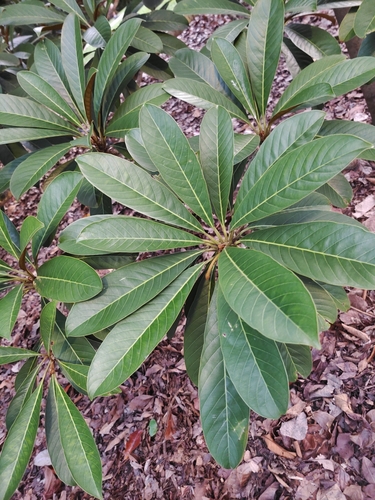
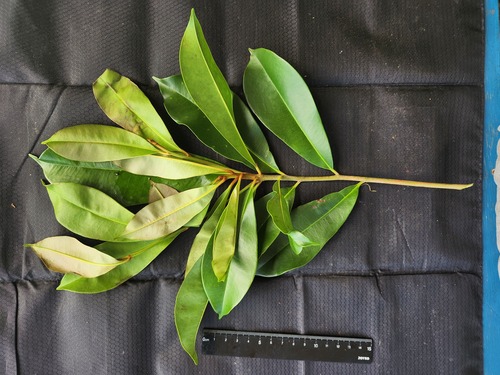
A small shrub or tree. It grows up to 5 m high. The young shoots have fine golden brown hairs. The leaves are spaced and arranged in spirals. They are 2.3-4.3 cm long by 1-2 cm wide. There are 8-10 pairs of secondary veins. The flowers occur as 2-10 in a group on branches from the one point in the axil of leaves. The ripe fruit are black. They are edible.
Edible Uses
The ripe black fruit are edible.
Distribution
A tropical plant. It grows along stream beds and gullies up to 800 m altitude.
Where It Grows
Central America, Mexico, North America,
Synonyms
References (2)
- Pennington, T.D., 1990, Sapotaceae in Flora Neotropica Monograph 52. New York Botanical Gardens. p 105
- Pio-Leon, J. F., et al, 2017, Prioritizing Wild Edible Plants of potential new crops based on Deciduous Forest traditional knowledge by a Rancher community. Botanical Sciences 95(1): 47-59