Sideroxylon stevensonii
(Standley) Pennington
Chicle faisan, Faisan
iNaturalist· cc-by-nc
(c) Jan Meerman, some rights reserved (CC BY-NC), uploaded by Jan Meerman
gbif· cc-by-nc
Rapid Reference Collection (RRC) | Field Museum of Natural History - Keller Science Action Center
gbif· cc-by-nc
Rapid Reference Collection (RRC) | Field Museum of Natural History - Keller Science Action Center
Summary
Source: WikipediaSideroxylon stevensonii is a species of plant in the family Sapotaceae. It is found in Belize and Guatemala. The faisán or pheasant zapote is a large tree of the Mopan river region of Belize. It is used primarily for lumber. Latex from this tree is used regionally as a substitute for gum. The chewy fruits are eaten by animals but unpleasant to humans as the pulp syrup binds the lips together and tongue to the roof of the mouth. It is listed on by many international agencies as an endangered species.
Description
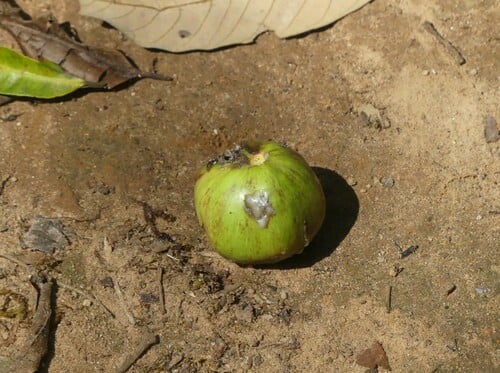
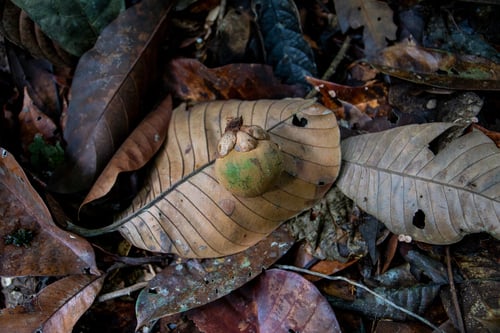
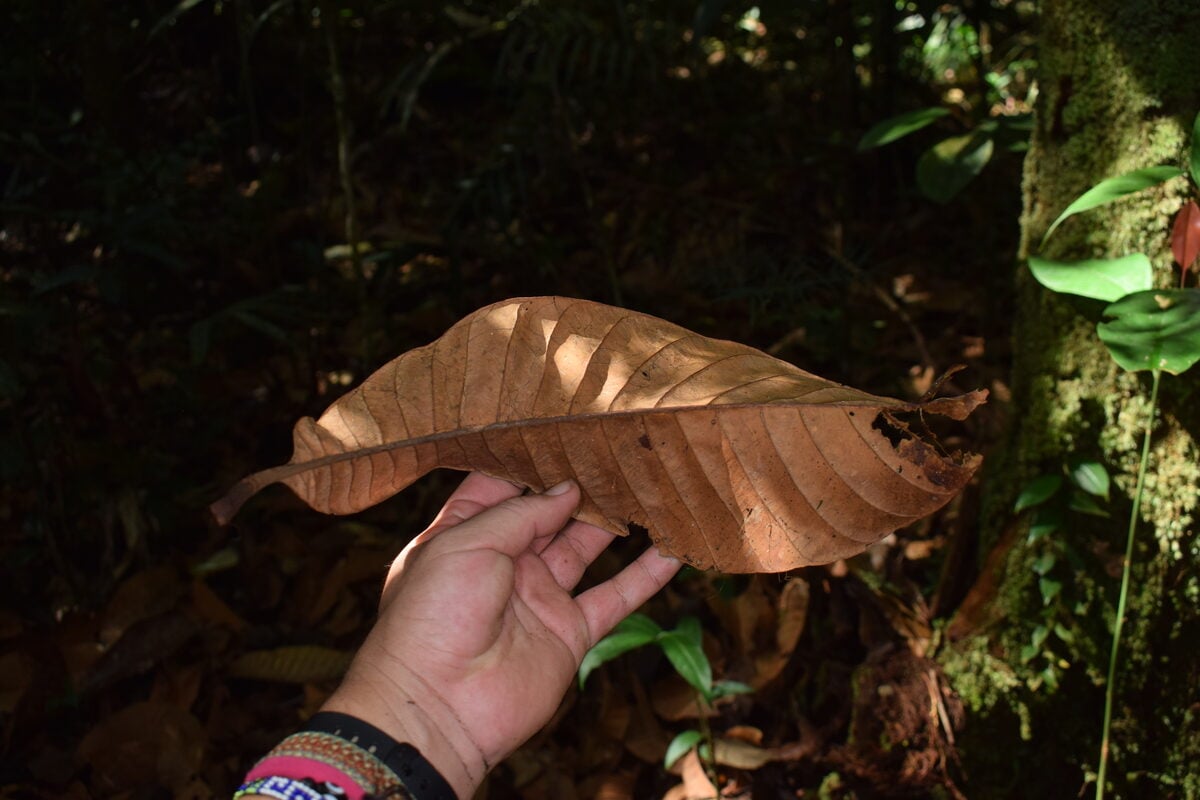
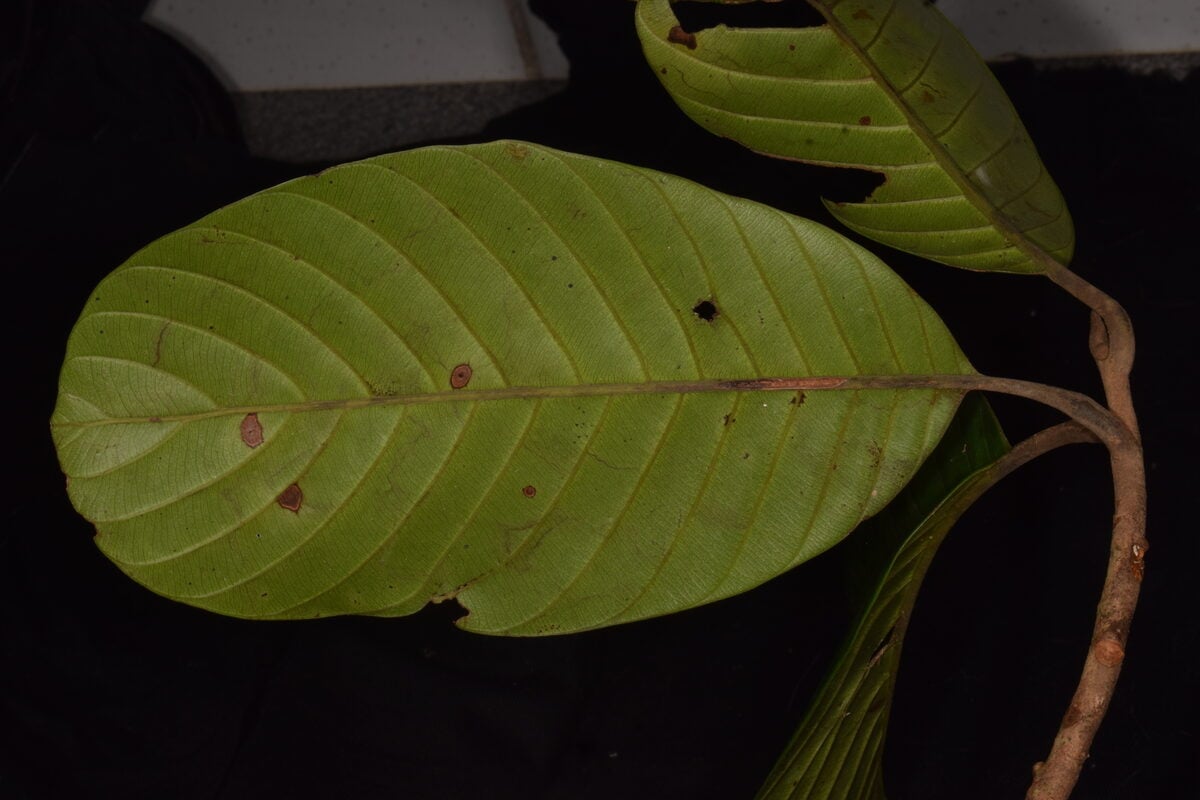
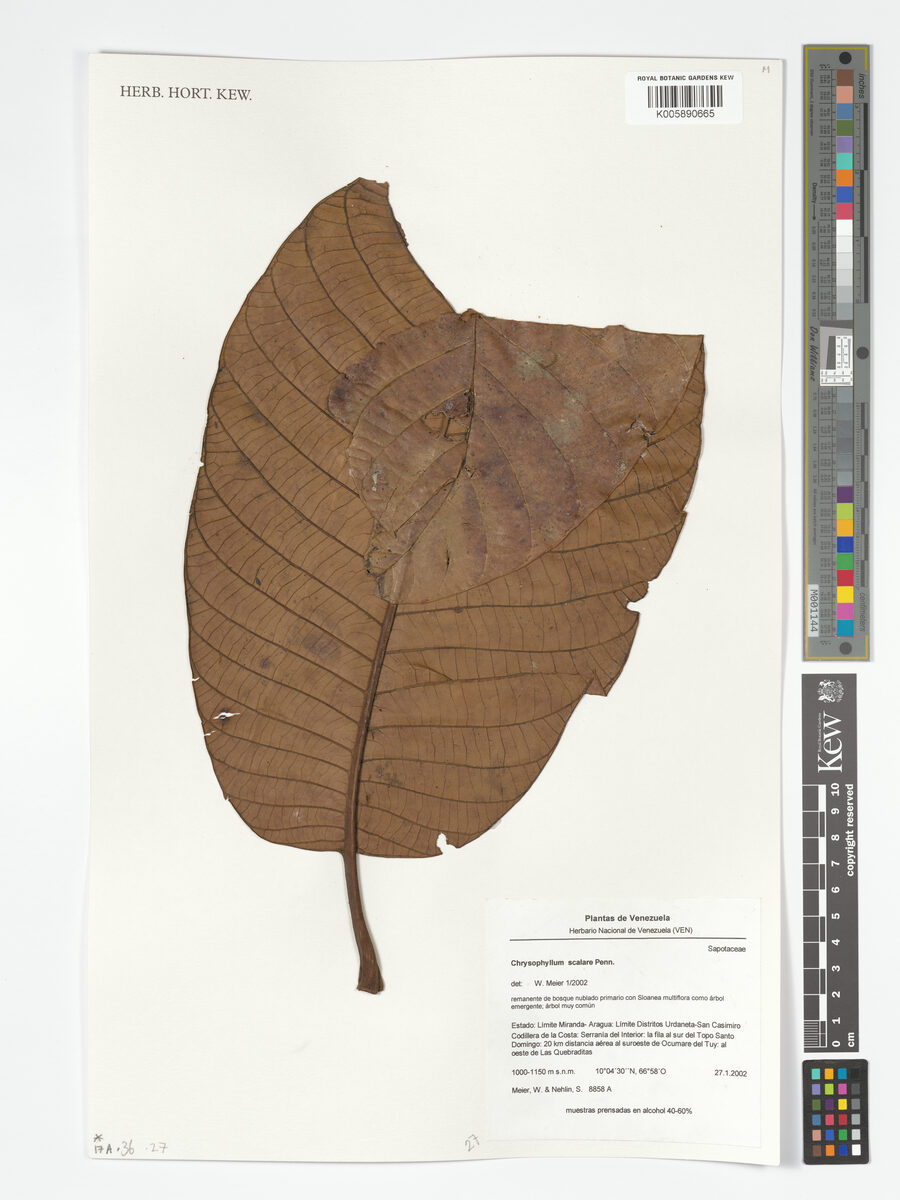
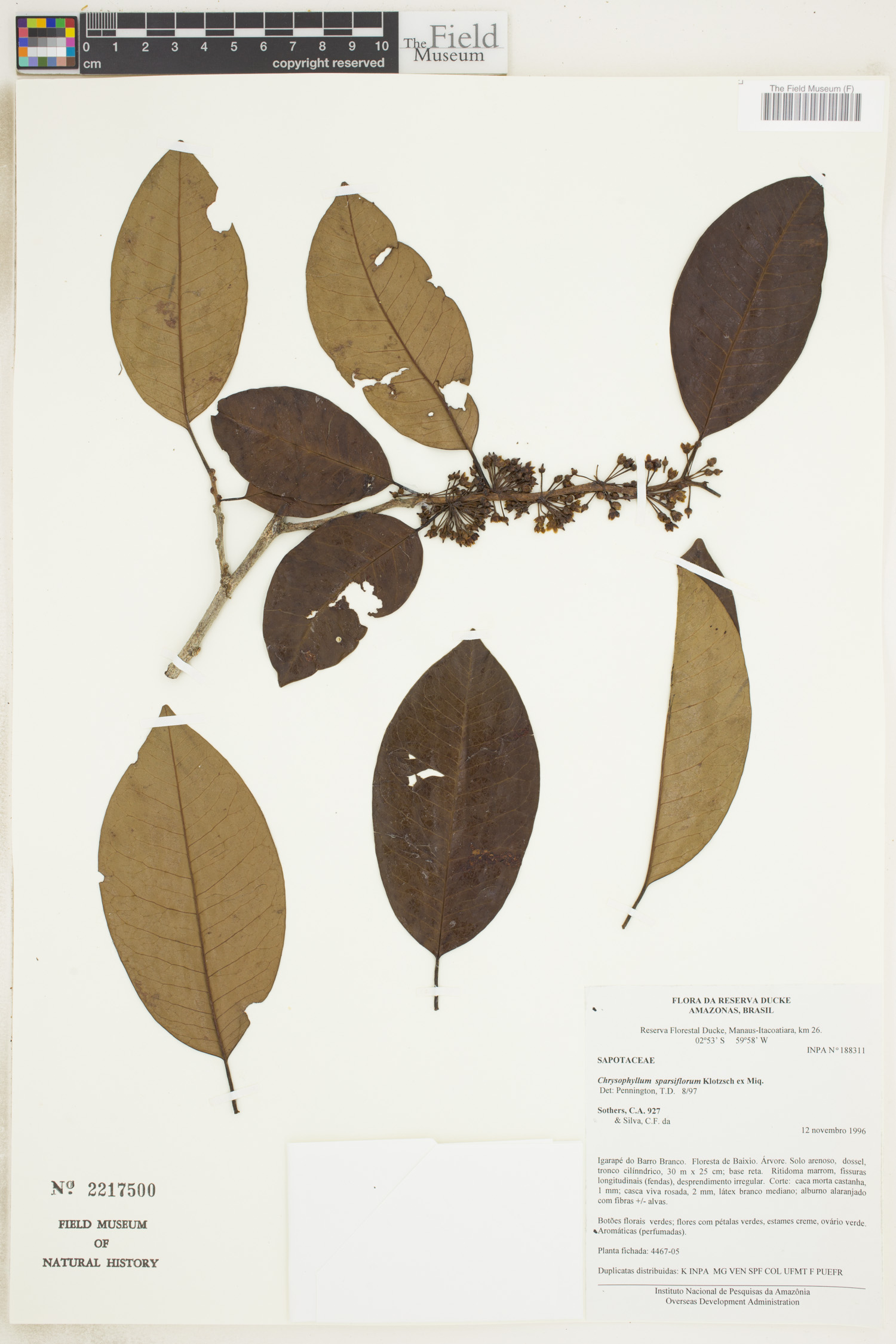
A tree. It grows up to 45 m high. The trunk is 90 cm across. The young branches have short reddish hairs. It does not have spines. The leaves are arranged in spirals. They can also be loosely clustered at the ends of stems. The leaves are 15-26 cm long by 7-11.2 cm wide. They are broadly oblong or sword shaped. There are reddish hairs underneath. There are 12-16 pairs of secondary veins. The leaf stalk is 2-4.5 cm long. The flowers contain both sexes and are in the axils of fallen leaves. There are 5-15 flowers in a group. The flower stalk is 1-1.5 cm long. The fruit are 2-2.5 cm long by 1.7-2 cm wide. They are broadly oval. There is one seed. It is 1.3-1.5 cm long. It has a hard, shiny, smooth coat.
Edible Uses
The tree is tapped as a source of a latex that can be made into gum. Its uses are said to be the same as that obtained from Manilkara zapota, as detailed below:- A milky latex that is obtained from the stems coagulates into chicle, the principal constituent of chewing gum before the advent of synthetic alternatives.
Traditional Uses
Belize, Central America, Guatemala,
This uses section is brief — help expand it
Distribution
A tropical plant. It grows in wet lowland forest. It grows up to 800 m altitude.
Where It Grows
Rainforest, from low to medium elevations. Moist or wet mixed forests, at elevations below 850 metres.
Cultivation
The white flowers are scented.
Other Uses
The tree is tapped as a source of a latex that can be made into gum. Its uses are said to be the same as that obtained from Manilkara zapota, as detailed below:- A milky latex that is obtained from the stems coagulates into chicle, the principal constituent of chewing gum before the advent of synthetic alternatives. The gum is also used in transmission belts, dental surgery, and as a substitute for gutta-percha, a coagulum of the latex of Palaquium spp. Chicle gum is obtained from oblique cuts or slashes made in the trunk of the tree during the rainy months. From these cuts there issues a milky latex which must be coagulated by heat, and formed into solid blocks for export.
Synonyms
Also Known As
Zapote faisan
References (2)
- Kermath, B. M., et al, 2014, Food Plants in the Americas: A survey of the domesticated, cultivated and wild plants used for Human food in North, Central and South America and the Caribbean. On line draft. p 805
- Pennington, T.D., 1990, Sapotaceae in Flora Neotropica Monograph 52. New York Botanical Gardens. p 131