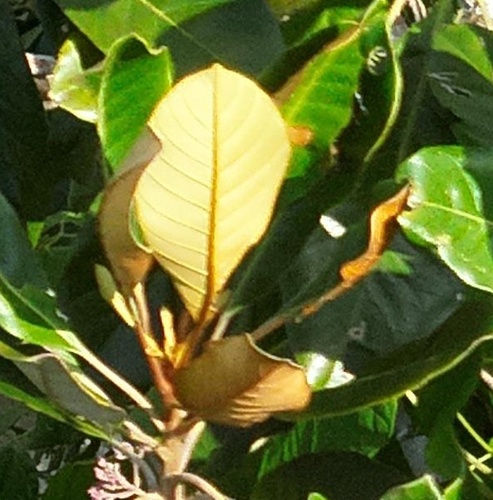
Chrysophyllum cuneifolium
(Rudge) A. de Candolle
Atakamara
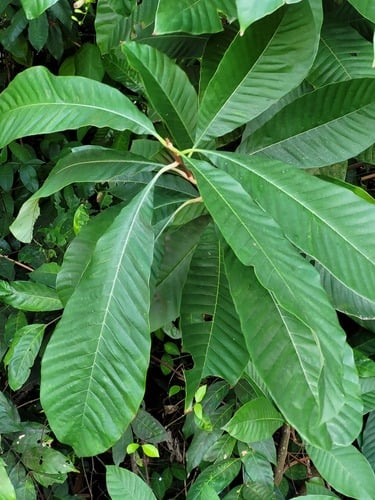
iNaturalist· cc-by-nc
(c) loes roos, some rights reserved (CC BY-NC)
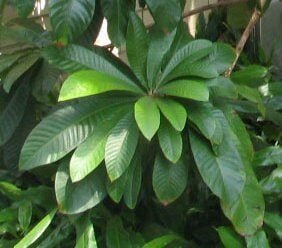
iNaturalist· cc-by-nc
(c) loes roos, some rights reserved (CC BY-NC)
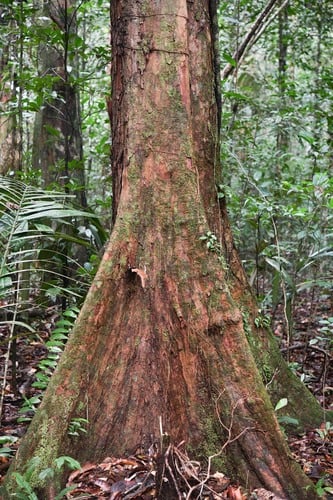
iNaturalist· cc-by-nc
(c) Guillaume Léotard, some rights reserved (CC BY-NC)
Description
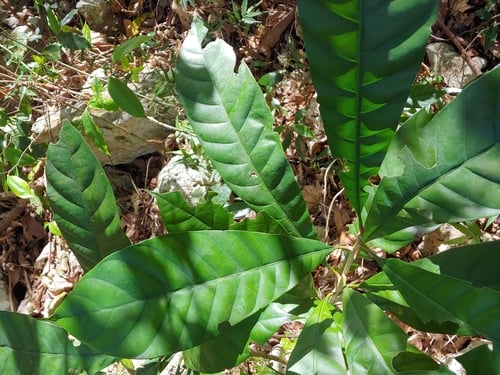
A tree. It grows 20 m tall and the trunk is 30 cm across. The young shoots have coarse hairs. The leaves are clustered at the tips and arranged in spirals. They are 11-22 cm long by 3-7 cm wide. The flowers are in groups on branches and trunks. The flowers are white to yellowish-green. The flowers are yellow to orange. The fruit are narrowly oval and 3-5 cm long by 3-4 cm wide.
Edible Uses
The fruit is edible.
Distribution
A tropical plant. It grows in lowland forest and in savanna and is often along riverbanks.
Where It Grows
Amazon, Brazil, Ecuador, French Guiana, Guianas, Guyana, Peru, South America, Suriname,
Notes
There are about 80-150 Chrysophyllum species. They are mostly in tropical America. There are 44 species in tropical America.
Synonyms
Also Known As
Atakamara, Balata poire, Couata beauly, Kwata bobi, Oulapele, Quata-bobe, Quilapele, Wilapele, Zolive
References (5)
- Grandtner, M. M. & Chevrette, J., 2013, Dictionary of Trees, Volume 2: South America: Nomenclature, Taxonomy and Ecology. Academic Press p 130
- Kermath, B. M., et al, 2014, Food Plants in the Americas: A survey of the domesticated, cultivated and wild plants used for Human food in North, Central and South America and the Caribbean. On line draft. p 224
- Pennington, T.D., 1990, Sapotaceae in Flora Neotropica Monograph 52. New York Botanical Gardens. p 595
- van Roosmalen, M.G.M., 1985, Fruits of the Guianan Flora. Utrecht Univ. & Wageningen Univ. p 410 (As Prieurella cuneifolium)
- Van Roosmalen, M.G.M., & Garcia, O. M., 2000, Fruits of the Amazonian Forest. Part 2: Sapotaceae. Acta Amazonica 30(2): 187-290