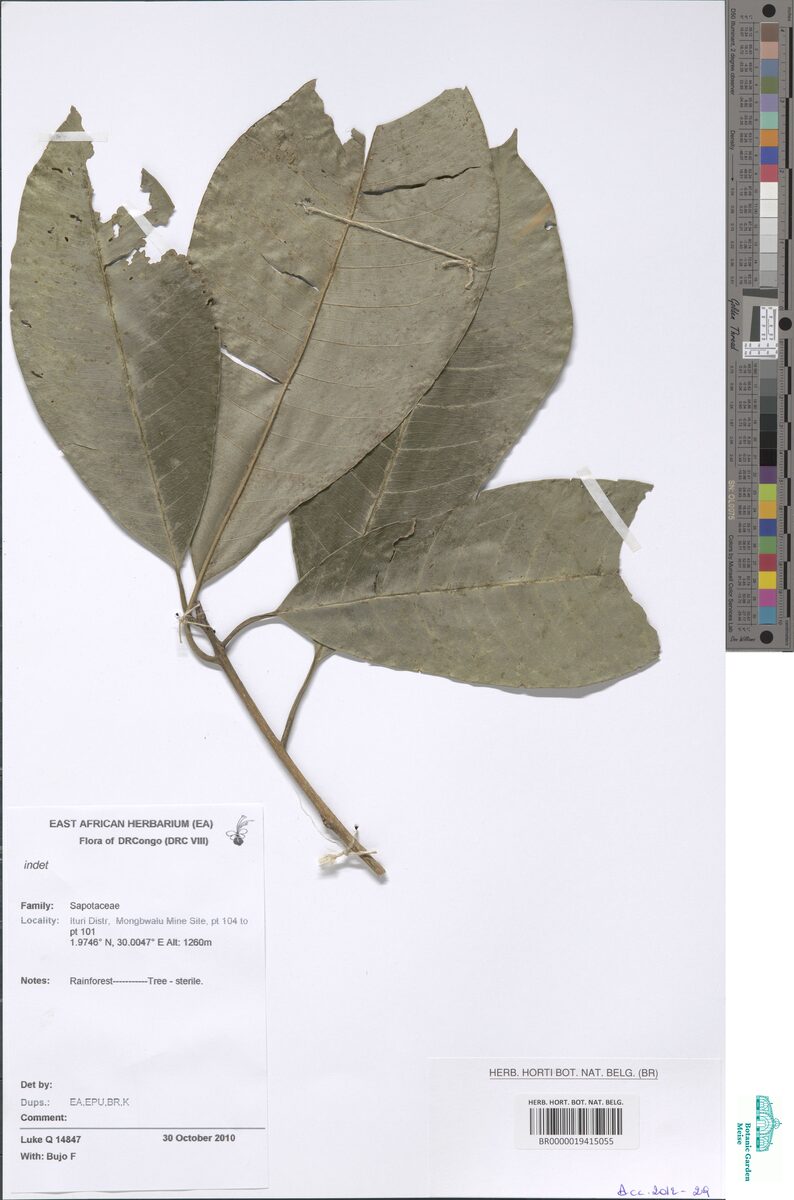
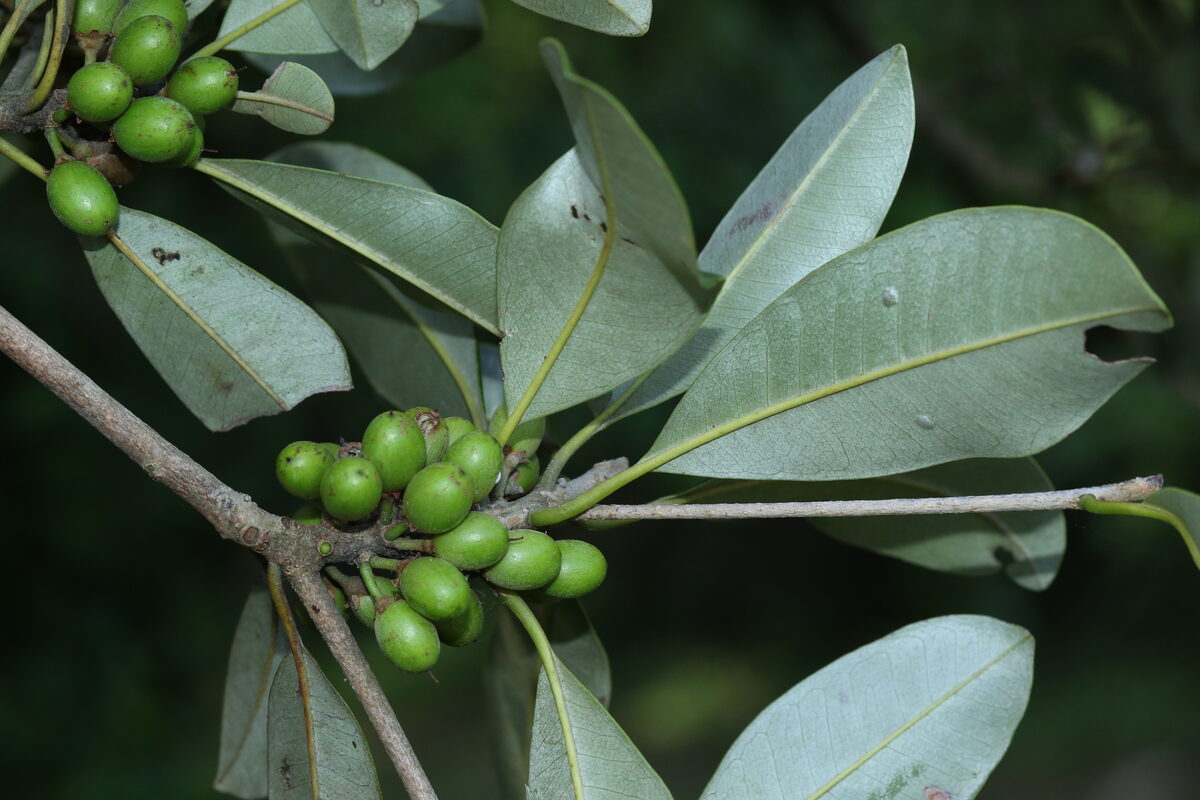
Micropholis obscura
Pennington
Obscure micropholis
iNaturalist· cc-by-nc
(c) Hervé GALLIFFET, some rights reserved (CC BY-NC), uploaded by Hervé GALLIFFET
iNaturalist· cc-by-nc
(c) Hervé GALLIFFET, some rights reserved (CC BY-NC)
Description
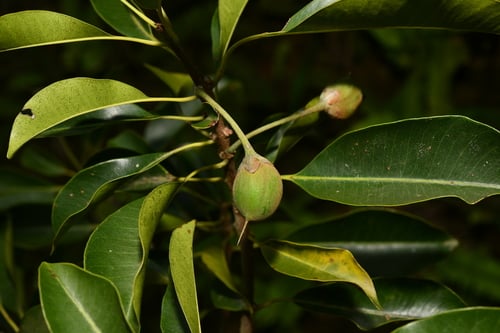
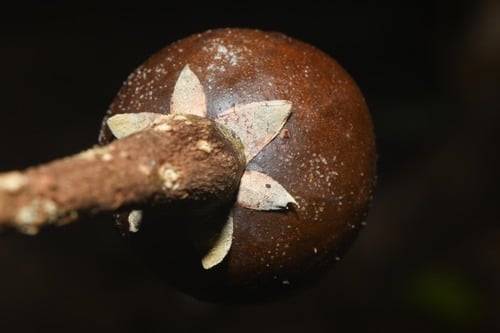
A tree. It grows up to 35 m high. The trunk can be 85 cm across. It has buttresses 1.5 m high. Young shoots have fine hairs. The leaves are spaced and alternate. They are 6.7-13 cm long by 3.5-5.3 cm wide. They are narrowly oval or sword shaped. The flowers have both sexes. They occur in tufts of 5-15 in the axils of leaves. The flowers are greenish-white or pale yellow. They have a scent. The fruit is 2-3 cm long. They are oval. The fruit are yellow. The fruit is edible. There is one seed. It is 1.8 cm long.
Edible Uses
The fruit has sweet pulp and is eaten fresh.
Traditional Uses
The fruit have a sweet pulp.
This uses section is brief — help expand it
Distribution
A tropical plant. It grows in forest which seasonally loses many leaves. It grows between 200-400 m altitude.
Where It Grows
Amazon, Brazil, Colombia, Ecuador, French Guiana, Guyana, Peru, South America, Venezuela,
Also Known As
Abiurana-de-massa, Bakouman, Balata blanc, Quinilla, Ufu, Zolive
References (5)
- Grandtner, M. M. & Chevrette, J., 2013, Dictionary of Trees, Volume 2: South America: Nomenclature, Taxonomy and Ecology. Academic Press p 414
- Kermath, B. M., et al, 2014, Food Plants in the Americas: A survey of the domesticated, cultivated and wild plants used for Human food in North, Central and South America and the Caribbean. On line draft. p 539
- Pennington, T.D., 1990, Sapotaceae in Flora Neotropica Monograph 52. New York Botanical Gardens. p 227
- Smith, N., Mori, S.A., et al, 2004, Flowering Plants of the Neotropics. Princeton. Plate 44 (Photo)
- Van Roosmalen, M.G.M., & Garcia, O. M., 2000, Fruits of the Amazonian Forest. Part 2: Sapotaceae. Acta Amazonica 30(2): 187-290