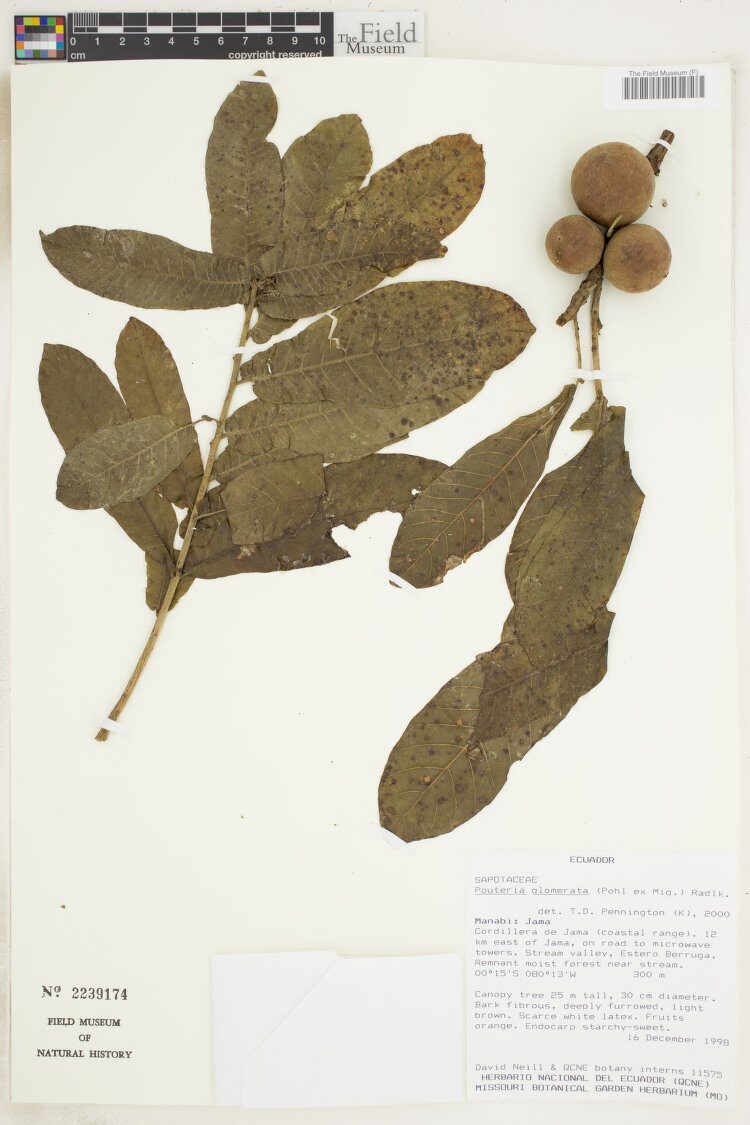
Pouteria hispida
Eyma
Hispid pouteria
gbif· cc-by-nc
C. Dennis : Field Museum of Natural History - Botany Department
gbif· cc-by-nc
N. Dávila
gbif· cc-by-nc
N. Dávila
Description
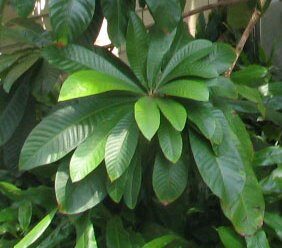
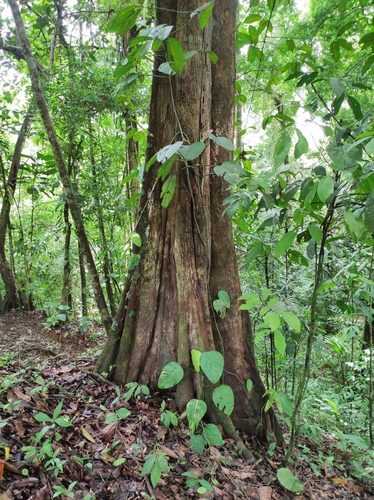
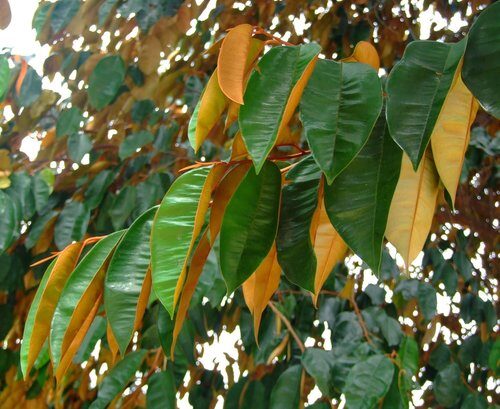
A large tree. It grows 17-36 m tall. The trunk is 1 m across. The trunk is fluted and has buttresses 5 m high. The outer bark is grey and flaky. The young shoots have sharp hairs. The leaves are in clusters and arranged in spirals. They are 6-25 cm long by 3-9 cm wide. They are oval. There are stiff hairs on the midrib underneath. Flowers are in groups of 2-6 and are usually clustered below the leaves. The fruit are small yellow berries. They are 4-8 cm long. There are several seeds.
Edible Uses
The fruit are eaten.
Distribution
A tropical plant. It grows in rainforest and savanna forest. It grows on non flooded land. It grows from sea level to 900 m above sea level.
Where It Grows
Amazon, Bolivia, Brazil, Central America, Colombia, Costa Rica, Ecuador, French Guiana, Guianas, Guyana, Panama, Peru, South America, Suriname, Venezuela,
Other Information
It is cultivated.
Notes
There are about 150-320 Pouteria species. They grow in the tropics.
Synonyms
Also Known As
Abuirana, Abuirana braba, Abuirana braba, Asipoko, Atakamaraballi, Aviyu, Black asepoko, Caimito negro, Curriola peluda, Dadarue, Dayahuetoa, Kamahora, Naso toa, Tuwonure, Yawaxihi
References (12)
- Grandtner, M. M., 2008, World Dictionary of Trees. Wood and Forest Science Department. Laval University, Quebec, Qc Canada. (Internet database http://www.wdt.qc.ca)
- Grandtner, M. M. & Chevrette, J., 2013, Dictionary of Trees, Volume 2: South America: Nomenclature, Taxonomy and Ecology. Academic Press p 526
- Kermath, B. M., et al, 2014, Food Plants in the Americas: A survey of the domesticated, cultivated and wild plants used for Human food in North, Central and South America and the Caribbean. On line draft. p 691
- Lopez-Diago, D. & Garcia, N., 2021, Wild edible fruits of Colombia. Biota ColomBiana 22 (2) p 51
- Pennington, T.D., 1990, Sapotaceae in Flora Neotropica Monograph 52. New York Botanical Gardens. p 488
Show all 12 references Hide references
- Roa, J. A. G. & Boada, D. S. G., 2018, Fundación para el Fortalecimiento de la Fruticultura y Plantas Alimenticias no Convencionales en Colombia.
- Torre, de la, L., et al, 2008, Enciclopedia de las Plantas Útiles del Ecuador. Herbario QCA. Pontificia Universidad Católica del Ecuador. p 572
- van Andel, T., 2000, Useful plants of Guyana. Non-timber forest products of the North-West District of Guyana. Part 2. A Field Guide. Tropenbos-Guyana Programme. p 306
- van Roosmalen, M.G.M., 1985, Fruits of the Guianan Flora. Utrecht Univ. & Wageningen Univ. p 410
- Van Roosmalen, M.G.M., & Garcia, O. M., 2000, Fruits of the Amazonian Forest. Part 2: Sapotaceae. Acta Amazonica 30(2): 187-290
- www.colecionandofrutas.org
- www.proyanomami.org