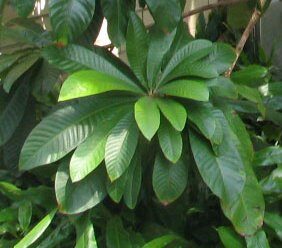
Pouteria torta subsp. glabra
(Martius) Radlkofer, Pennington
Broad-leaved asipokoballi
iNaturalist· cc-by-nc
(c) Luiz Alberto Santos, some rights reserved (CC BY-NC), uploaded by Luiz Alberto Santos
iNaturalist· cc-by-nc
(c) Laurent Quéno, some rights reserved (CC BY-NC), uploaded by Laurent Quéno
Summary
Source: WikipediaPouteria torta is a species of tree native to Central and South America. It is found largely in the Brazilian cerrado and is commonly called guapeva and grão-de-galo.
Description
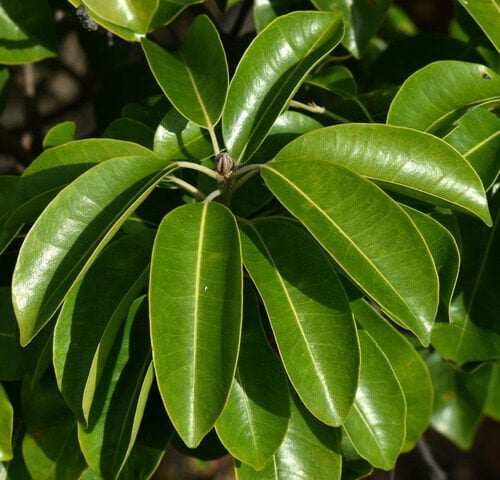
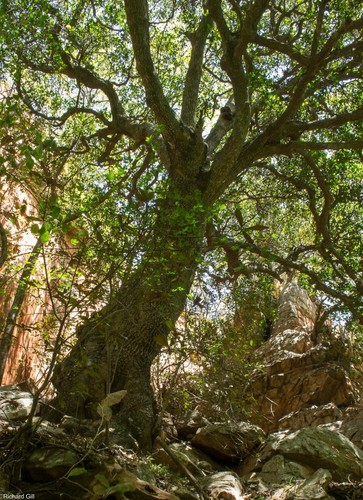
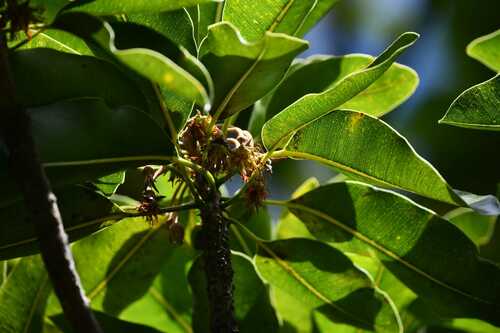
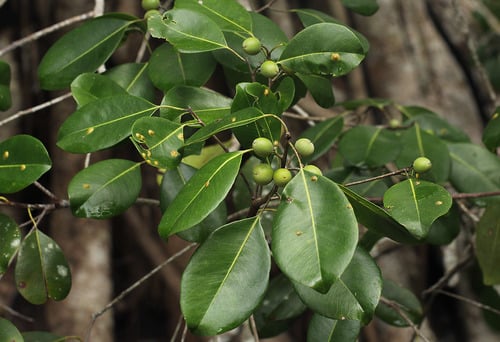
A tree. It grows 32 m tall and the trunk is 50 cm across. It has buttresses 4 m tall. The leaves are 20-45 cm long. There are 17-39 pairs of secondary veins. The lower surface of the leaves is smooth. The fruit is smooth and 3-5 cm long.
Edible Uses
The fruit pulp is sweet and edible.
Traditional Uses
The fruit pulp is sweet.
This uses section is brief — help expand it
Distribution
A tropical plant. It grows in lowland forest on land that may or may not be flooded. It grows from sea level to 1,000 m above sea level.
Where It Grows
Amazon, Andes, Bolivia, Brazil, Colombia, Ecuador, French Guiana, Guyana, Peru, South America, Venezuela,
Notes
There are about 150-320 Pouteria species. They grow in the tropics.
Synonyms
Also Known As
Abiurana, Asipoko, Coquirana-do-igapo, Guapeva, Tchutch bem pum
References (7)
- Daly, D. C., An Index of Common Names of Plants in Acre, Brazil. New York Botanical Garden Universidade Federal do Acre.
- Grandtner, M. M. & Chevrette, J., 2013, Dictionary of Trees, Volume 2: South America: Nomenclature, Taxonomy and Ecology. Academic Press p 530
- Kermath, B. M., et al, 2014, Food Plants in the Americas: A survey of the domesticated, cultivated and wild plants used for Human food in North, Central and South America and the Caribbean. On line draft. p 698
- NYBG herbarium "edible"
- Pennington, T.D., 1990, Sapotaceae in Flora Neotropica Monograph 52. New York Botanical Gardens. p 484
Show all 7 references Hide references
- Peres, M. K., 2011, Diasporos do Cerrado Atrativos para Fauna: Chave Interativa Caracterizacao Visual e Relacoes Ecologicas. Masters thesis. Universidade de Brasilia.
- Van Roosmalen, M.G.M., & Garcia, O. M., 2000, Fruits of the Amazonian Forest. Part 2: Sapotaceae. Acta Amazonica 30(2): 187-290