Sideroxylon palmeri
(Rose) T. D. Pennington
Bebelama
iNaturalist· cc-by
(c) Neptalí Ramírez Marcial, some rights reserved (CC BY), uploaded by Neptalí Ramírez Marcial
iNaturalist· cc-by-nc
(c) conabio-pj010, some rights reserved (CC BY-NC)
iNaturalist· cc-by-nc
(c) conabio-pj010, some rights reserved (CC BY-NC)
Description
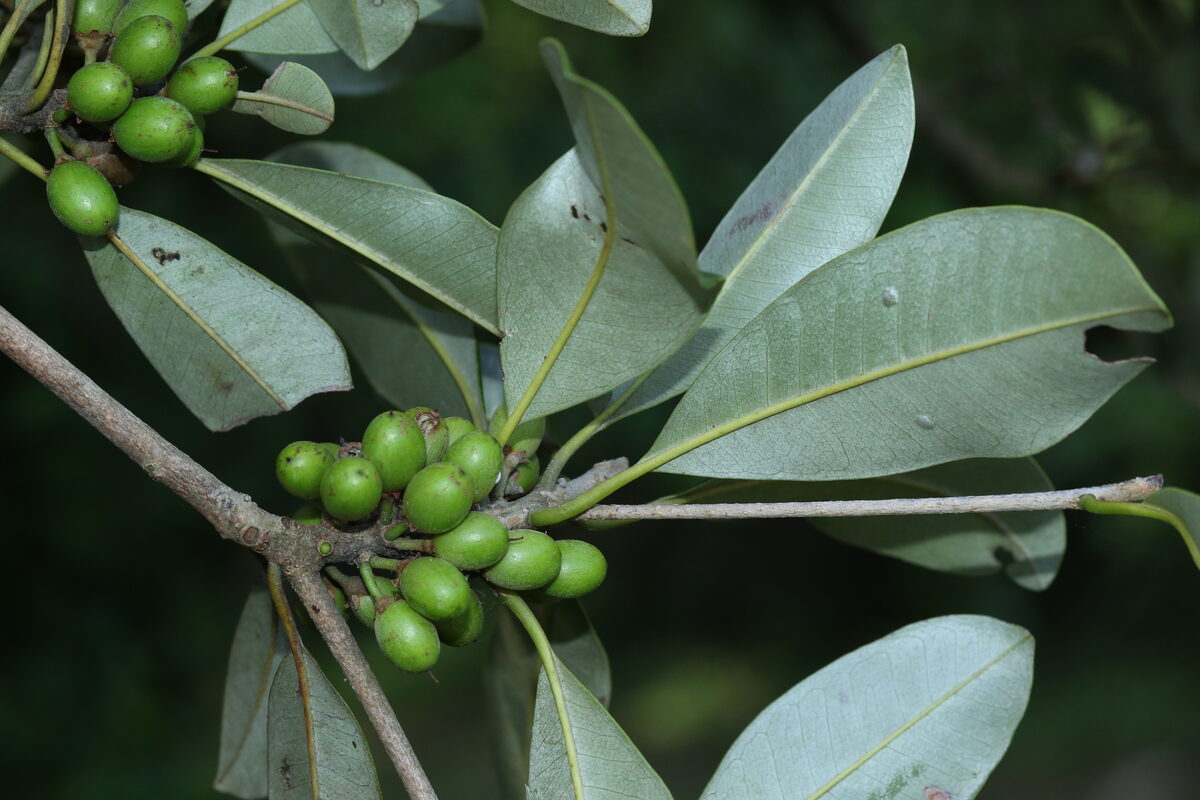
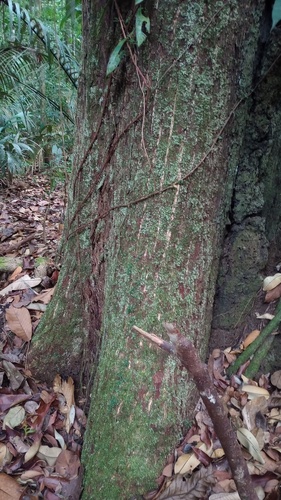
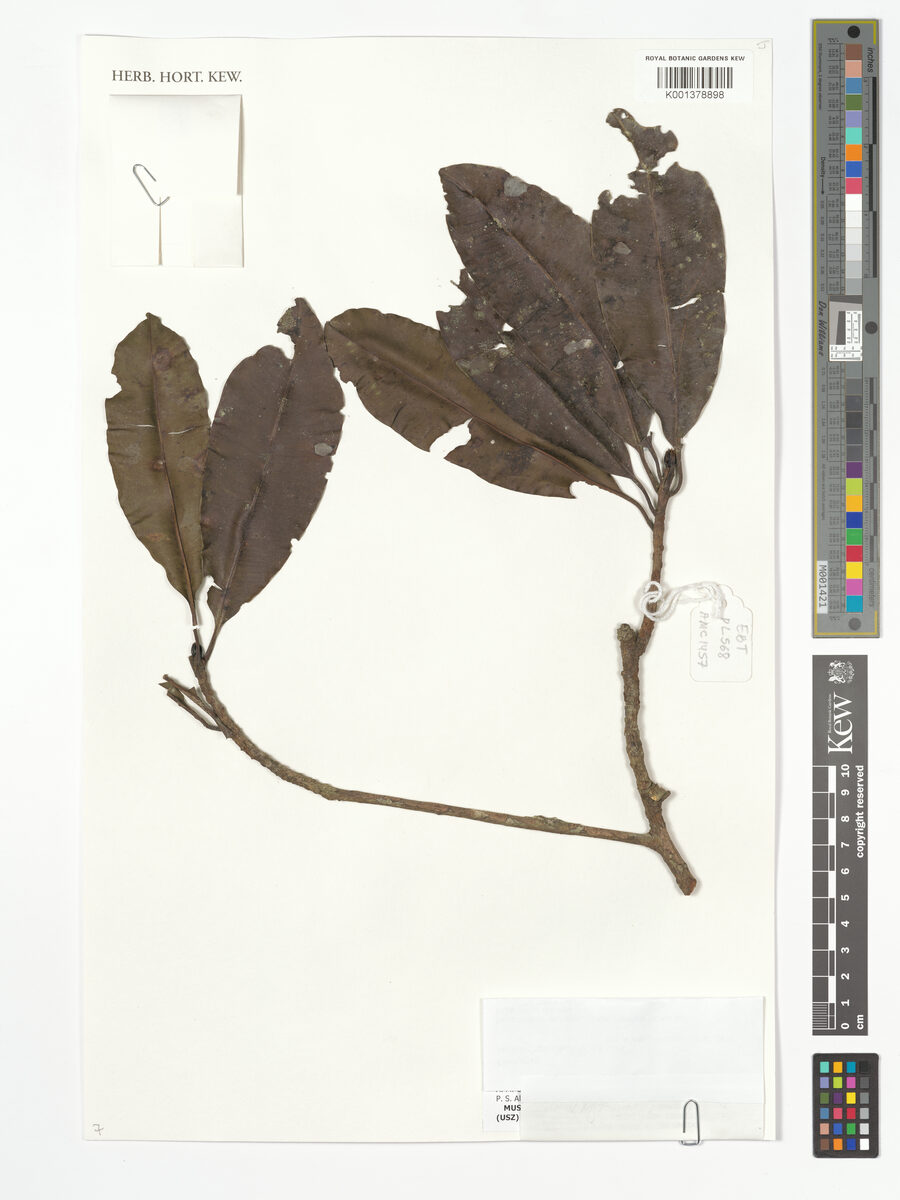
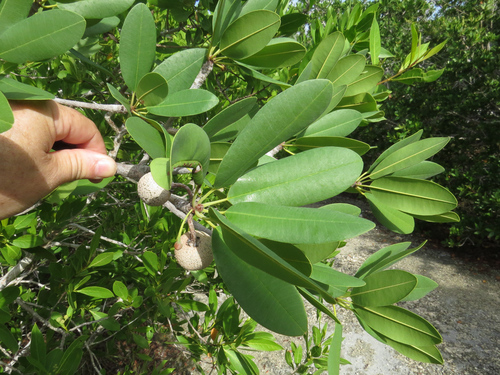
A spreading tree. The crown is dense. It grows 15-25 m high. The young branches often have spines. The leaf stalks are slender. The leaves are arranged in spirals, and not clustered. They are 5.8-12 cm long by 3.5-5.6 cm wide. The flowers contain both sexes. They occur in the axils of leaves. There are 5-20 flowers in a group on branches coming from a common point. The flowers are white and have a smell. The fruit are 1.5-2 cm long and rounded. The fruit are purplish-black when ripe. The seeds are brown and shiny.
Edible Uses
The ripe fruit are eaten fresh or dried, and can be cooked using various methods. Young fruit are pickled.
Traditional Uses
The ripe fruit are eaten fresh or dried. The fruit are also cooked and eaten using a range of different methods. The fruit are also cooked and eaten using a range of different methods. The young fruit are pickled.
Medicinal Uses
A decoction of the leaves is dropped into the ears and nostrils to allay pain. A decoction of the leaves is used as a painkiller, and particularly to help relieve toothache. The leaves are heated and applied to the teeth for the same purpose, as well as to harden the gums.
Distribution
A tropical plant. It grows in dry forest. It grows from sea level to 1600 m altitude.
Where It Grows
Central America, Mexico*, North America,
Cultivation
The white flowers are fragrant.
Production
Plants take 5 years before fruiting.
Synonyms
Also Known As
Bebelama, Caipoqui liso, Capulin prieto, Coma, Coma real, Cupia, Tempesquistle, Tempixquistle
References (12)
- Arellanes, Y., et al, 2013, Influence of traditional markets on plant management in the Tehuacan Valley. Journal of Ethnobiology and Ethnomedicine 9:38
- Bircher, A. G. & Bircher, W. H., 2000, Encyclopedia of Fruit Trees and Edible Flowering Plants in Egypt and the Subtropics. AUC Press. p 68 (As Bumelia laetevirens)
- Casas, A., et al, 2016, Evolutionary Ethnobotanical Studies of Incipient Domestication of Plants in Mesoamerica. In Lira, R., et al, (eds.) Ethnobotany of Mexico, Ethnobiology. Springer p 258
- Cruz, I. M., et al, 2015, Edible fruits and seeds in the State of Mexico. Revista Mexicana de Ciencias Agricolas. Vol. 6. Num. 2 pp 331-346
- Fl. neotrop. 52:104. 1999
Show all 12 references Hide references
- Gonzalez-Insuasti, M. S. and Caballero, J., 2007, Managing Plants Resources: How Intensive Can it be? Human Ecology, 35:303-314
- Gonzalez-Insuasti, M. S., et al, 2011, Intra-cultural Differences in the Importance of Plant Resources and Their Impact on Management Intensificaton in the Tehuacan Vallet, Mexico. Human Ecology 39:191-202
- Kermath, B. M., et al, 2014, Food Plants in the Americas: A survey of the domesticated, cultivated and wild plants used for Human food in North, Central and South America and the Caribbean. On line draft. p 804
- Pennington, T.D., 1990, Sapotaceae in Flora Neotropica Monograph 52. New York Botanical Gardens. p 104
- Piedra-Malagón, E. M., et al, 2022, Edible native plants of the Gulf of Mexico Province. Biodiversity Data Journal 10: e80565 p 29
- Segura, S., et al, 2018, The edible fruit species in Mexico. Genet Resour Crop Evol (2018) 65:1767–1793
- Whitaker, T. W. & Cutler, H. C., 1966, Food Plants in a Mexican Market. Economic Botany, Vol 20, No. 1. pp 6-16 (As Bumelia laetevirens)