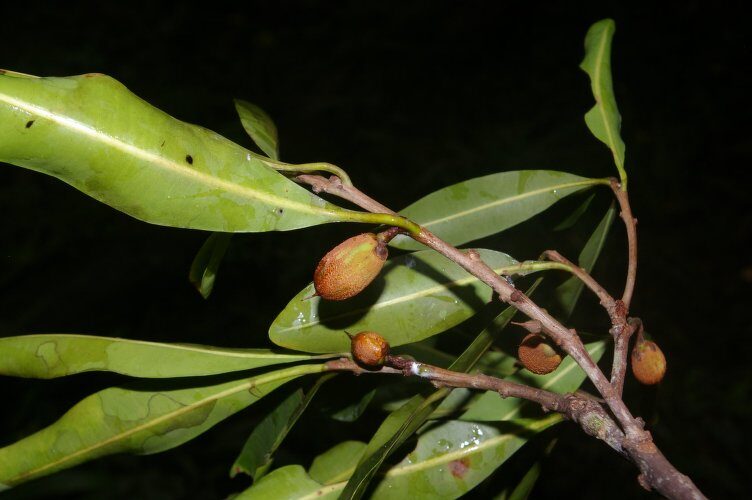
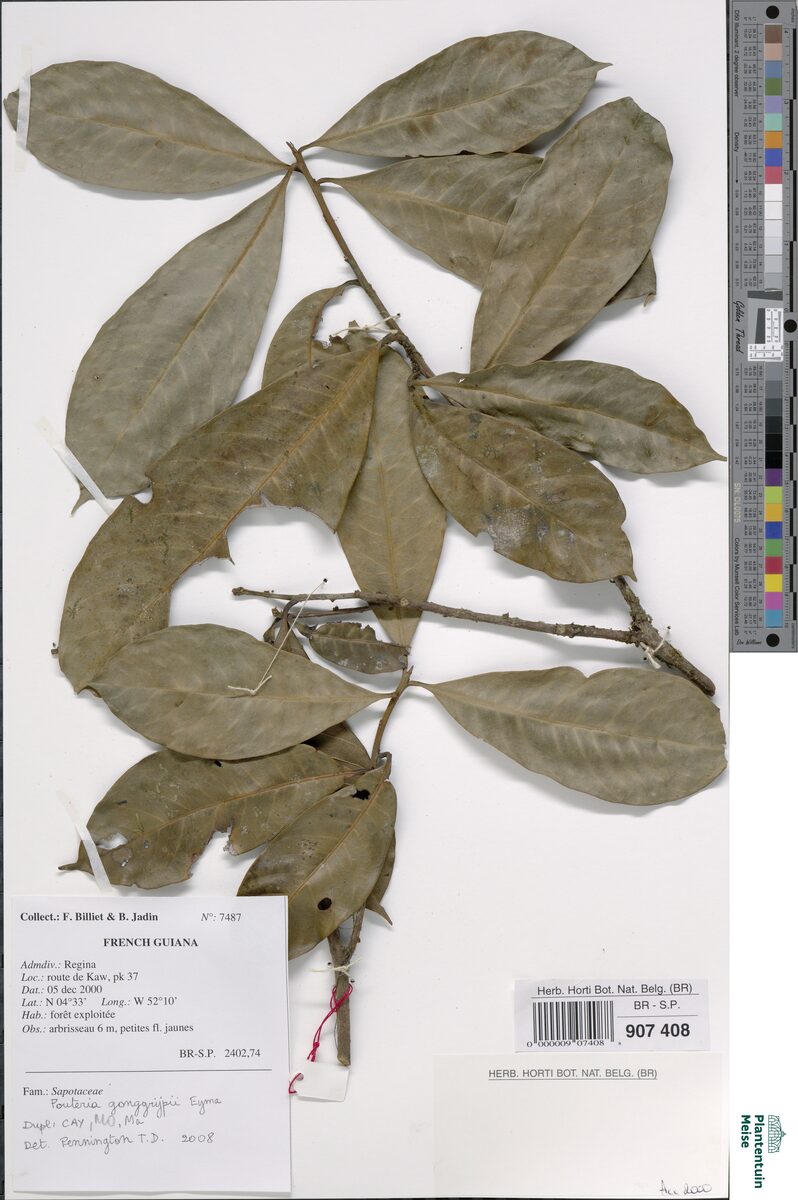
Pouteria surumuensis
Baehni
Surumu pouteria
gbif· cc-by-nc
Field Museum of Natural History - Botany Department | GDI 2013-2015
gbif· cc-by-nc
Rapid Reference Collection (RRC) | Field Museum of Natural History - Keller Science Action Center
gbif· cc-by-nc
Field Museum of Natural History - Botany Department | GDI 2013-2015
Description
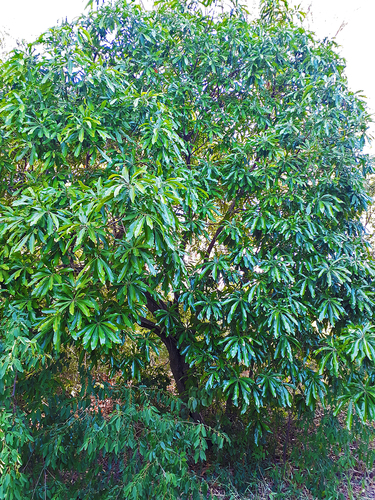
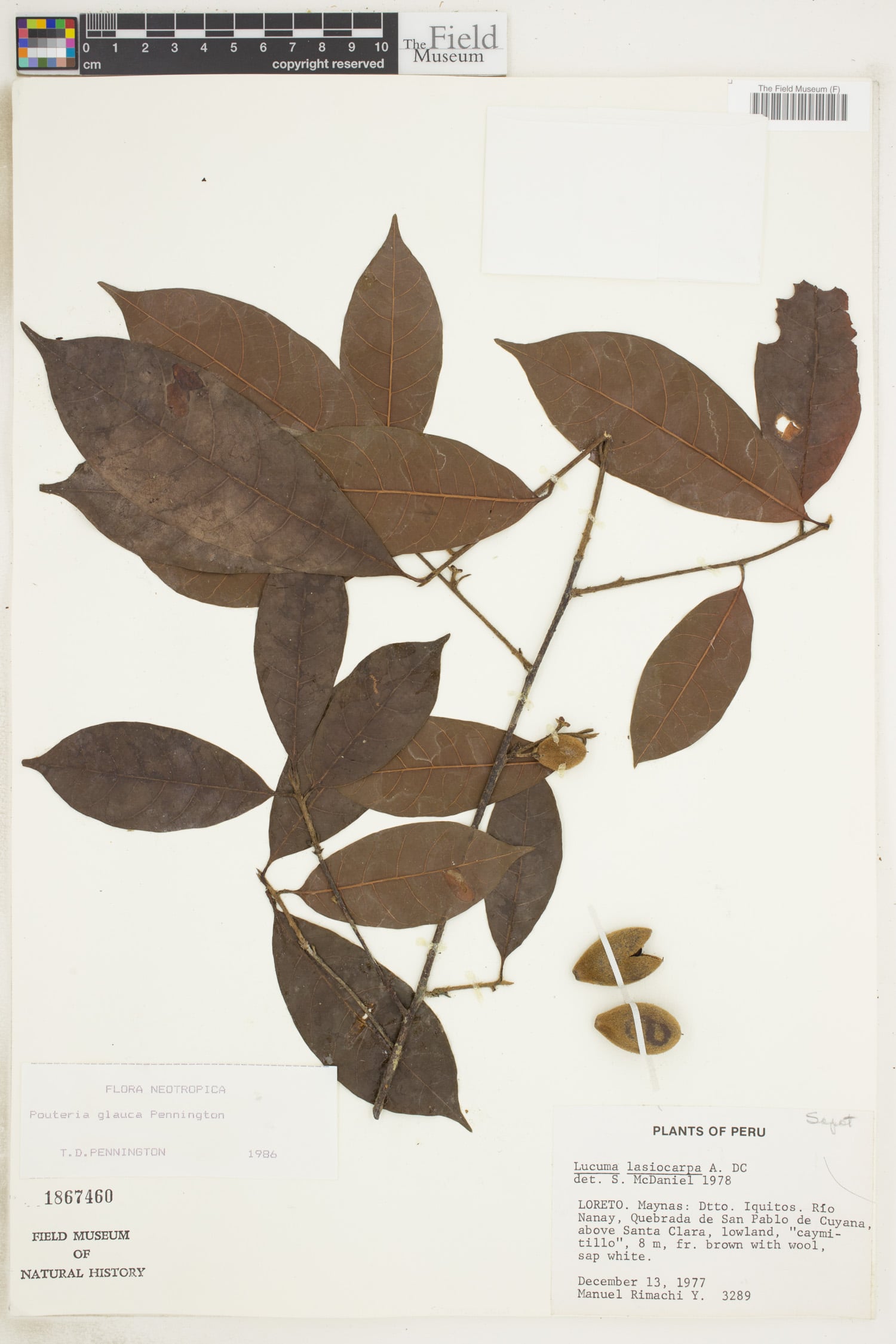
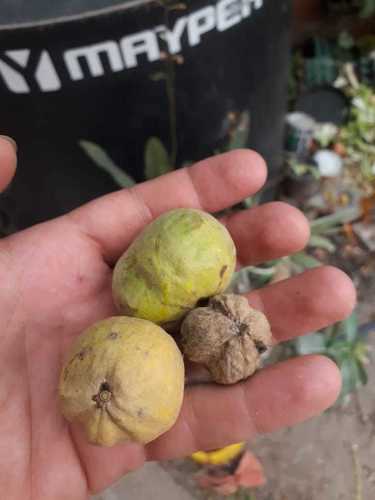
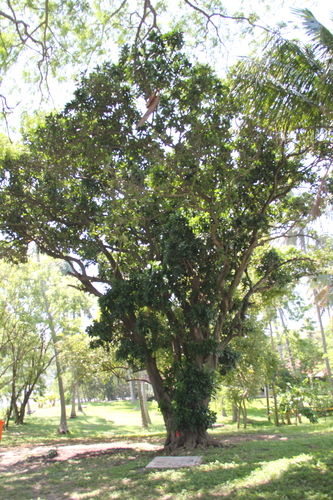
A tree. It grows 30 m high. The trunk can be 35 cm across. The young shoots have fine hairs. The leaves are in loose clusters and arranged in spirals. The leaves are 15-30 cm long by 6-12 cm wide. The leaves are golden brown underneath. There are 14-24 pairs of side veins. The flowers are in groups of 2-4. The fruit are 5-6 cm long and broadly oval or pear shaped. Ripe fruit are golden brown. There is one seed.
Edible Uses
The fruit is eaten.
Distribution
A tropical plant. It grows in mixed forest on non flooded land. It grows between 100-500 m altitude in the Amazon.
Where It Grows
Amazon, Bolivia, Brazil, Colombia, Guyana, South America, Venezuela,
Production
Trees flower June to October and fruit are ripe January to June.
Notes
There are about 150-320 Pouteria species. They grow in the tropics.
Synonyms
Also Known As
Bakupar, Cucutiriba, Cucutiba, Goiti, Makararo
References (3)
- Grandtner, M. M. & Chevrette, J., 2013, Dictionary of Trees, Volume 2: South America: Nomenclature, Taxonomy and Ecology. Academic Press p 530
- Kermath, B. M., et al, 2014, Food Plants in the Americas: A survey of the domesticated, cultivated and wild plants used for Human food in North, Central and South America and the Caribbean. On line draft. p 697
- Pennington, T.D., 1990, Sapotaceae in Flora Neotropica Monograph 52. New York Botanical Gardens. p 387