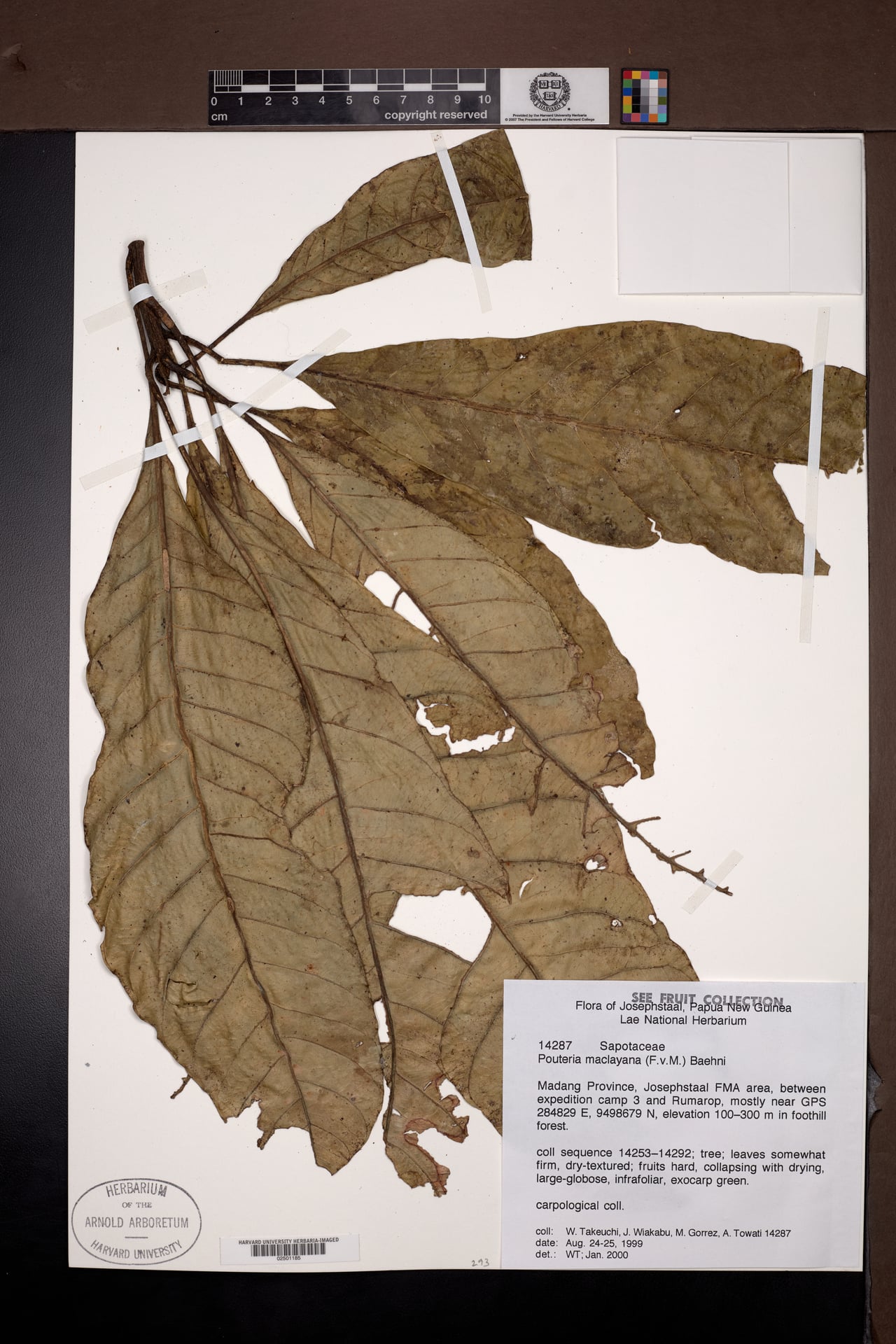
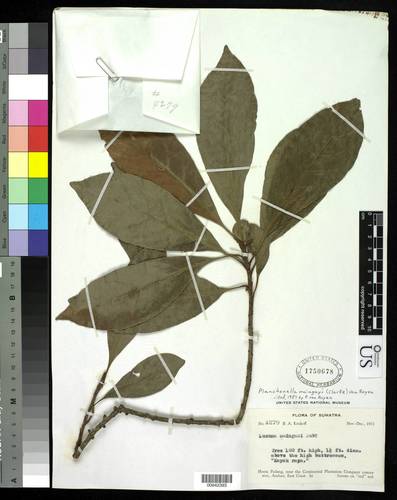
Synsepalum cerasiferum
(Welw.) T. D. Pennington
iNaturalist· cc-by-nc-sa
(c) TanzaniaPlantCollaboration, some rights reserved (CC BY-NC-SA)
Description
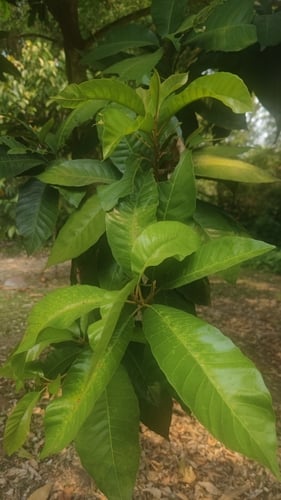
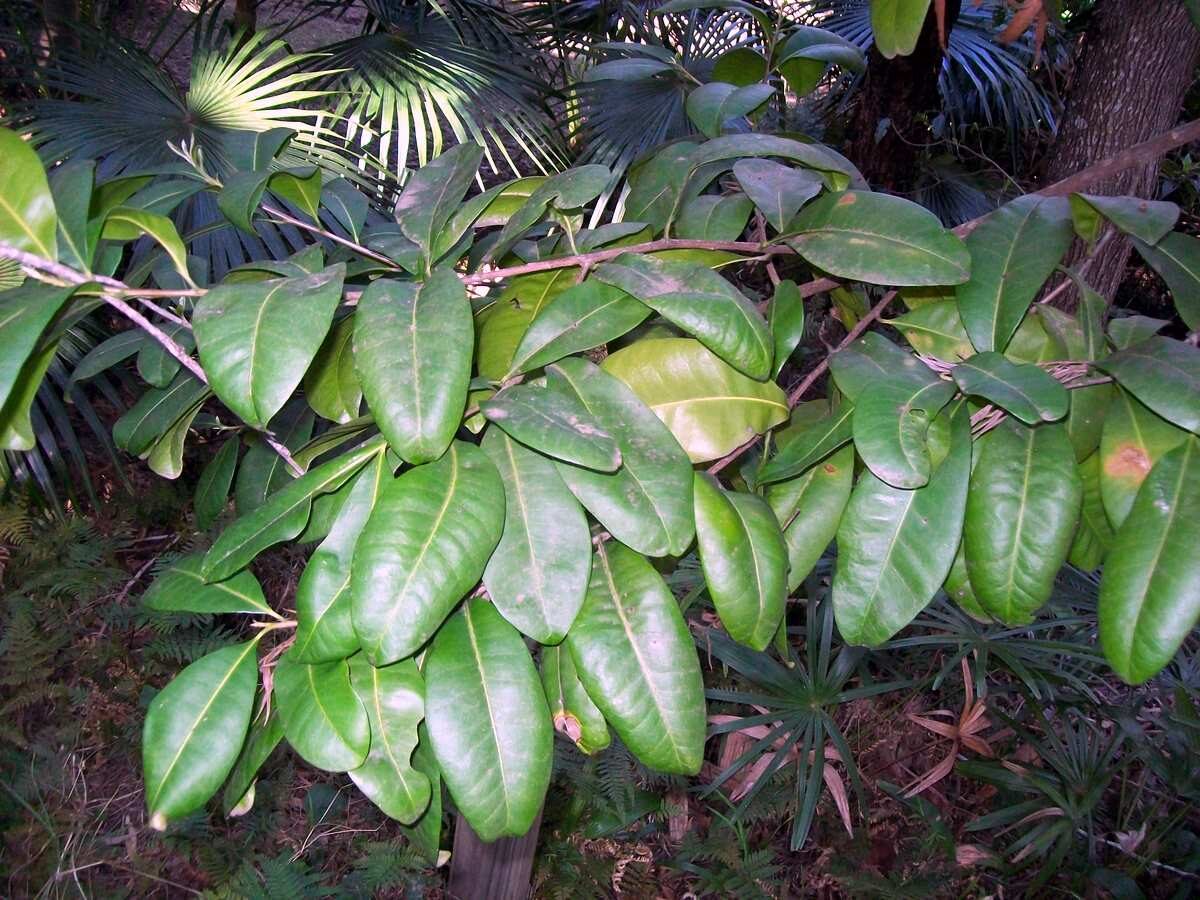
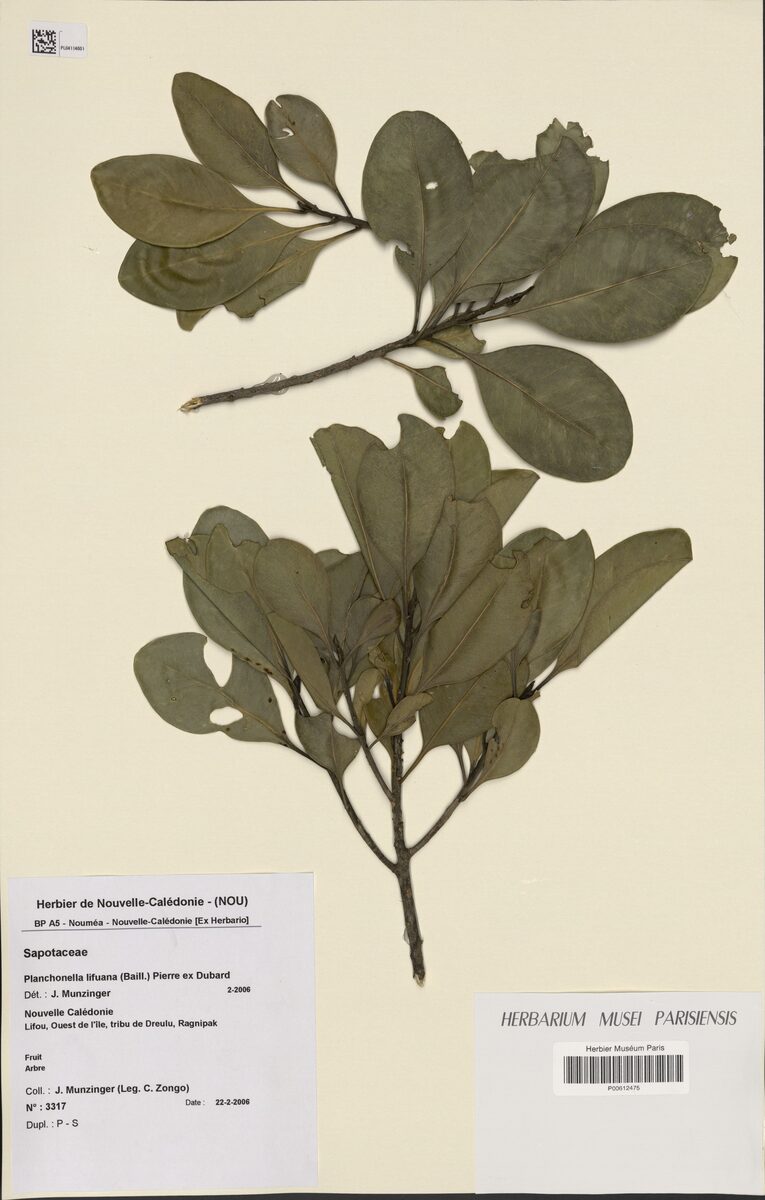
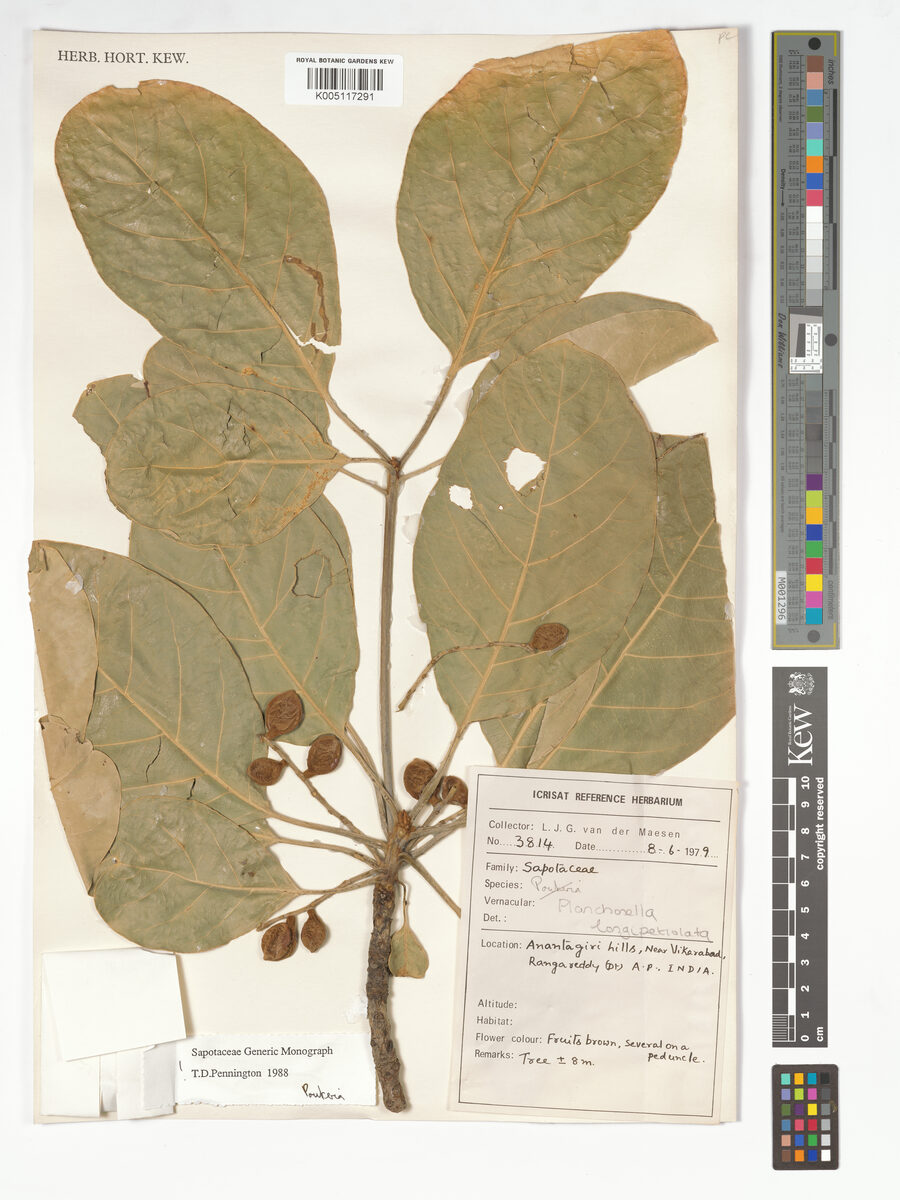
A medium to tall tree. The crown is spreading. It grows 40 m high. The trunk is straight and 70 cm across. The leaves are dark green with paler green midribs. They are oval to sword shaped and 6-17 cm long by 5-6 cm wide. The fruit are oval red berries. They are 2.5 cm long and 2 cm wide. They are edible. There is a seed 2 cm long and 1.5 cm wide.
Edible Uses
The ripe fruit are eaten fresh as a snack, particularly by children, or can be soaked in water, squeezed, filtered, sweetened with sugar, and consumed as a juice.
Traditional Uses
The ripe fruit are eaten as a snack. The ripe fruit are also soaked in water, squeezed and filtered and sugar added then the juice is drunk.
This uses section is brief — help expand it
Medicinal Uses
A latex obtained from the plant is used to treat wounds.
Distribution
It is a tropical plant. It grows in the lowlands and the highlands. It grows in evergreen mountain forest in West Africa. In Nigeria it has been recorded at 750-1,550 m above sea level.
Where It Grows
Africa, Angola, Benin, Cameroon, Central Africa, Central African Republic, CAR, Congo, Côte d'Ivoire, East Africa, Ghana, Guinea, Guinée, Ivory Coast, Kenya, Liberia, Malawi, Mozambique, Nigeria, Sierra Leone, Southern Africa, Sudan, Tanzania, Togo, West Africa, Zambia,
Other Uses
The wood is very hard. It is used to make domestic utensils. The wood is used for fuel and to make charcoal.
Other Information
The fruit are especially eaten by children.
Synonyms
Also Known As
Bar, Chien, Goro badi, Iara, Mkumbulu, Msambia, Muohoyo, Musuamankima, Nsuama nkima, Ntwomboun
References (19)
- Burkill, H. M., 1985, The useful plants of west tropical Africa, Vol. 5. Kew.
- Chapman, J. D. & Chapman, H. M., 2001, The Forest Flora of Taraba and Andamawa States, Nigeria. WWF & University of Canterbury. p 203
- East African Herbarium records, 1981, (Afrosersalisia cerasifera)
- Hemsley, J. H., 1968, Flora of Tropical East Africa.
- http://www.fao.org/forestry/25323-096344a3de335832e8f363c3ac5184a66.pdf
Show all 19 references Hide references
- Jardin, C., 1970, List of Foods Used In Africa, FAO Nutrition Information Document Series No 2.p 118 (Afrosersalisia cerasifera)
- JSTOR Global Plants edible
- Keay, R.W.J., 1989, Trees of Nigeria. Clarendon Press, Oxford. p 399 (Afrosersalisia cerasifera)
- Kupicha, F. K., 1983, Flora of West Tropical Africa. Vol. 7 Part 1 p 210
- Lovett, J. C. et al, Field Guide to the Moist Forest Trees of Tanzania. p 167
- Malaisse, F., 1997, Se nourrir en floret claire africaine. Approche ecologique et nutritionnelle. CTA., p 57 (As Afrosersalisia cerasifera)
- Malaisse, F., 2010, How to live and survive in Zambezian open forest (Miombo Ecoregion). Les Presses Agronomiques de Gembloux. (As Afrosersalisia cerasifera)
- Mutie, F. M., et al, 2023, Important Medicinal and Food Taxa (Orders and Families) in Kenya, Based on Three Quantitative Approaches. Plants 2023, 12, 1145
- Peters, C. R., O'Brien, E. M., and Drummond, R.B., 1992, Edible Wild plants of Sub-saharan Africa. Kew. p 181 (Afrosersalisia cerasifera)
- Ruffo, C. K., Birnie, A. & Tengnas, B., 2002, Edible Wild Plants of Tanzania. RELMA p 646
- Vivien, J. & Faure, J.J., 1985, Abres des forets dense d'Afrique Centrale. Agence de Cooperation Culturelle et Technique. Paris. p 410 (Afrosersalisia cerasifera)
- Vivien, J., & Faure, J.J., 1996, Fruitiers Sauvages d'Afrique. Especes du Cameroun. CTA p 313 (Afrosersalisia cerasifera)
- White, F., Dowsett-Lemaire, F. and Chapman, J. D., 2001, Evergreen Forest Flora of Malawi. Kew. p 547
- World Checklist of Useful Plant Species 2020. Royal Botanic Gardens, Kew