Sideroxylon capiri subsp. tempisque
(Pittier) T. D. Pennington
Mastic, Sapotilla, Tempisque
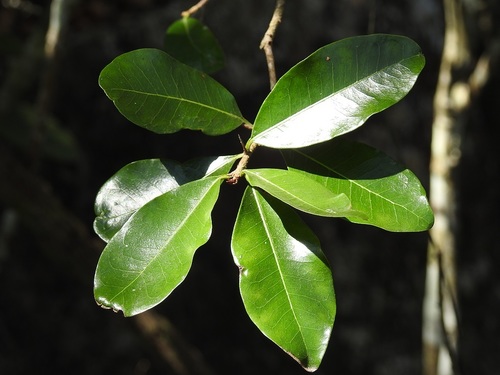
iNaturalist· cc-by-nc-sa
(c) Sunashi Elizabeth Vázquez Arceo, some rights reserved (CC BY-NC-SA), uploaded by Sunashi Elizabeth Vázquez Arceo
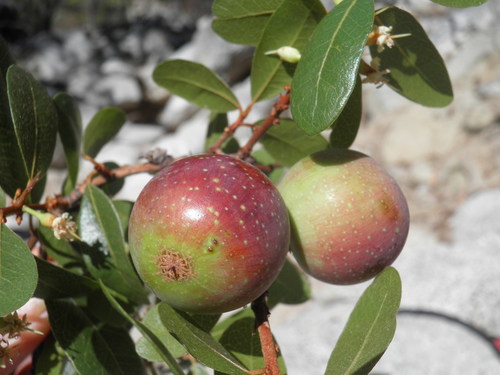
iNaturalist· cc-by-nc
(c) Gualberto Perez, some rights reserved (CC BY-NC), uploaded by Gualberto Perez
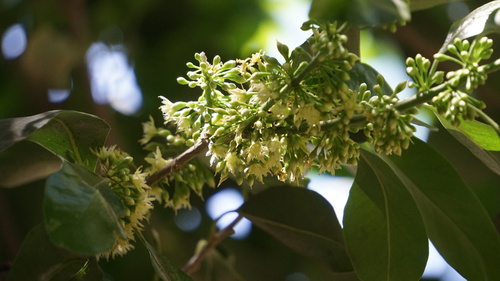
iNaturalist· cc-by-nc
(c) nasua, some rights reserved (CC BY-NC), uploaded by nasua
Description
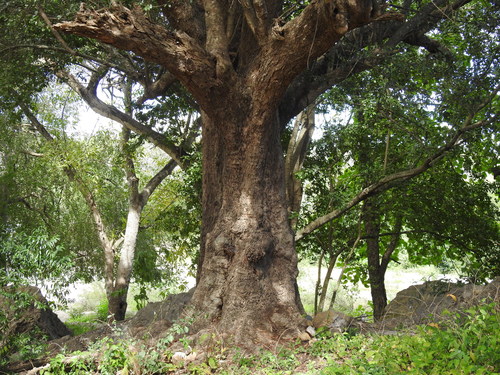
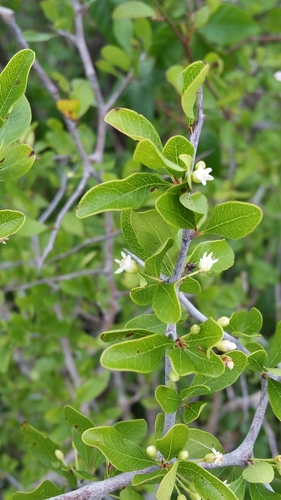
A tree which loses its leaves. It grows 35 m high. The trunk can be 120 cm across. It has stout, simple buttresses to 2.5 m high. The bark is pale with slight cracks. The young leaves and shoots do not have hairs. The flowers are greenish-yellow. The fruit are green. They turn yellow or violet as they ripen.
Edible Uses
The fruit and leaves are edible and consumed fresh.
Distribution
It is a tropical plant. It grows in seasonal semi-deciduous forest. It grows from sea level to 1500 m altitude.
Where It Grows
Belize, Central America, Colombia, Costa Rica, El Salvador, Grenada, Guatemala, Honduras, Mexico, Nicaragua, North America, Panama, South America, Trinidad and Tobago, Venezuela,
Synonyms
Also Known As
Acana, Casaguate, Cobac, Cosaguite, Danto amarilla, Maceta, Tempisque, Tempiste, Tempixte
References (6)
- Grandtner, M. M., 2008, World Dictionary of Trees. Wood and Forest Science Department. Laval University, Quebec, Qc Canada. (Internet database http://www.wdt.qc.ca)
- Grandtner, M. M. & Chevrette, J., 2013, Dictionary of Trees, Volume 2: South America: Nomenclature, Taxonomy and Ecology. Academic Press p 603
- Kermath, B. M., et al, 2014, Food Plants in the Americas: A survey of the domesticated, cultivated and wild plants used for Human food in North, Central and South America and the Caribbean. On line draft. p 801
- Pennington, T.D., 1990, Sapotaceae in Flora Neotropica Monograph 52. New York Botanical Gardens. p 158
- Fl. Neotrop. Monogr. 52:158. 1990
Show all 6 references Hide references
- Segura, S., et al, 2018, The edible fruit species in Mexico. Genet Resour Crop Evol (2018) 65:1767–1793