Sideroxylon americanum
(Miller) Pennington
Cocuyo, Pigeon berry
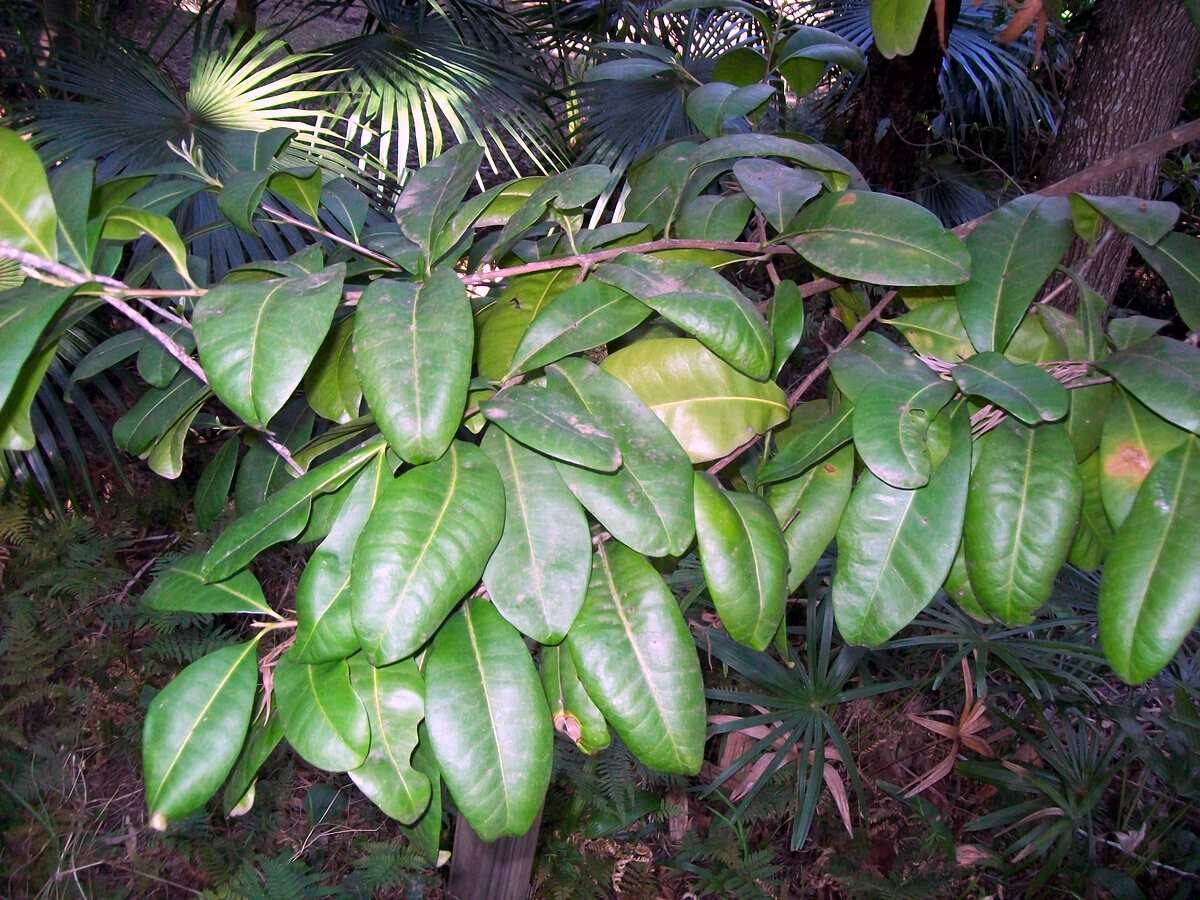
iNaturalist· cc-by
(c) Alan Prather, some rights reserved (CC BY)
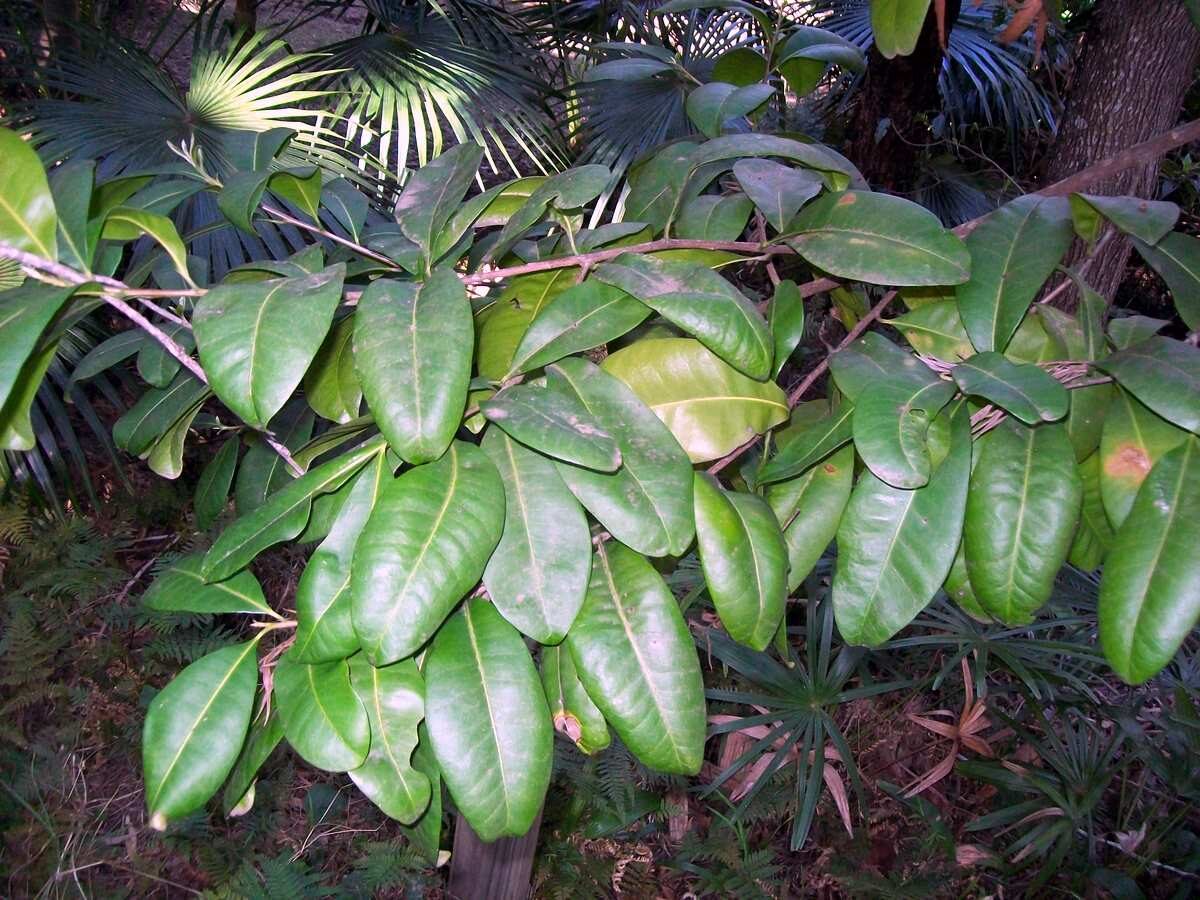
iNaturalist· cc-by
(c) Alan Prather, some rights reserved (CC BY)
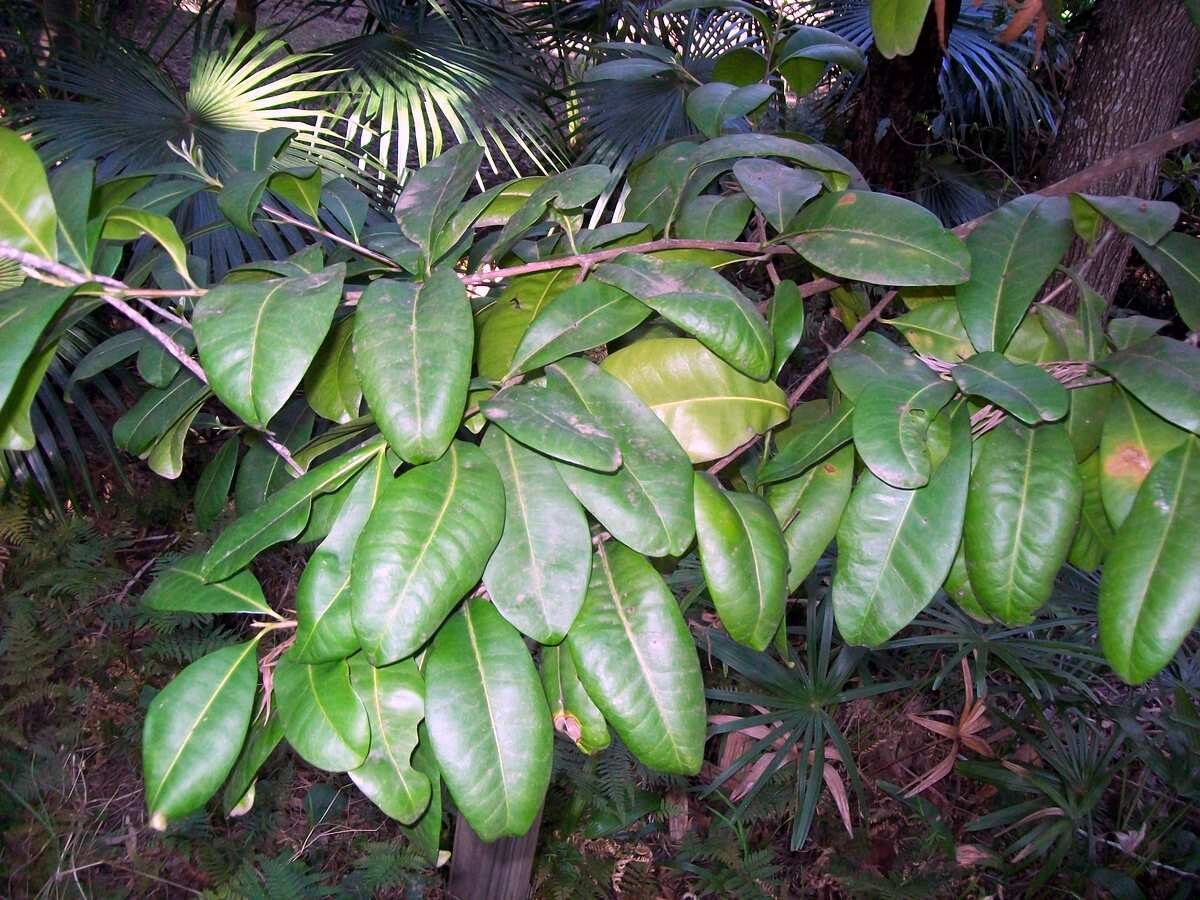
iNaturalist· cc-by
(c) Alan Prather, some rights reserved (CC BY)
Description
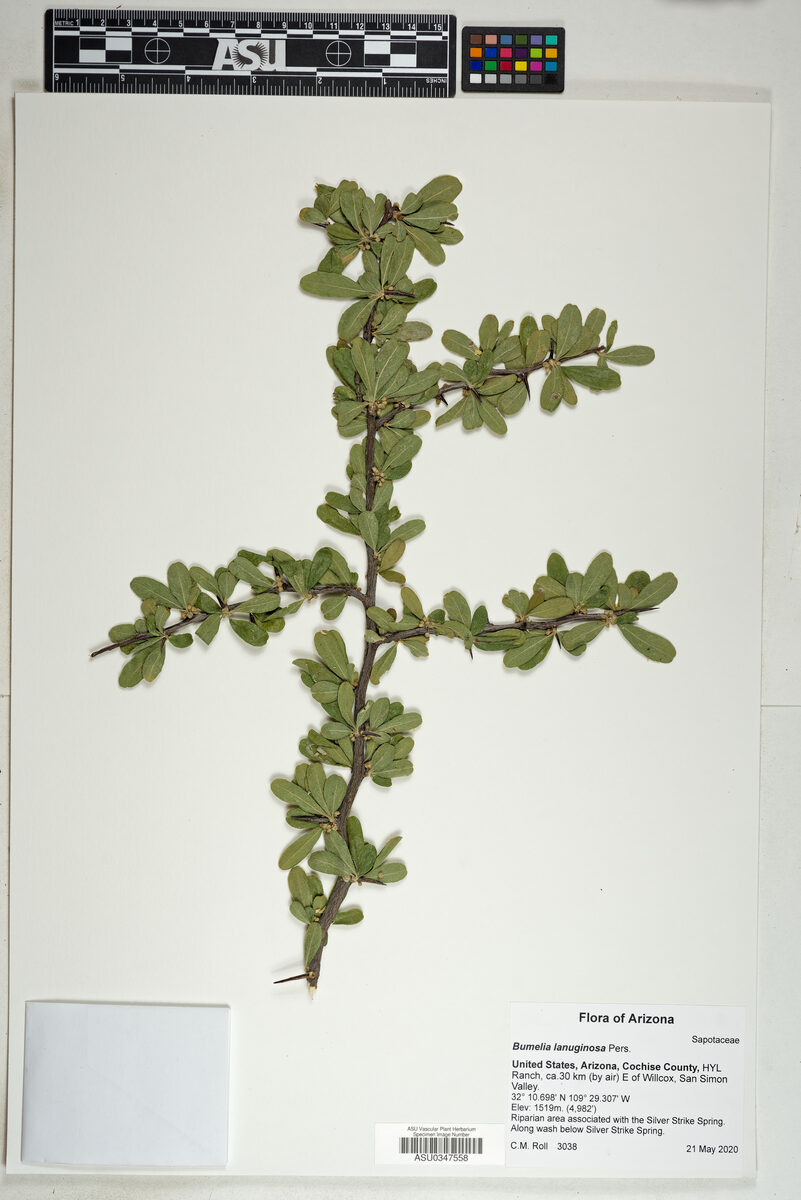
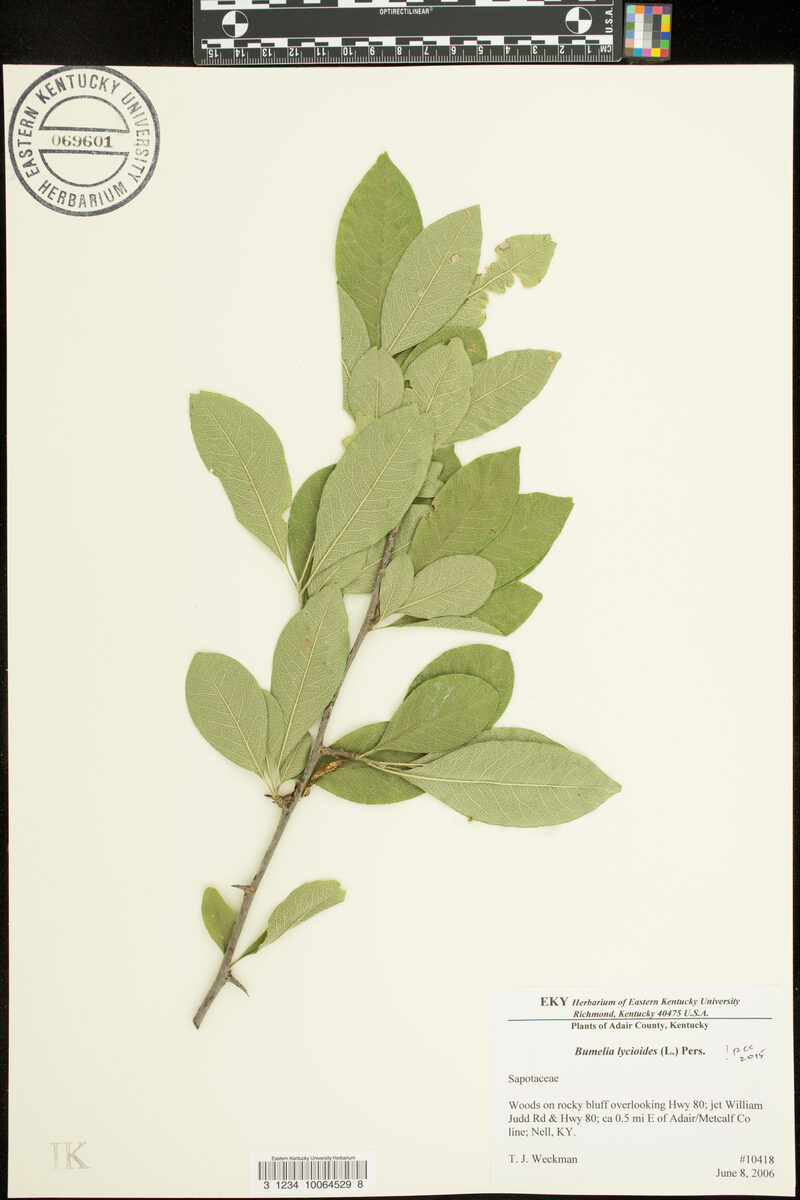
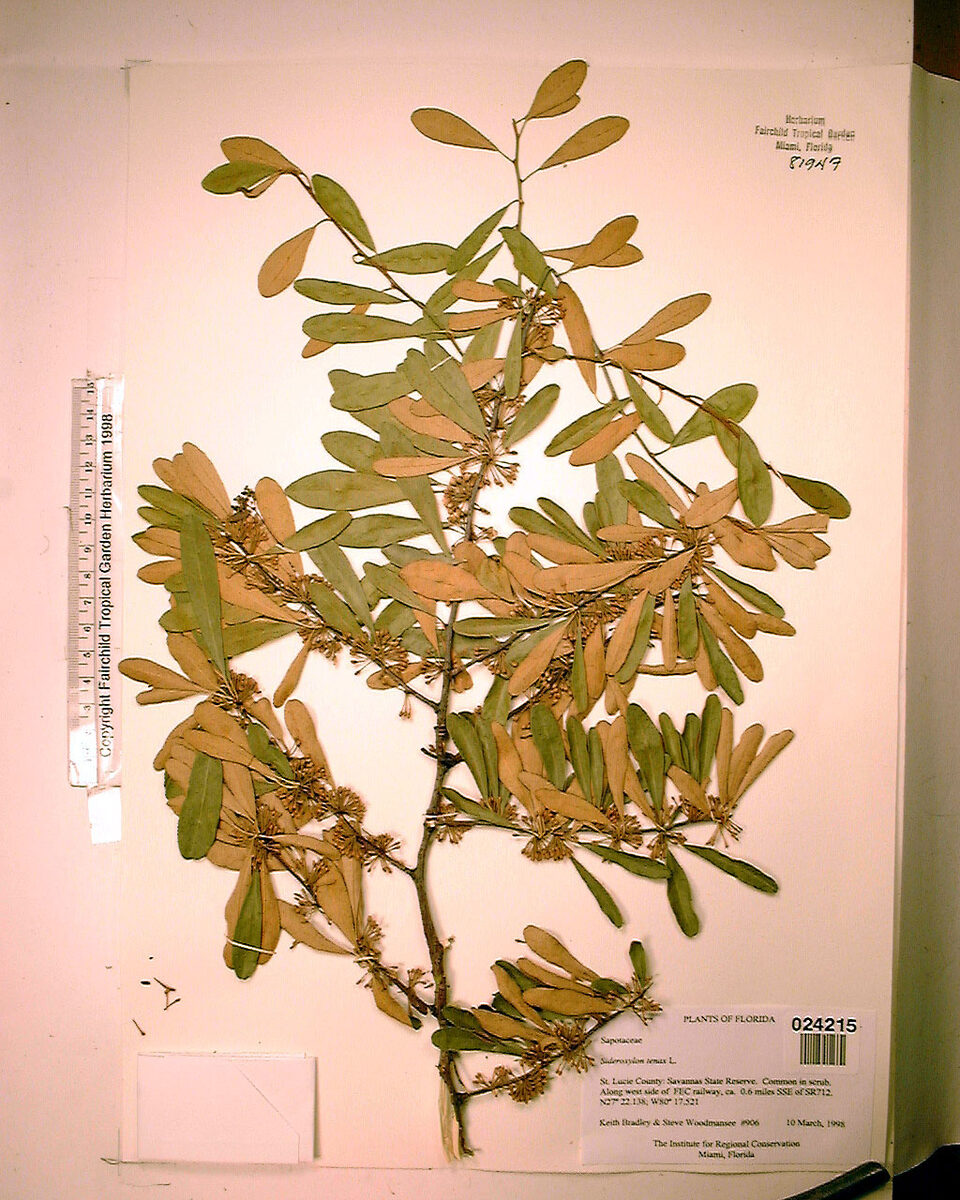
A spreading shrub or small tree. It can be 10 m high. The young branches have soft brown hairs. They can have spines. The leaves are mostly opposite. They are 0.8-6.5 cm long by 0.4-4 cm wide. They are usually broadly sword shaped or wedge shaped. The flowers have both sexes. They are white or cream coloured. They occur in the axils of leaves. The flower stalk is 3-5 mm long. The flowers have a strong scent. The fruit are 0.7-1.5 cm long. They are round or oval. The fruit ripen black or violet. There is one seed. It is 0.5-1.3 cm long. The fruit is edible.
Edible Uses
Fruit - raw. The black or violet, ovoid, ellipsoid or globose fruit is 7 - 15mm long, containing a single, large seed.
Distribution
A tropical plant. It is a coastal plant. It grows on dunes and arid cliffs.
Where It Grows
Bahamas, Belize, Central America, Costa Rica, Cuba, El Salvador, Guatemala, Honduras, Jamaica, Mexico, North America, Panama, West Indies,
Cultivation
The flowers are very fragrant. Birds are very keen on eating this fruit.
Synonyms
Also Known As
Milk berry, Wild saffron, Xpotzilil
References (3)
- Grandtner, M. M., 2008, World Dictionary of Trees. Wood and Forest Science Department. Laval University, Quebec, Qc Canada. (Internet database http://www.wdt.qc.ca)
- Pennington, T.D., 1990, Sapotaceae in Flora Neotropica Monograph 52. New York Botanical Gardens. p 118
- Reis, S. V. and Lipp, F. L., 1982, New Plant Sources for Drugs and Foods from the New York Botanical Garden herbarium. Harvard. p 232 (As Bumelia retusa)