Terminalia nigrovenulosa
Pierre ex Laness.
Kheeaai
iNaturalist· cc-by-nc
(c) Panisa.R, some rights reserved (CC BY-NC)
iNaturalist· cc-by-nc
(c) pitunipha, some rights reserved (CC BY-NC)
iNaturalist· cc-by-nc
(c) pitunipha, some rights reserved (CC BY-NC)
Description
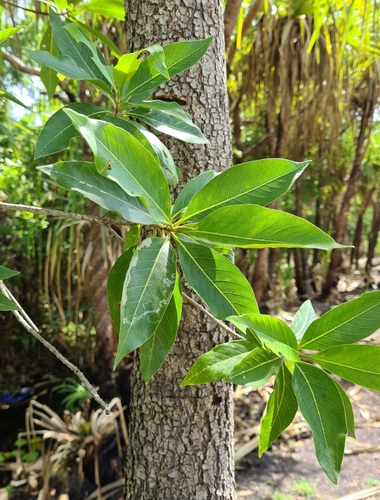
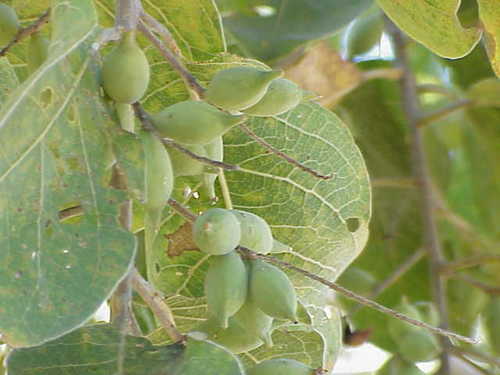
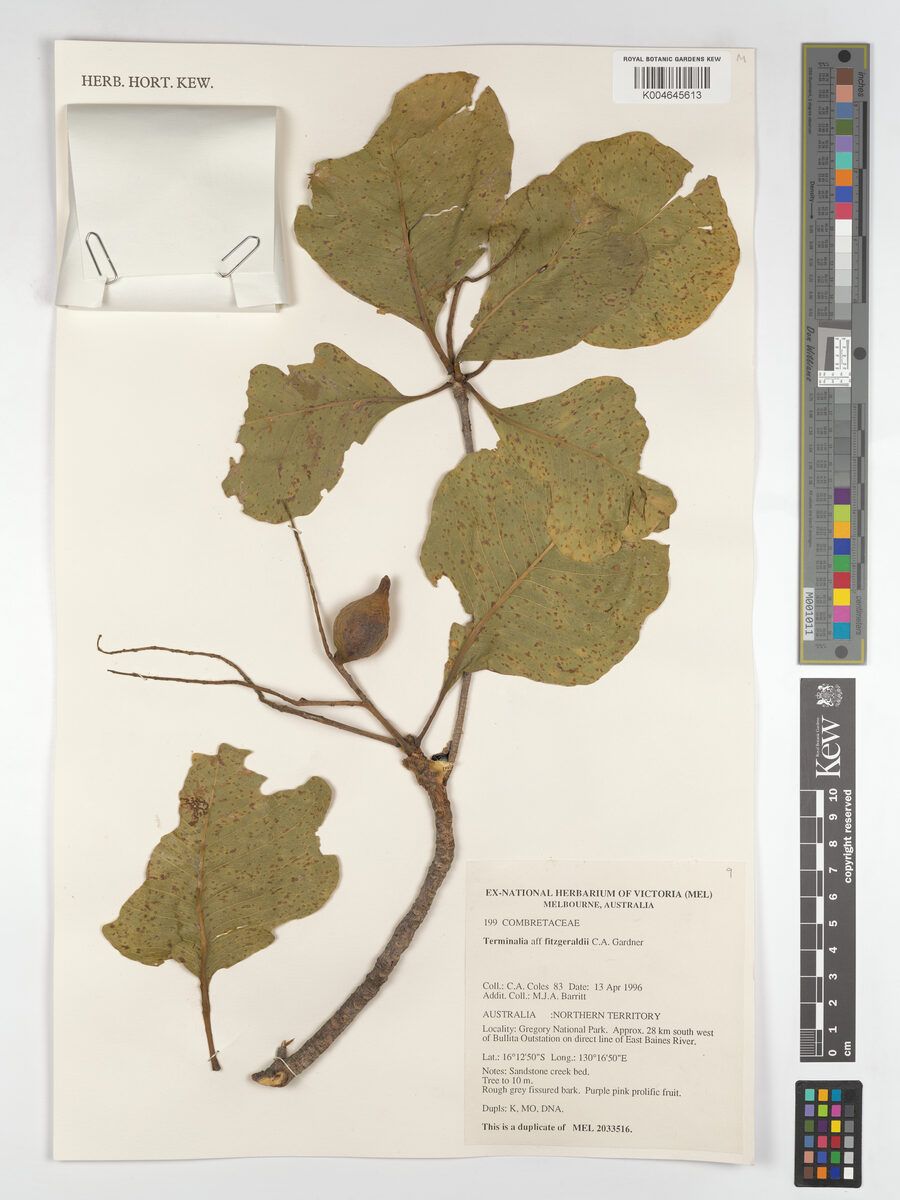
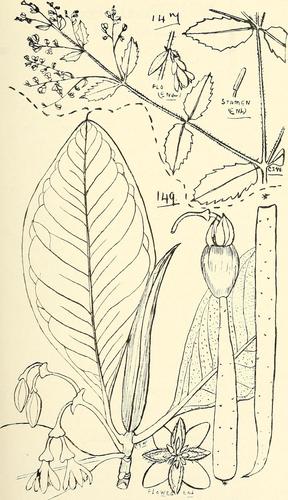
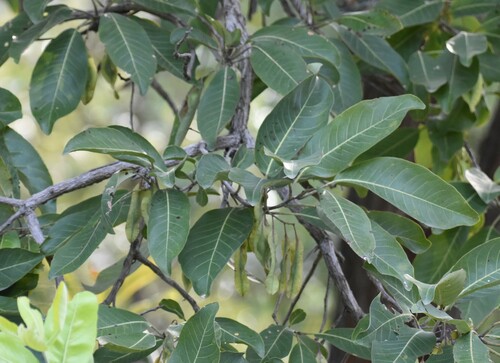
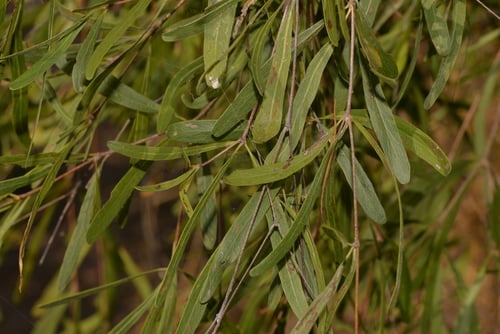
A shrub or small tree. It grows 15 m tall. The bark is white to grey. The small branches are slender and have indented lines along them. The leaves are alternate. They are grouped at the tips of branches. Leaves are green are darker above. They are oval and 4-11 cm long by 3-6 cm wide. The flowering shoots are the ends of branches and in the axils of leaves. There are many flowers in a group and they have a scent. The fruit are green with a red tinge. They can become red to purple when ripe. They are oval and have 3 wings. The fruit are 2-4 cm long by 2 cm wide.
Edible Uses
The bark is used in betel quid.
Traditional Uses
It is used in betel quid.
This uses section is brief — help expand it
Medicinal Uses
It is used in betel quid preparation.
Distribution
A tropical plant. It grows in forests and can be from the seashore to the mountains up to 500 m above sea level.
Where It Grows
Asia, Cambodia, China, Indochina, Laos, Malaysia, Myanmar, SE Asia, Thailand, Vietnam,
Other Uses
The fruit contains 20 - 40% tannins. The bark is a source of tannins. The wood is good for a variety of construction purposes.
Notes
There are about 200-250 Terminalia species. They are tropical.
Synonyms
Also Known As
Bayarm, Than-bo
References (2)
- Jacquat, C., 1990, Plants from the Markets of Thailand. D.K. Book House p 67
- Turreira Garcia, N., et al, 2017, Ethnobotanical knowledgeof the Kuy and Khmer people in Prey Lang, Cambodia. Cambodian Journal of Natural History 2017 (1): 76-101