Broussonetia kurzii
(J. D. Hooker) Corner
Sa Lae
wikimedia· cc-by-sa
Wikimedia Commons - Bibamwen
wikimedia· cc-by-sa
Wikimedia Commons - Takeaway
Description
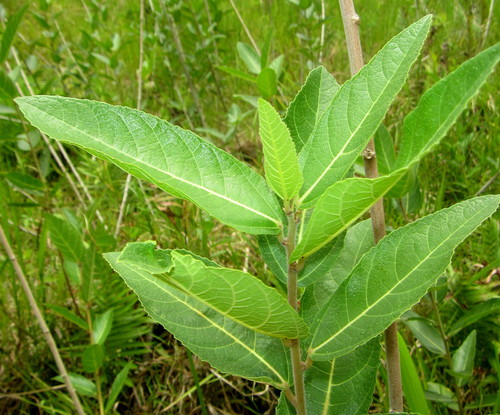
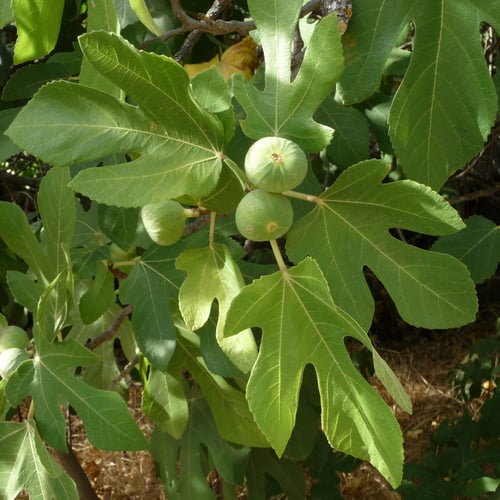
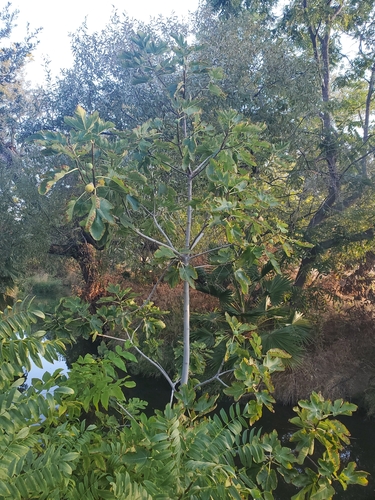
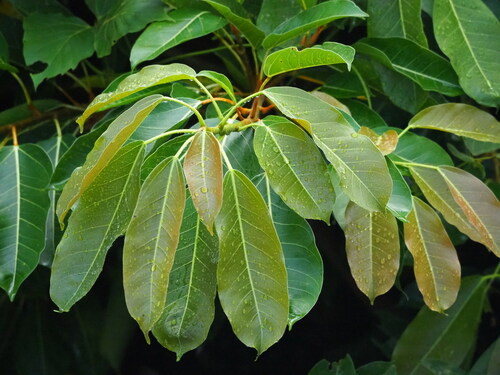
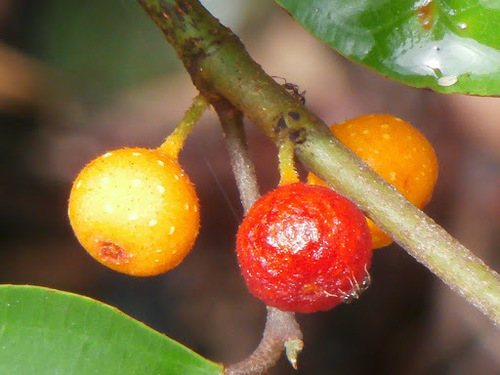
A wild climbing shrub. The leaves are alternate. They are oval and narrow towards the tip and are reduced towards the base. They are 7-20 cm long by 2.5-7 cm wide. The leaf stalk is 2-3 mm long. The flower arrangements have male and female flowers separately. The male flowers are spikes like cylinders. They are 4-5 cm long. The female flowers are clusters with 3-5 heads. They are 5-7 mm wide. The fruit is a dry one enclosed in bracts. It is 8-10 mm across. The seeds are shaped like a lens.
Edible Uses
Known as salae (สะแล) in Thailand, this species is valued as a medicinal plant. Its little spherical flower buds are also a food item in Thai cuisine.
Traditional Uses
The rounded flower heads are used in hot sour soup. The young fruit are cooked and used as a vegetable in curry.
This uses section is brief — help expand it
Distribution
A tropical plant. It is found in tropical deciduous forest and scrub. In Yunnan in China it grows between 200-600 m altitude.
Where It Grows
Asia, Cambodia, China, Himalayas, India, Indochina, Laos, Myanmar, Northeastern India, SE Asia, Sikkim, Thailand, Vietnam,
Notes
There are 4-8 Broussonetia species.
Synonyms
Also Known As
Luo ye hua sang
References (6)
- Eiadthong, W., et al, 2010, Management of the Emerald Triangle Protected Forests Complex. Botanical Consultant Technical Report. p 47
- Jacquat, C., 1990, Plants from the Markets of Thailand. D.K. Book House p 66
- Jiwajinda, S., et al, 2002, Suppressive Effects of Edible Thai Plants on Superoxide and Nitric Oxide Generation. Asian Pacific Journal of Cancer Prevention, Vol 3, 2002
- Moraceae, Flora of China.
- Nakahara, K. et al, 2002, Antimutagenicity of Some Edible Thai Plants, and a Biocative Carbazole Alkaloid, Mahanine, Isolated from Micromelum minutum. Journal of Agricultural and Food Chemistry. 50: 4796-4892
Show all 6 references Hide references
- www.eFloras.org Flora of China