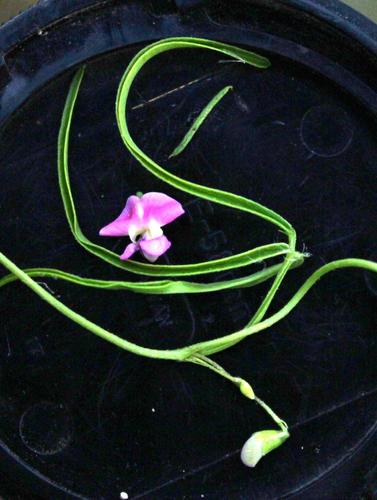
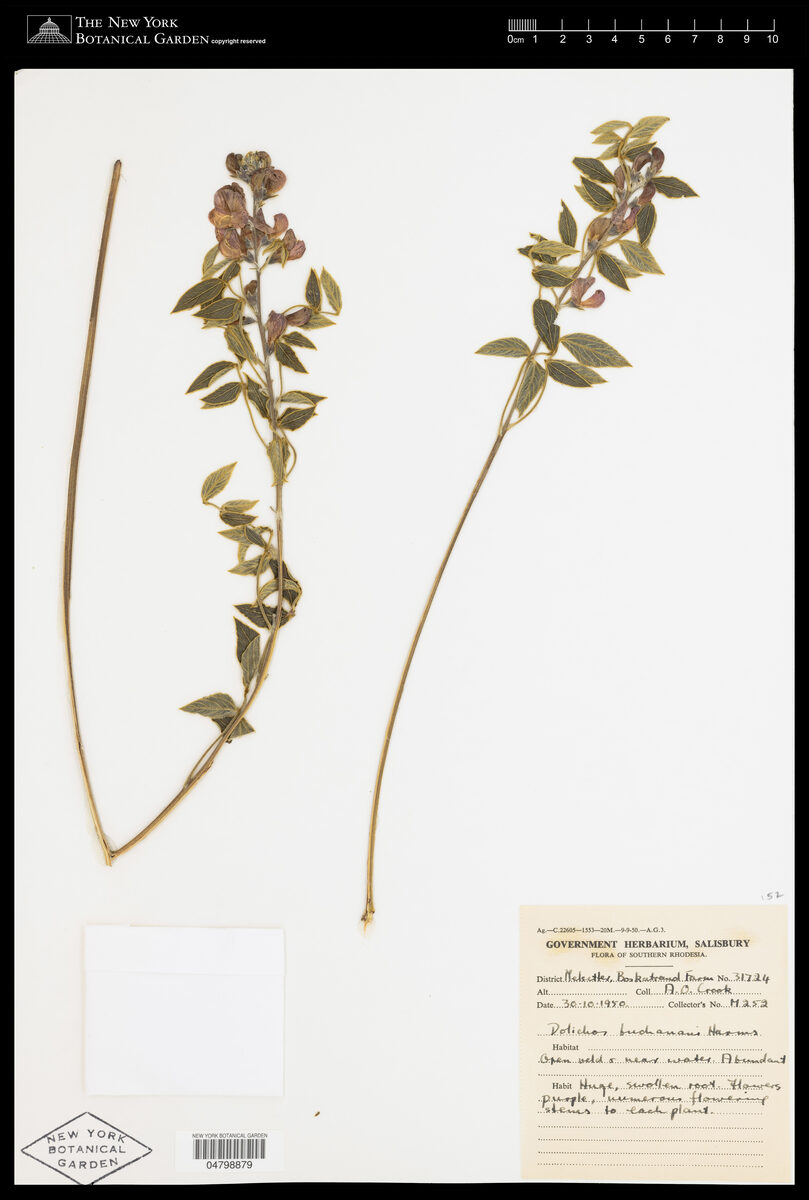
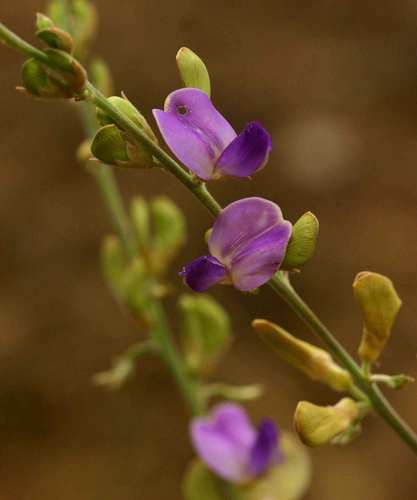
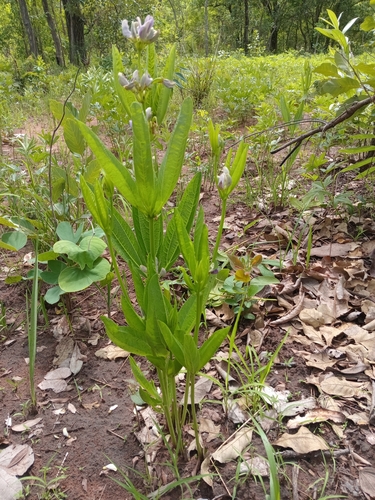
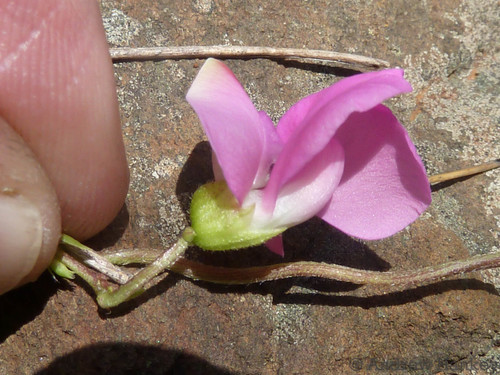
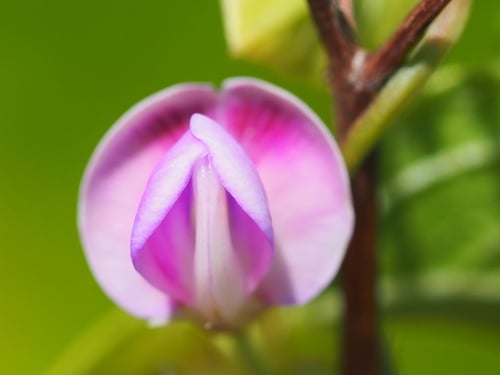
Amburana cearensis
(Allemao) A. C. Sm.
Amburana
iNaturalist· cc-by
(c) Tomás Carranza Perales, some rights reserved (CC BY), uploaded by Tomás Carranza Perales
iNaturalist· cc-by
(c) Tomás Carranza Perales, some rights reserved (CC BY), uploaded by Tomás Carranza Perales
Summary
Source: WikipediaAmburana cearensis is a species of timber tree in the family Fabaceae. This plant is native to Argentina, Bolivia, Brazil, Paraguay, and Peru. It is threatened by habitat loss. Portuguese common names include ambaúrana, amburana, amburana de cheiro, angelim, baru, cabocla, cerejeira rajada, cumaré, cumaru, cumaru de cheiro, cumaru do ceará, cumbaru das caatingas, emburana, emburana de cheiro, imburana, imburana brava, imburana cheirosa, imburana de cheiro, louro ingá, umburana, umburana lisa, umburana macho, umburana vermelha, umburana de cheiro, umburana-de-cheiro, and umburana do cheiro. Spanish common names include ishpingo and roble criollo.
Description
A tree. It grows 10-30 m tall. The leaves are 6-15 cm long with 7-12 pairs of leaflets that are alternate along the stalk. These are 2-7 cm long by 1-3 cm wide. The flowers are in panicles 2-4 cm long. The fruit is a pod 6-8 cm long by 1.5 cm wide.
Edible Uses
The seeds are eaten raw.
Traditional Uses
The seeds are eaten raw.
This uses section is brief — help expand it
Medicinal Uses
The seeds are used in medicine.
Distribution
It is a tropical plant. In Argentina it grows between 500-1,500 m above sea level.
Where It Grows
Argentina, Bolivia, Brazil, Paraguay, Peru, South America,
Cultivation
A plant of medium elevations in tropical areas with a monsoon season. Prefers a sunny position. Established plants are drought tolerant. Newly planted young trees grow away quite slowly and are generally less than 150cm tall after two years. Although most species in the family Fabaceae have a symbiotic relationship with bacteria on their roots that can fix atmospheric nitrogen, there is a report that this species does not have this relationship.
Propagation
Seed - best sown as soon as it is ripe in a semi-shaded position, either in individual containers or in a nursery seedbed. A germination rate in excess of 80% can be expected for fresh seeds, with the seeds sprouting within 15 - 25 days. Seedlings grow away slowly.
Other Uses
The seeds have an excellent scent. They have been used to perfume clothes. An aqueous extract of the seeds produced 100% mortality in third stage mosquito larvae of Aedes aegypti. An oily resin, which is volatile and fragrant, is obtained from the bark. It is used medicinally. The heartwood is yellowish or light brown with a slight orange hue, darkening somewhat on exposure; it is not sharply demarcated from the 5 - 8cm wide band of sapwood. It has a medium to coarse texture; the lustre is medium to high; the grain interlocked and irregular. The wood has a mild to distinct scent and taste of coumarin or vanilla with a rather waxy appearance and feel. It is light in weight, soft, moderately durable with good resistance to attack by decay fungi and termites, though it is susceptible to dry wood borers. It seasons slowly with a slight risk of checking or distortion, once dry it is stable in service. It is easy to work with machine or hand tools, though there is some difficulty in planing due to the interlocked grain; nailing and screwing are good; gluing is correct; it takes a good polish. The wood is used for luxury furniture, decorative veneer, construction, cooperage, carving, cabinet making, crates etc.
Notes
The seeds are used in medicine.
Synonyms
Also Known As
Amburana, Amburana-de-cheiro, Angelin, Baru, Cahocla, Caschou, Cerejeira, Cerejeira-rajada, Combaru-das-caatingas, Cumaru-de-cheiro, Hebol, Imburana, Ishpingo, Kumare, Palo trebol, Quixono, Roble, Roble amaricano, Roble criollo, Roble del pais, Roble paraguayo, Sorioca, Tumi, Umburana-lisa
References (4)
- Grandtner, M. M. & Chevrette, J., 2013, Dictionary of Trees, Volume 2: South America: Nomenclature, Taxonomy and Ecology. Academic Press p 28
- Nunes, E. N., et al, 2018, Local botanical knowledge of native food plants in the semiarid region of Brazil. Journal of Ethnobiology and Ethnomedicine (2018) 14:49
- Trab. Com. Sci. Explor. Ceara, Sec. Bot. 17, t. 5. 1864 (As Torresea cearensis)
- Zambrana, P, et al, 2017, Traditional knowledge hiding in plain sight – twenty-first century ethnobotany of the Chácobo in Beni, Bolivia. Journal of Ethnobiology and Ethnomedicine (2017) 13:57