Pentacme siamensis
(Miq.) Kurz
Temak batu, Rang
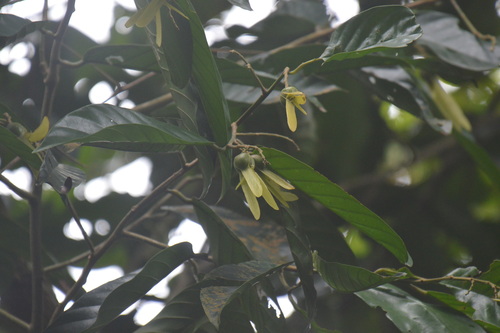
iNaturalist· cc-by-nc
(c) Colin Chapman-Lam, some rights reserved (CC BY-NC), uploaded by Colin Chapman-Lam
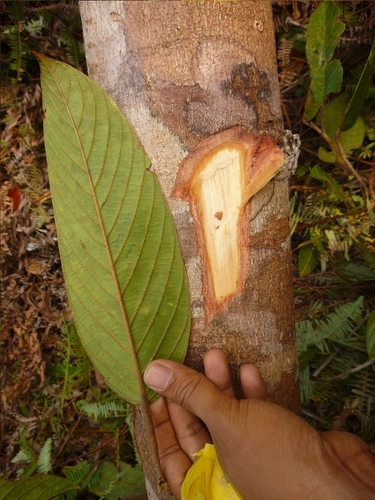
iNaturalist· cc-by-nc
(c) Kanatip Yingram, some rights reserved (CC BY-NC)
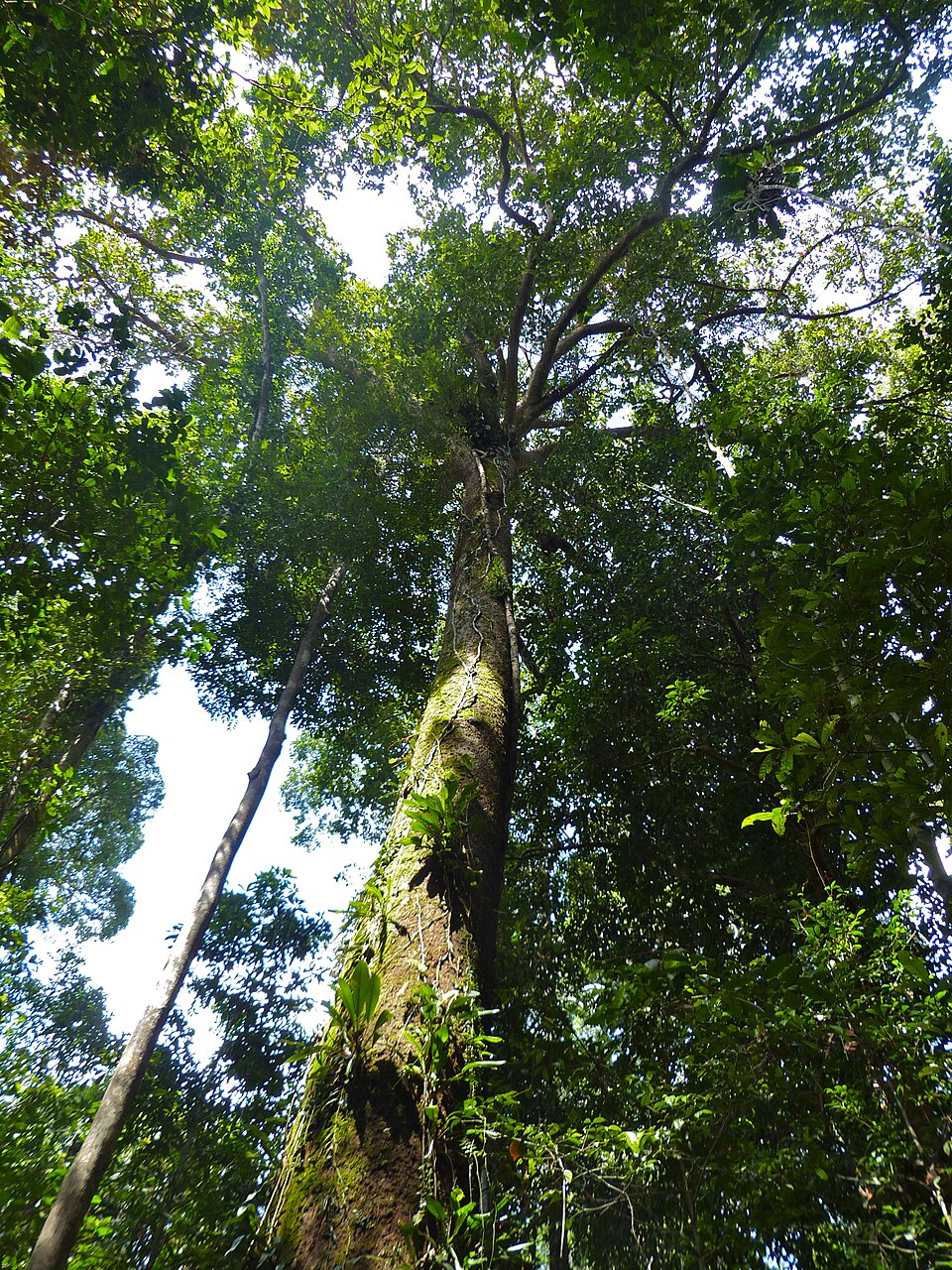
iNaturalist· cc-by-nc
(c) fischair, some rights reserved (CC BY-NC)
Summary
Source: WikipediaPentacme siamensis is a species of tree in the family Dipterocarpaceae. It is native to most of mainland Southeast Asia.
Description
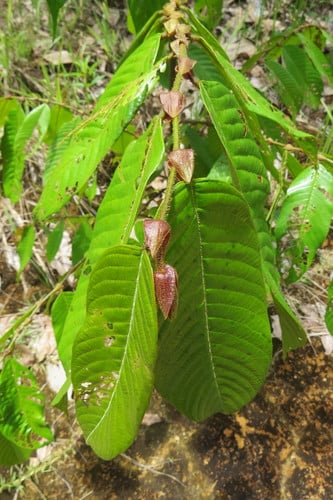
A small tree. It has low branches. It grows 15-20 m tall. The trunk is 80 cm across. It can have buttresses. It loses its leaves during the year.
Edible Uses
In Cambodia, Pentacme siamensis (known in Khmer as រាំងភ្នំ – Raing Phnom) is rare and most often seen near Buddhist pagodas and shrines. According to legend one of Buddha's incarnations was born under an P. siamensis tree and therefore it has a strong symbolic connection to Cambodia's Buddhist culture. The leaves of the tree are used in traditional Cambodian medicine as a tea for easing child birth.
Distribution
It is a tropical plant. It grows in places with a dry season. In the wet season the areas have 1,250-2,000 mm of rain. It grows on sandy or rocky soils. It grows in lowland forests from sea level to 1,000 m above sea level.
Where It Grows
Asia, Cambodia, Indochina, Laos, Malaysia, Myanmar, SE Asia, Thailand, Vietnam,
Notes
It is used in medicine.
Synonyms
Also Known As
Dom rang
References (3)
- Burkill, I.H., 1966, A Dictionary of the Economic Products of the Malay Peninsula. Ministry of Agriculture and Cooperatives, Kuala Lumpur, Malaysia. Vol 2 (I-Z) p 1719
- J. Asiat. Soc. Bengal, Pt. 2, Nat. Hist. 39(2):66. 1870
- World Checklist of Useful Plant Species 2020. Royal Botanic Gardens, Kew (As Shorea siamensis)