Shorea trapezifolia
(Thwaites) P. S. Ashton
gbif· cc-by
Meise Botanic Garden
gbif· cc-by
Royal Botanic Gardens, Kew
gbif· cc-by-nc
RSA - California Botanic Garden Herbarium (RSA-RSA)
Description
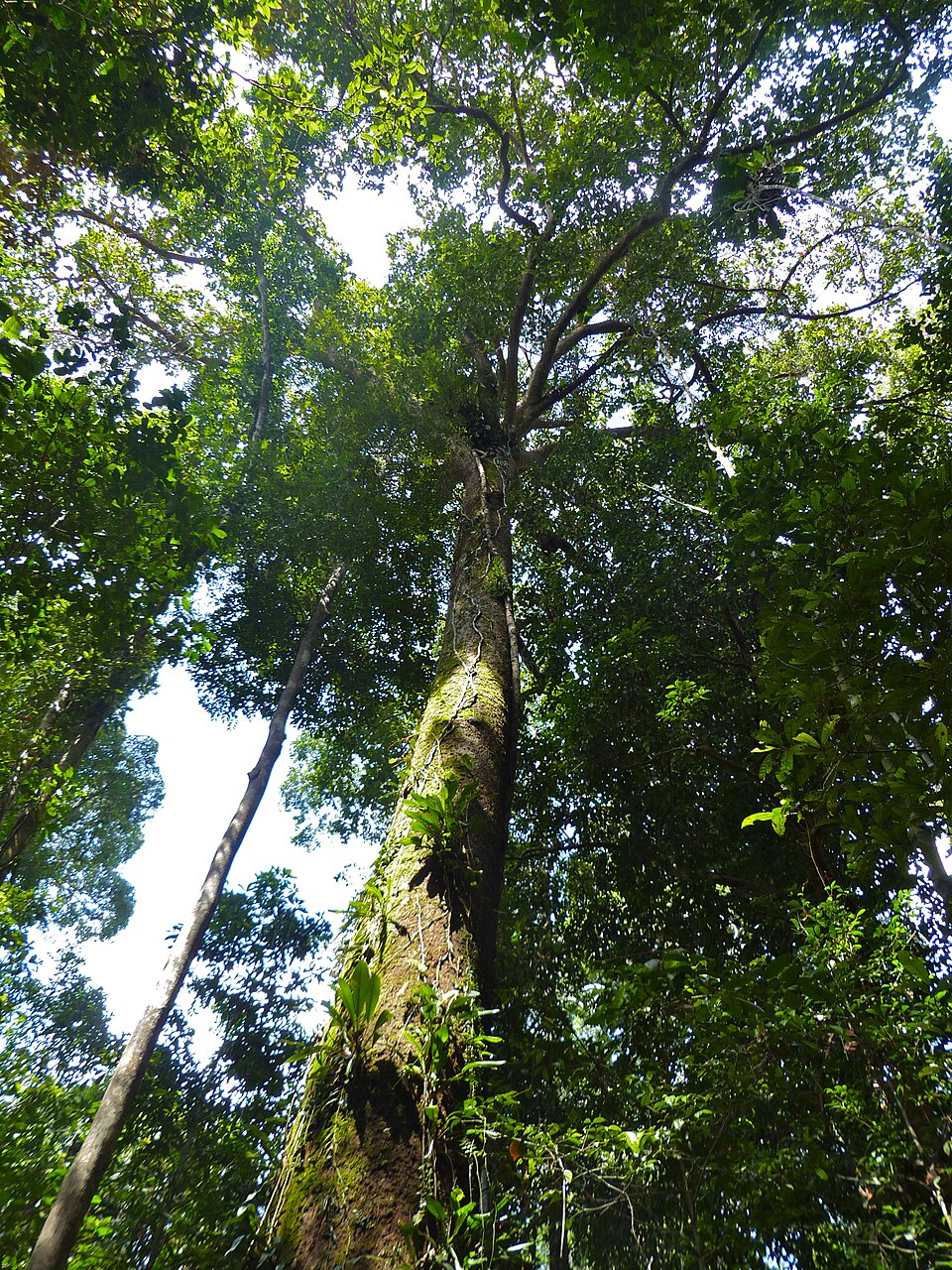
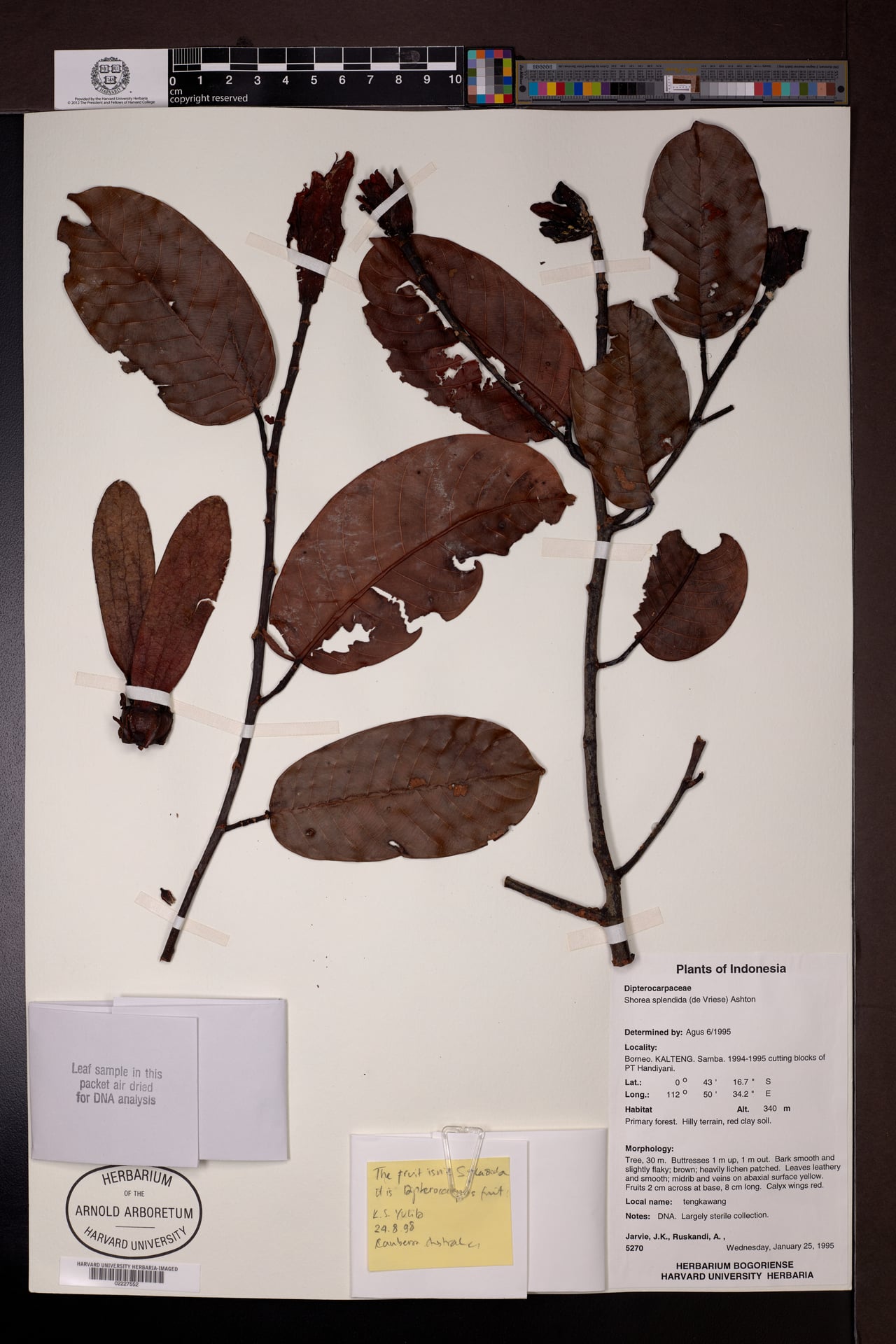
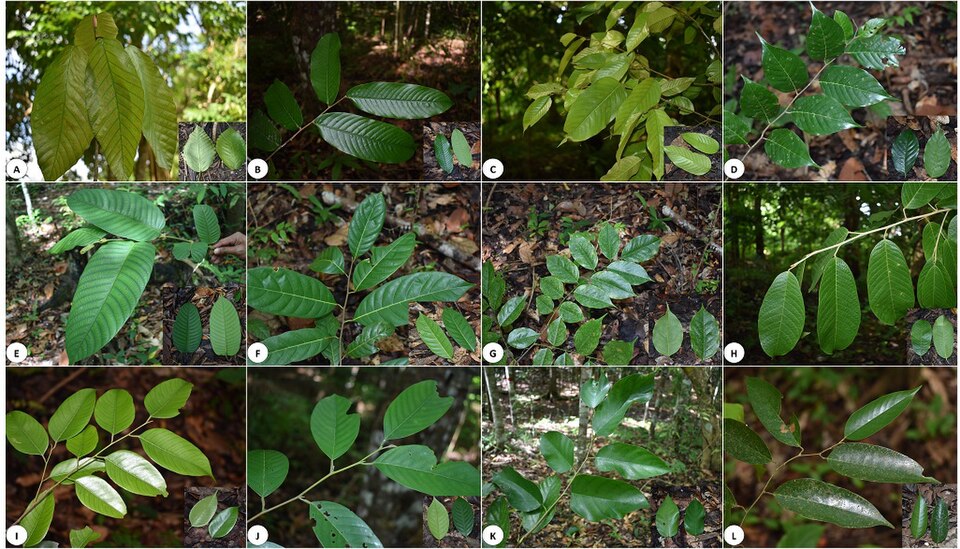
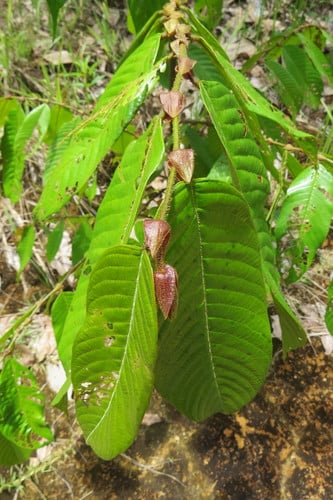
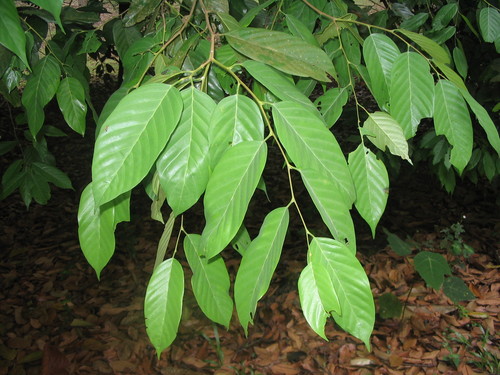
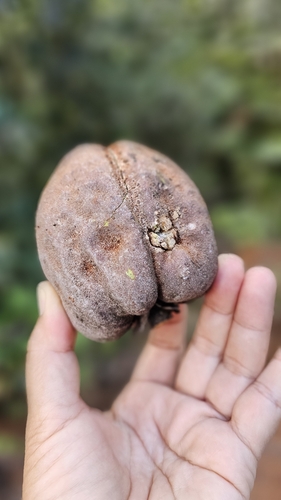
A tree. It has buttresses. The bark develops regular cracks. The leaves are narrowly oval to sword shaped. They taper to the tip. The flowers are white and in panicles. The fruit are a flattened round shape and have 3 long and 2 short wings.
Edible Uses
The fruits (seed) are dried, pounded, and made into flour for food, and are largely consumed when they can be got, but are said to be produced only every seventh year.
Distribution
It is a tropical plant. It grows in rainforest. It grows between 600-1,200 m above sea level.
Where It Grows
A canopy tree in lowland and sometimes highland wet evergreen forest, usually on deep soils. Moist low country at elevations up to 750 metres.
Propagation
We have no specific information for this species - the information below is a general guide for the genus. Seed - best sown as soon as possible. It does not require pre-treatment, but it is recommended to soak the seed for 12 hours prior to sowing. The seeds are sown in seedbeds, where they are covered with a mixture of sand and soil (1:1) or with a thin layer of sawdust. Germination of fresh seeds is usually good and rapid. About two weeks after germination, when the seedlings are 5 - 6cm tall, they are potted up into individual containers about 15 x 23cm with good drainage holes at their base. It is normally recommended to use a mixture of forest soil and sand (at a ratio of 3:1) as the potting medium in order to introduce the appropriate mycorrhiza to the roots. The seedlings are placed in 50 - 60% sunlight and watered twice daily. Seedlings can be planted out when 30 - 40cm tall - harden the seedlings off in full sunlight for one month prior to planting.
Other Uses
The wood is of a light reddish colour, with a golden tint, and a very close, hard, and firm grain. The wood is used mainly for plywood.