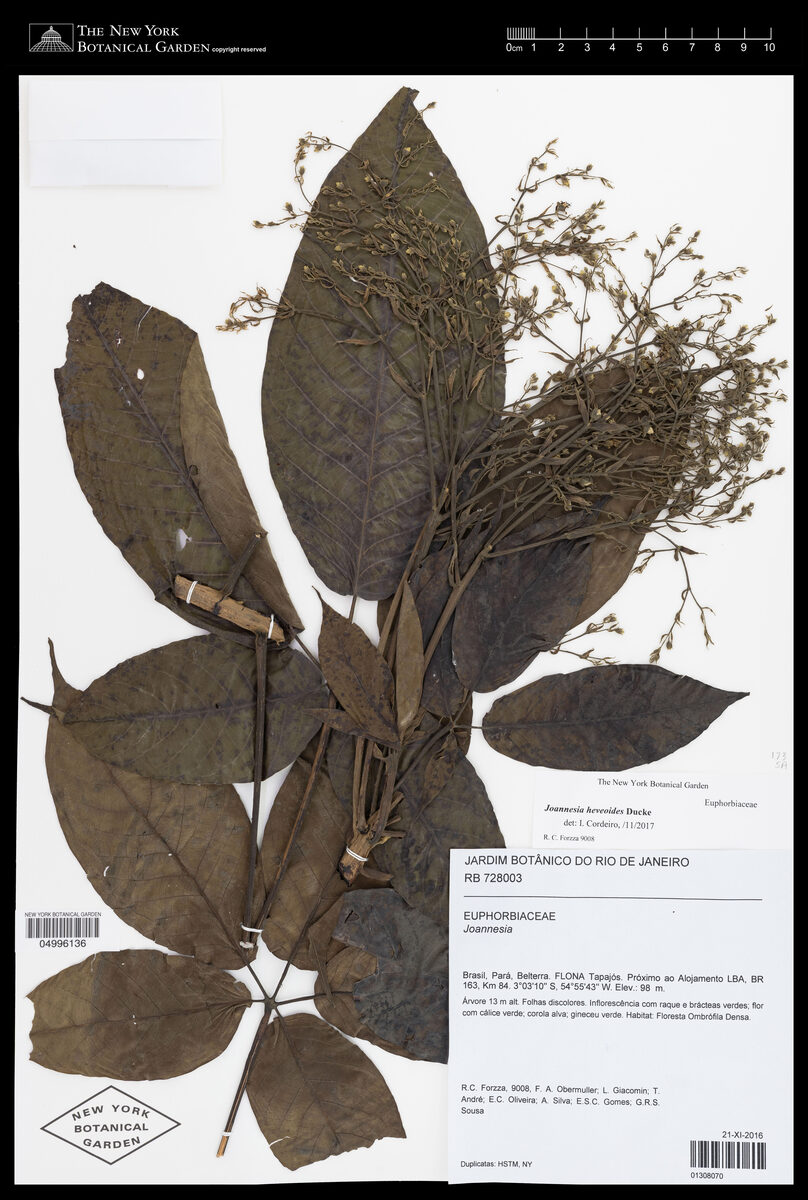
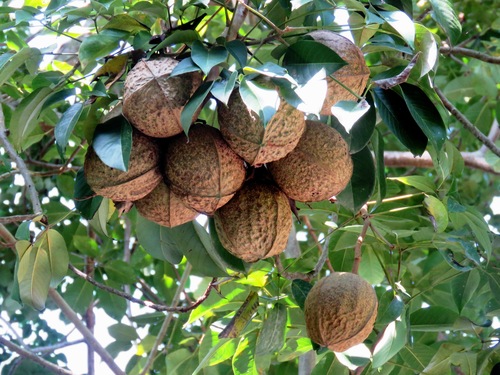
Manihot caerulescens
Pohl
iNaturalist· cc-by-nc
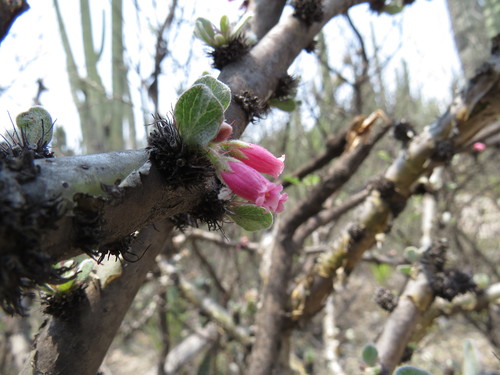
(c) alexandre callou sampaio, some rights reserved (CC BY-NC), uploaded by alexandre callou sampaio
iNaturalist· cc-by-nc
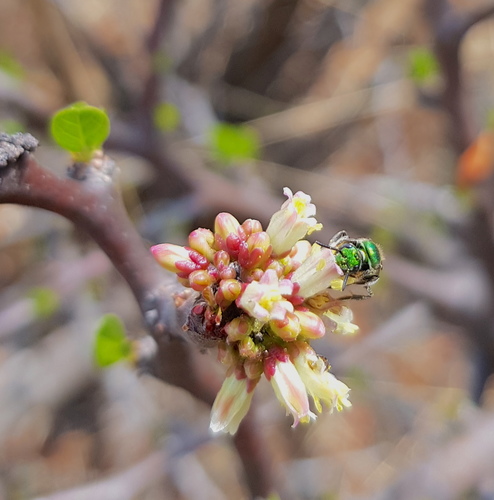
(c) alexandre callou sampaio, some rights reserved (CC BY-NC), uploaded by alexandre callou sampaio
iNaturalist· cc-by-nc
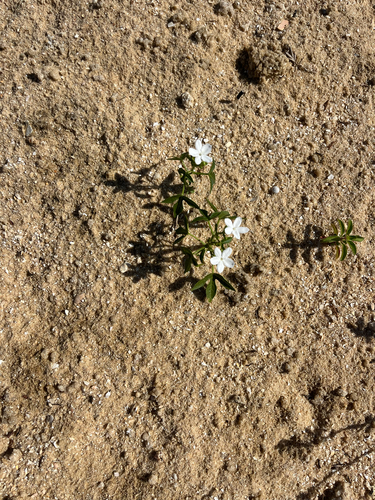
(c) alexandre callou sampaio, some rights reserved (CC BY-NC), uploaded by alexandre callou sampaio
Summary
An evergreen shrub growing to 3.5 m tall and 3 m wide at medium rate, hardy to UK zone 10. Tolerates light sandy and medium loamy well-drained soils, grows in nutritionally poor soil, and prefers mildly acid to neutral pH. Requires full sun and tolerates both dry and moist conditions including drought.
Description
A shrub or small tree. It has a dense leafy crown. It grows 2-4 m tall. The leaves have 3-5 lobes.
This description is brief — help expand it
Edible Uses
None known
Medicinal Uses
None known
Distribution
A tropical plant. It grows in sandstone soils. It grows in hot dry regions in Brazil. It grows in areas with a rainfall between 250-1,000 mm and a temperate between 24-26°C. It is resistant to drought.
Where It Grows
Asia, Brazil, India, South America,
Cultivation
Grows best in a sandy soil.
Propagation
Seed.
Other Uses
A latex obtained from the trunk is used to make Piauhy rubber.
Synonyms
Also Known As
Manicoba
References (5)
- Ambasta, S.P. (Ed.), 2000, The Useful Plants of India. CSIR India. p 355 (As Manihot piauhyensis)
- Burkill, I.H., 1966, A Dictionary of the Economic Products of the Malay Peninsula. Ministry of Agriculture and Cooperatives, Kuala Lumpur, Malaysia. Vol 2 (I-Z) p 1434 (As Manihot piauhyensis)
- Grandtner, M. M. & Chevrette, J., 2013, Dictionary of Trees, Volume 2: South America: Nomenclature, Taxonomy and Ecology. Academic Press p 378
- Nagib, M. A., et al, 2008, Wild Manihot species: botanical aspects, geographic distribution and economic value. Genetics and Molecular Research 7 (1): 16-28
- Notizbl. Koenigl. Bot. Gart. Berlin 5(41):2. 1907 (As Manihot piauhyensis)