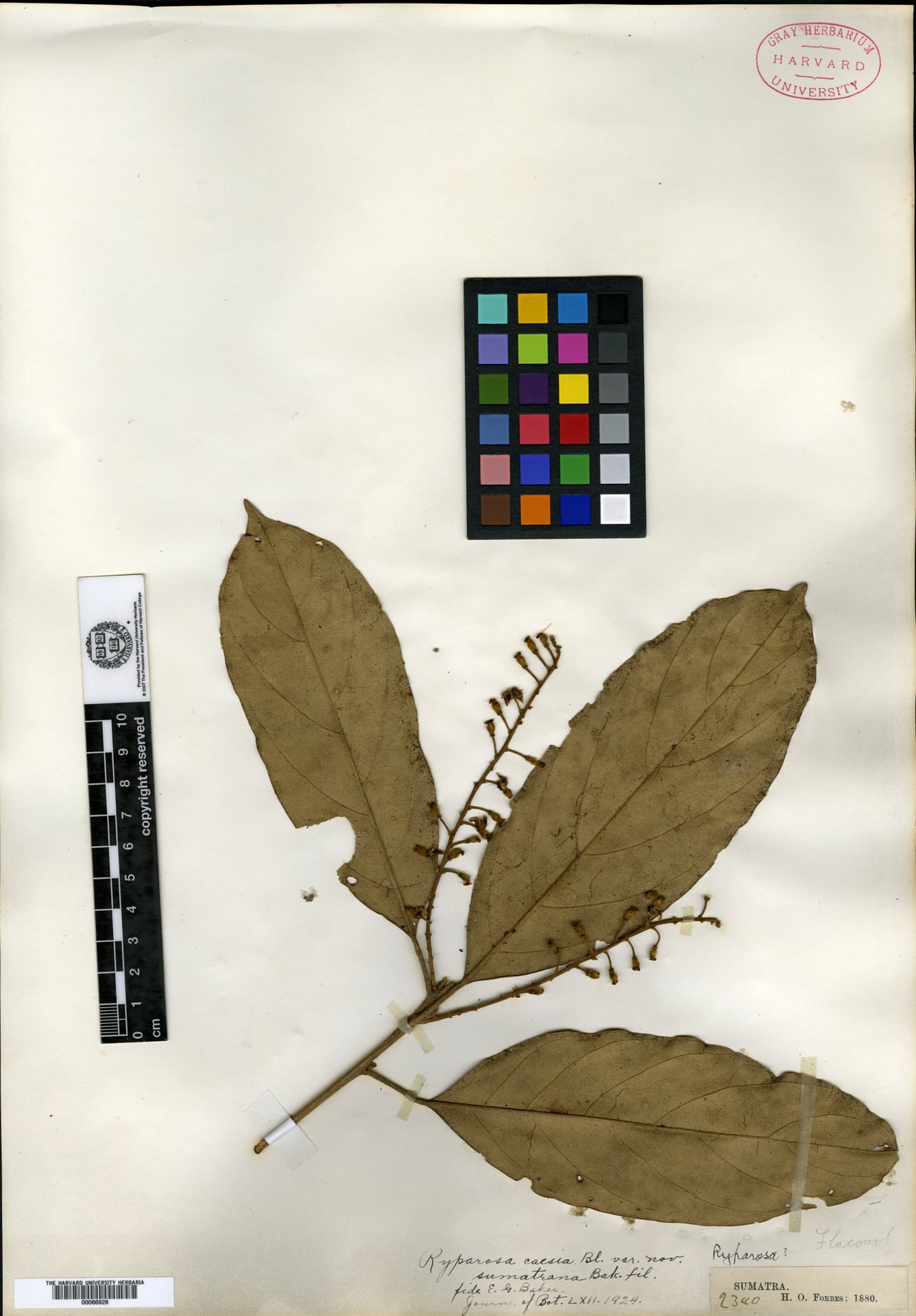
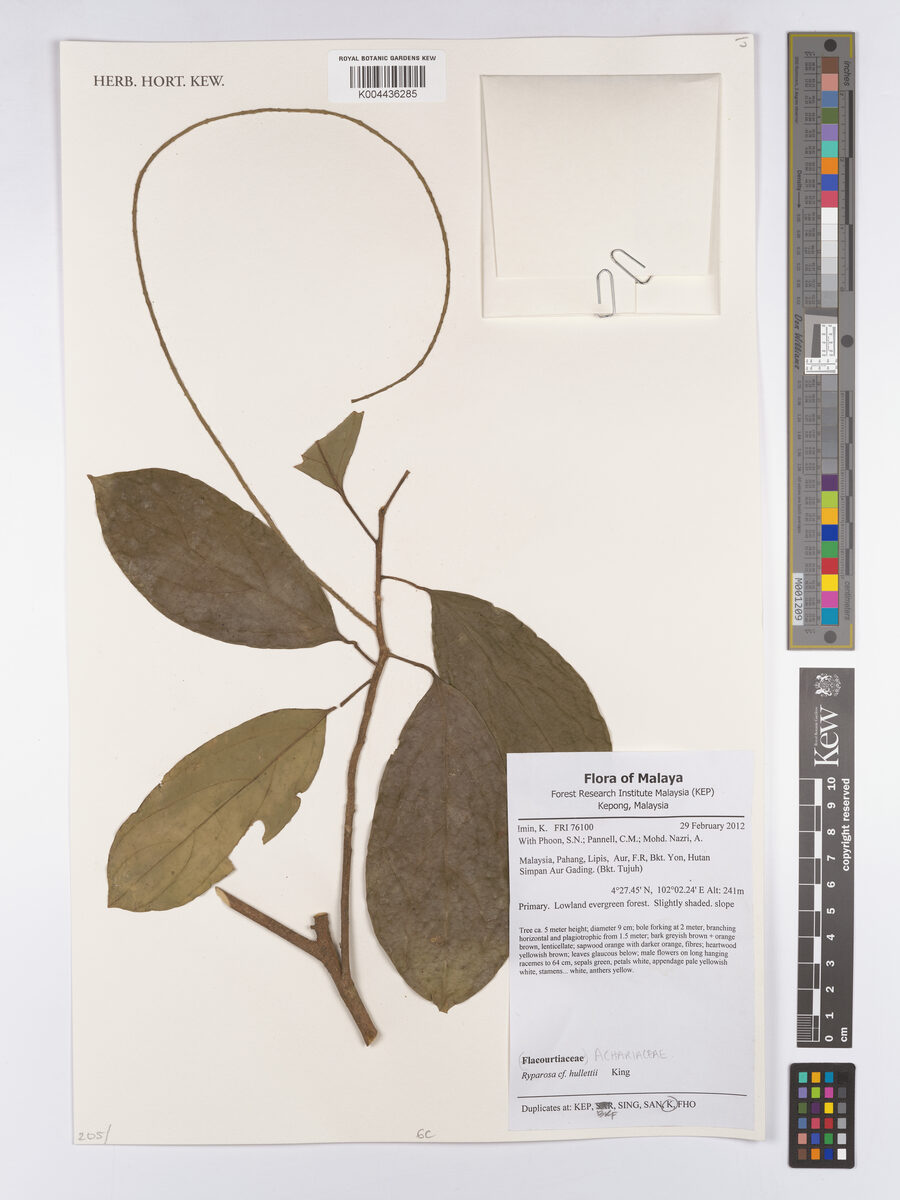
Hydnocarpus kurzii
(King) Warb.
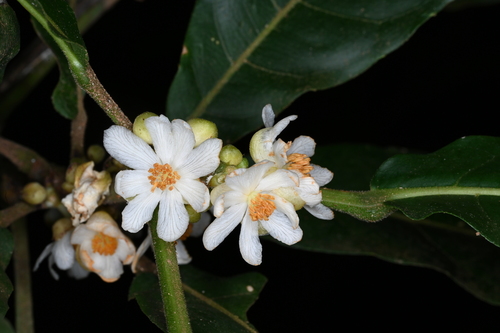
Kurzii setumpul tree
wikimedia· cc-by-sa
Wikimedia Commons - Salim_Khandoker
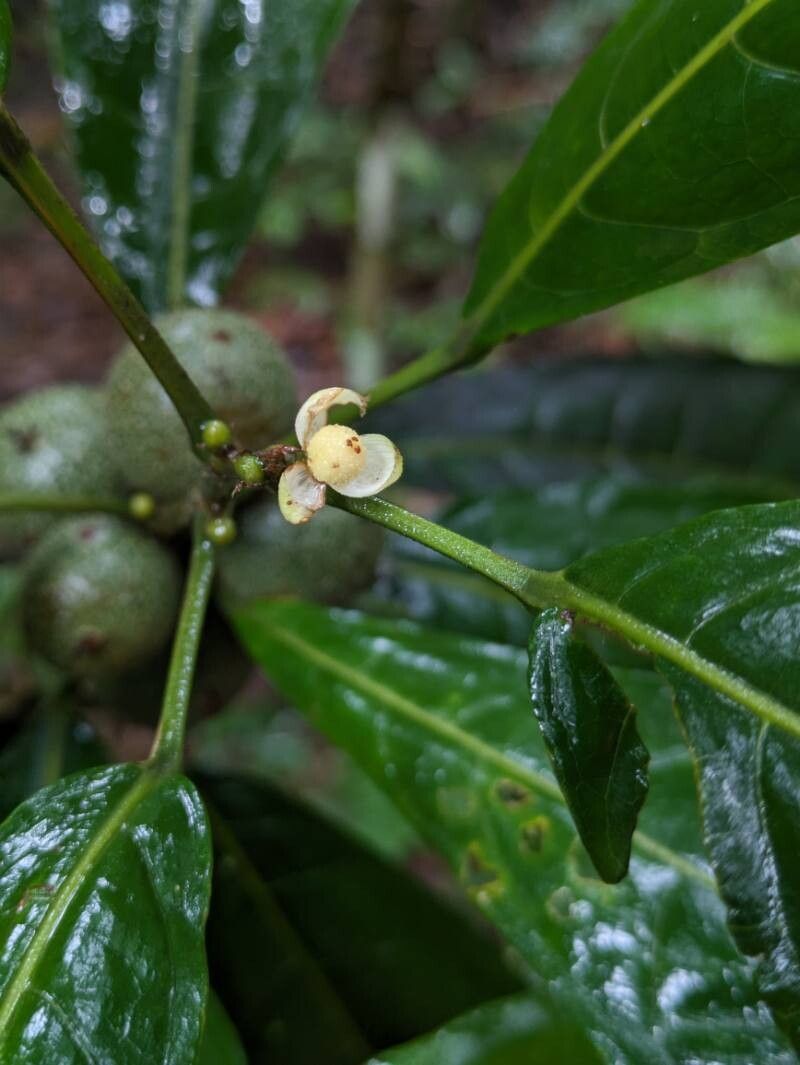
wikimedia· cc-by-sa
Wikimedia Commons - Salim_Khandoker
Summary
Source: WikipediaHydnocarpus kurzii is a species of flowering plant in the family Achariaceae. It is found in India and Myanmar. It is used as a traditional medicinal plant. Working for Wellcome Chemical Research Laboratories, the pharmacist Frederick B. Power studied the seeds of various species of chaulmoogra from 1904. Power and colleagues identified chaulmoogric acid, which has the formula C18H32O2, from seeds of what was then called the Taraktogenos kurzii tree.
Description
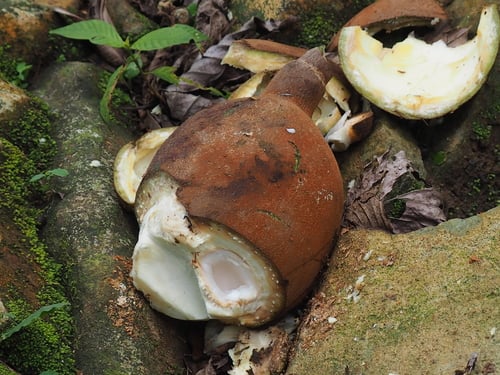
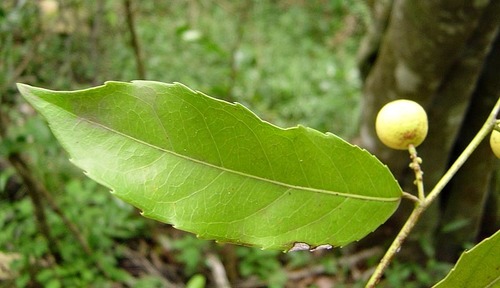
A tree. It grows 20-30 m high and spreads 15 m wide. The leaves are oblong and 20-30 cm long by 8-12 cm wide. The fruit are round. The seeds are angular.
Edible Uses
None known.
Traditional Uses
Caution:
This uses section is brief — help expand it
Medicinal Uses
The oil extracted from the seeds, known as chaulmugra oil, has a long history of use in treating leprosy. Applied externally and by direct infiltration of lesions, it has been shown to reduce the size of nodules, numb patches, and skin lesions. Its active principles are unusual cyclopentenic fatty acids, including chaulmoogric acid, though its precise molecular mycobactericidal mode of action remains unknown. The oil also contains hydnocarpic fatty acids. A decoction of the bark is drunk as a general tonic to improve health and to treat internal disorders and skin diseases. Thai traditional doctors use both the roots and seeds to treat skin diseases. The oil has also been observed to increase the strength of scar tissue and strengthen collagen in wounds when applied to the skin, suggesting possible cosmetic or dermatological applications. Lignans hydnowightin, hydrocarpin, and neohydnocarpin isolated from the plant have demonstrated cytotoxic potential against various forms of cancer.
Known Hazards
The seeds contain cyanogenic glycosides and are toxic. It is advised not to eat pigs nor fish that have been feeding on the seeds, as their flesh induces nausea and vomiting. In very small quantities cyanogenic glycosides have been used medicinally, having been shown to stimulate respiration and improve digestion, they are also claimed to be of benefit in the treatment of cancer. In excess, however, they can cause respiratory failure and even death.
Distribution
It is a tropical plant. It needs a temperature above 12-14°C.
Where It Grows
Asia, Hawaii, India, Indochina, Indonesia, Laos, Malaysia, Myanmar, Pacific, SE Asia, Thailand, USA, Vietnam,
Cultivation
Plants can be grown by seeds.
Propagation
Propagate by seed.
Other Uses
None known.
Notes
The fruit are used as a fish poison. The seed oil is used externally. It has been used in the past as a treatment for leprosy. Also put in the Flacourtiaceae family.
Synonyms
Also Known As
Balibu, Chaulmugra, Dalmugri, Dieng-soh-lap, Lamtem, Lonoi kurz, Niradi-muttu, Pohon setumpul kursii, Rowai-thing
References (7)
- Ambasta, S.P. (Ed.), 2000, The Useful Plants of India. CSIR India. p 276
- Arora, R. K., 2014, Diversity in Underutilized Plant Species - An Asia-Pacific Perspective. Bioversity International. p 104
- Brown, D., 2002, The Royal Horticultural Society encyclopedia of Herbs and their uses. DK Books. p 238
- H. G. A. Engler & K. A. E. Prantl, Nat. Pflanzenfam. 3(6a):21. 1893
- Staples, G.W. and Herbst, D.R., 2005, A tropical Garden Flora. Bishop Museum Press, Honolulu, Hawaii. p 337
Show all 7 references Hide references
- Sukarya, D. G., (Ed.) 2013, 3,500 Plant Species of the Botanic Gardens of Indonesia. LIPI p 333
- World Checklist of Useful Plant Species 2020. Royal Botanic Gardens, Kew