Hydnocarpus subfalcatus
Merr.
Sickle-leaf chaulmogra tree
gbif· cc-by
Royal Botanic Gardens, Kew
gbif· cc-by
Royal Botanic Gardens, Kew
gbif· cc-by
Royal Botanic Gardens, Kew
Description
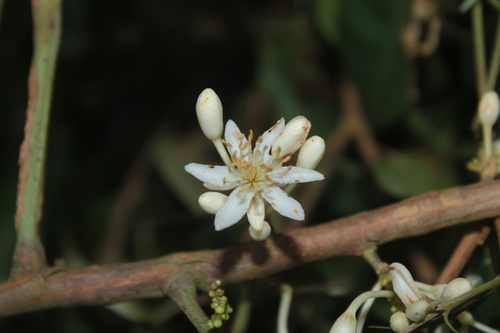
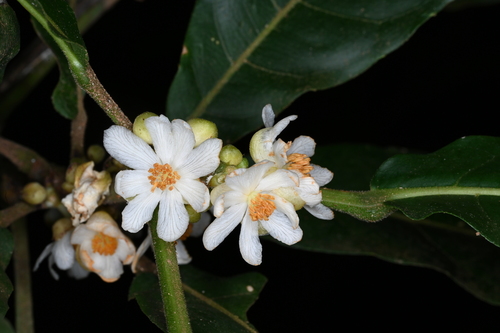
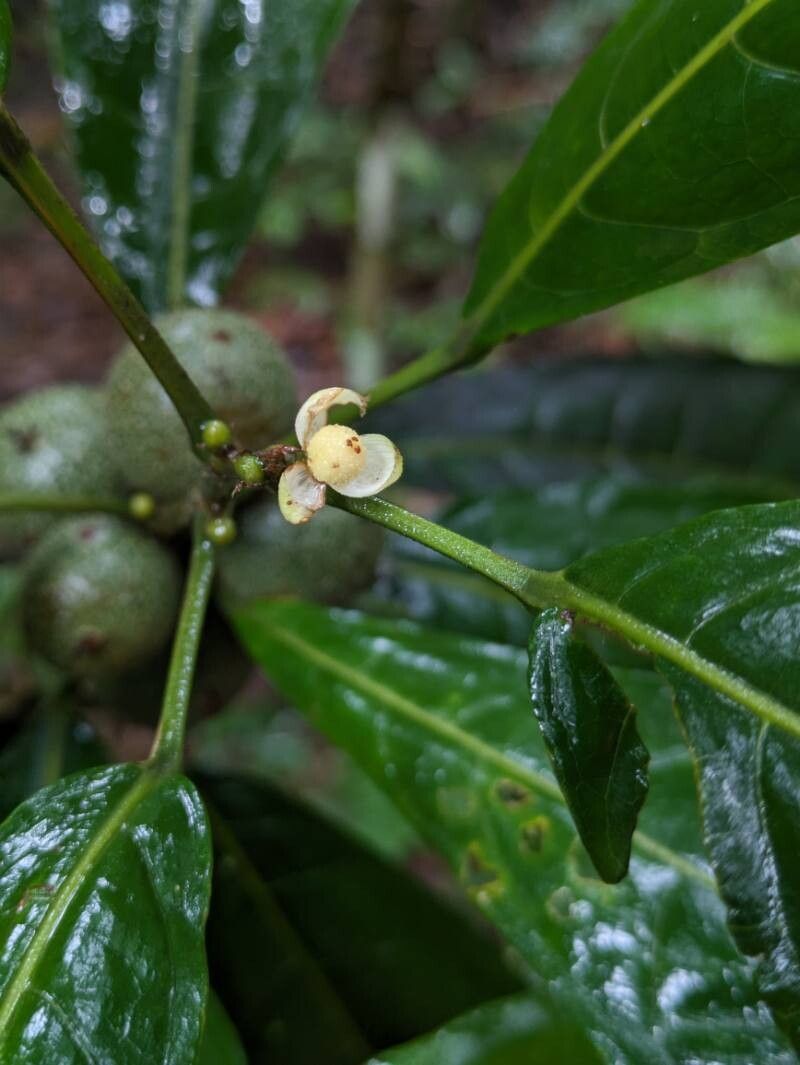
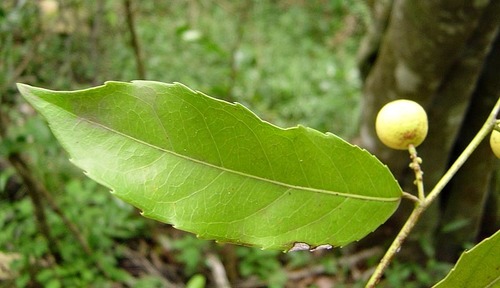
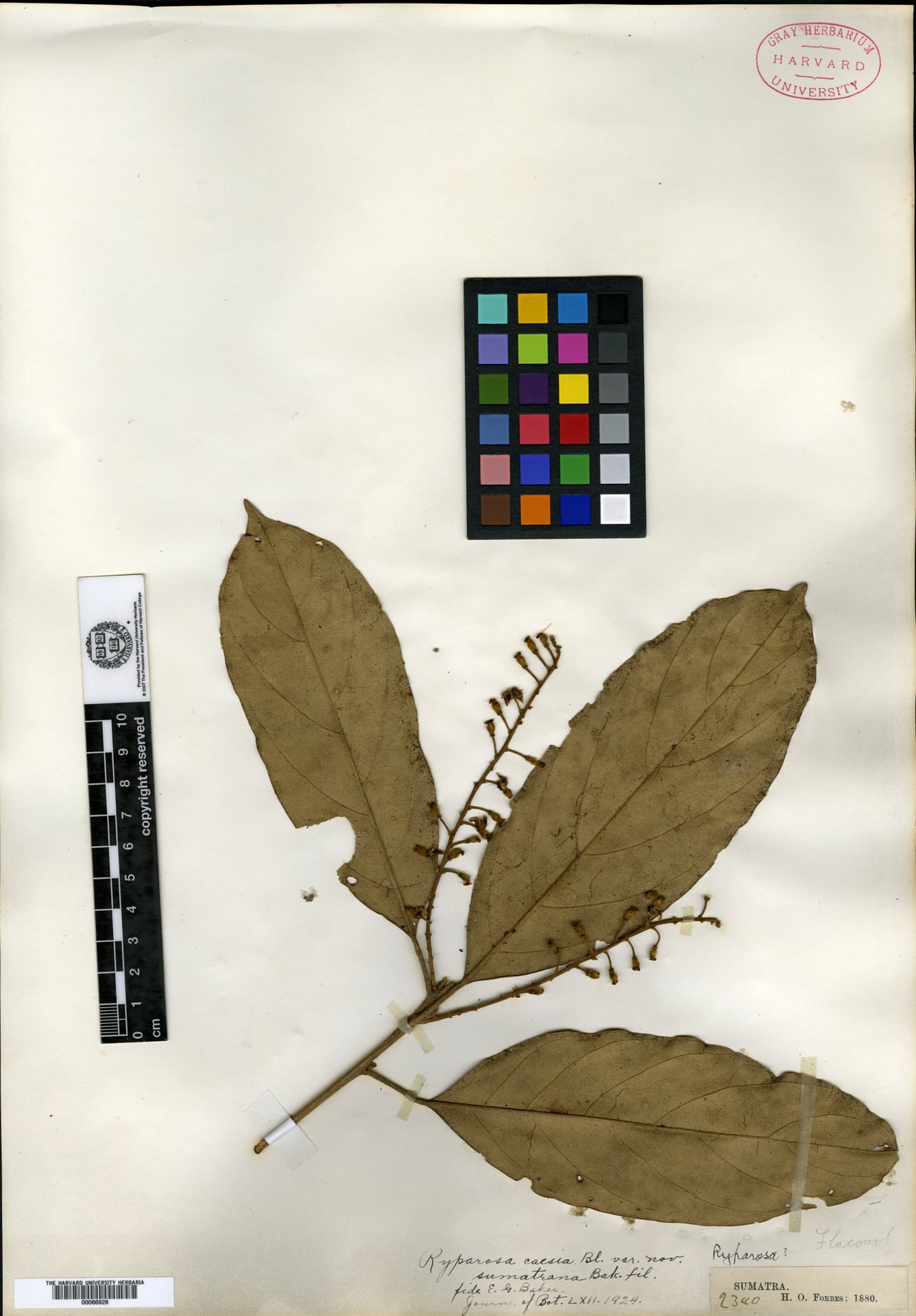
A small tree. It grows 5-15 m tall. The young branches have rusty hairs. The leaves are oval to oblong and can be curved. There are 2-4 flowers in a group. The fruit is an oval capsule. It is hairy.
Medicinal Uses
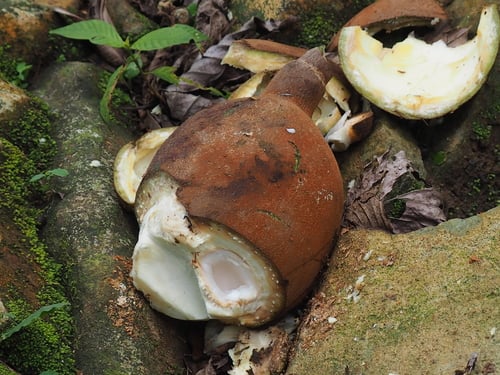
The oil-rich seeds contain high concentrations of the cyclopentenyl fatty acid chaulmoogric acid and hydnocarpic acid. These are the most medically active components in chaulmoogra oil (obtained from various Hydnocarpus species) and commonly used in the treatment of a wide range of skin problems, including leprosy. The ovoid fruit is around 35 - 60mm long and 25mm wide, containing 2 - 7 seeds each around 15mm long and 10mm wide.
Known Hazards
Although we have seen no specific information for this species, the seeds of many members of this genus contain cyanogetic glycosides. In very small quantities this has been used medicinally, having been shown to stimulate respiration and improve digestion, it is also claimed to be of benefit in the treatment of cancer. In excess, however, it can cause respiratory failure and even death.
Distribution
It is a tropical plant. It grows on clay soils.
Where It Grows
Asia, Indonesia, Malaysia, Philippines, SE Asia,
Cultivation
Plants can be grown by seeds.
Propagation
Seed - best sown as soon as it is ripe, when it will usually germinate quickly. Germination of stored seed can be slow, with some species in the genus taking up to 2 years. Sow the seed in a shaded position in a nursery seedbed and keep moist. Grow on the seedlings in shade until large enough to plant out.
Notes
Also put in the Flacourtiaceae family.
Also Known As
Pohon setumpul daunsabit
References (1)
- Sukarya, D. G., (Ed.) 2013, 3,500 Plant Species of the Botanic Gardens of Indonesia. LIPI p 333 (as subfalcatus)