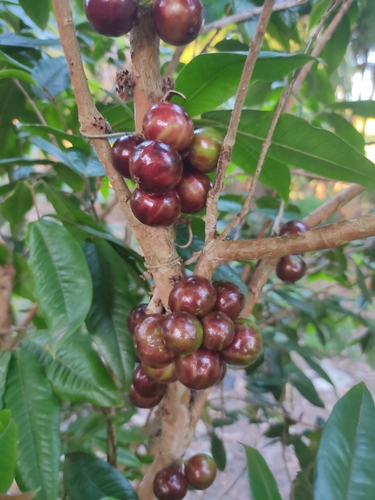
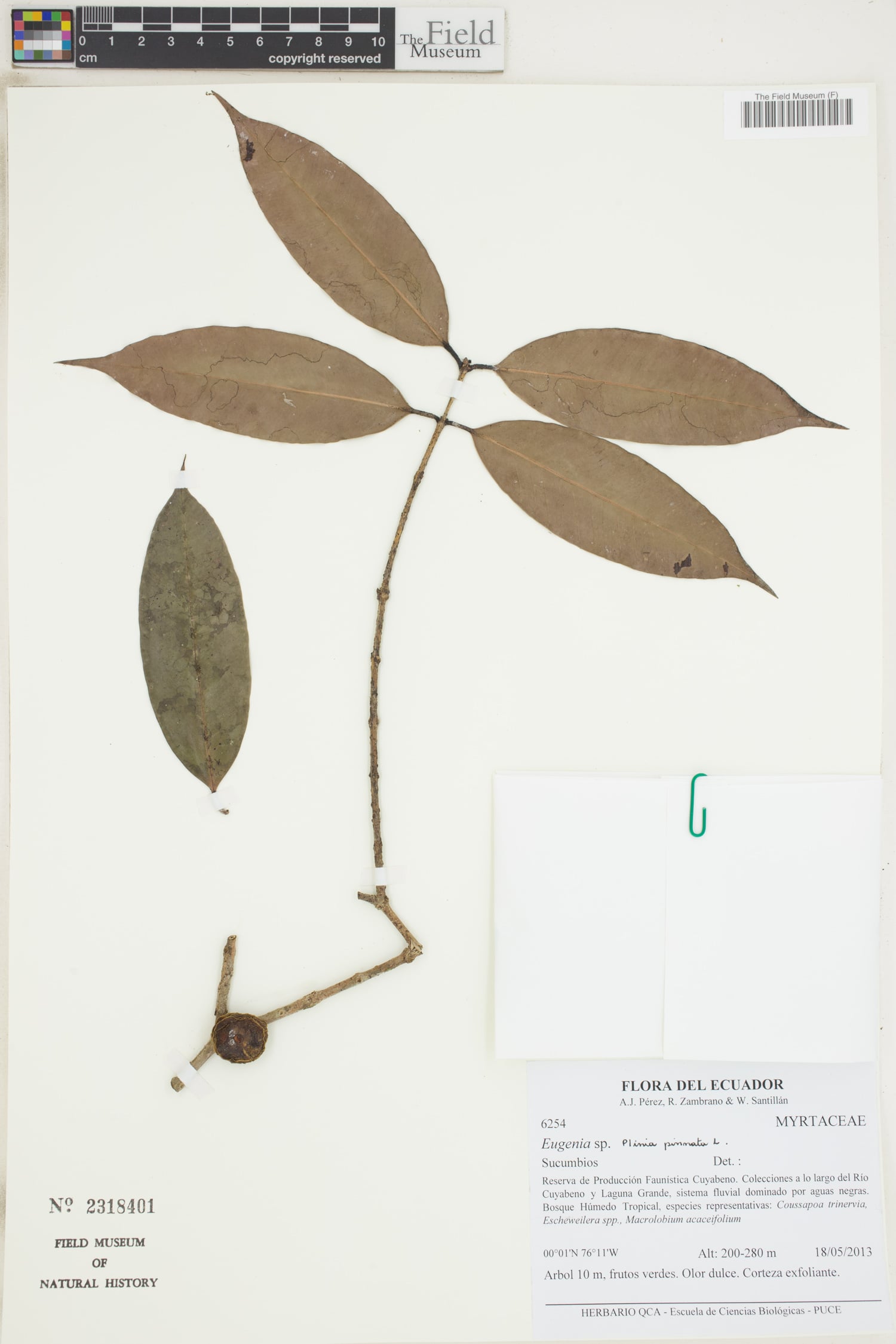
Eugenia paniculata
Gaertn., nom. inval.
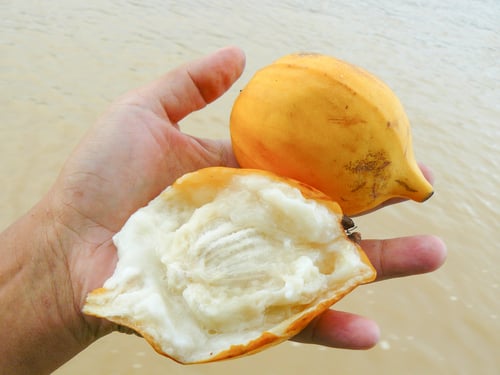
iNaturalist· cc-by-nc
(c) Robert McKee, some rights reserved (CC BY-NC)
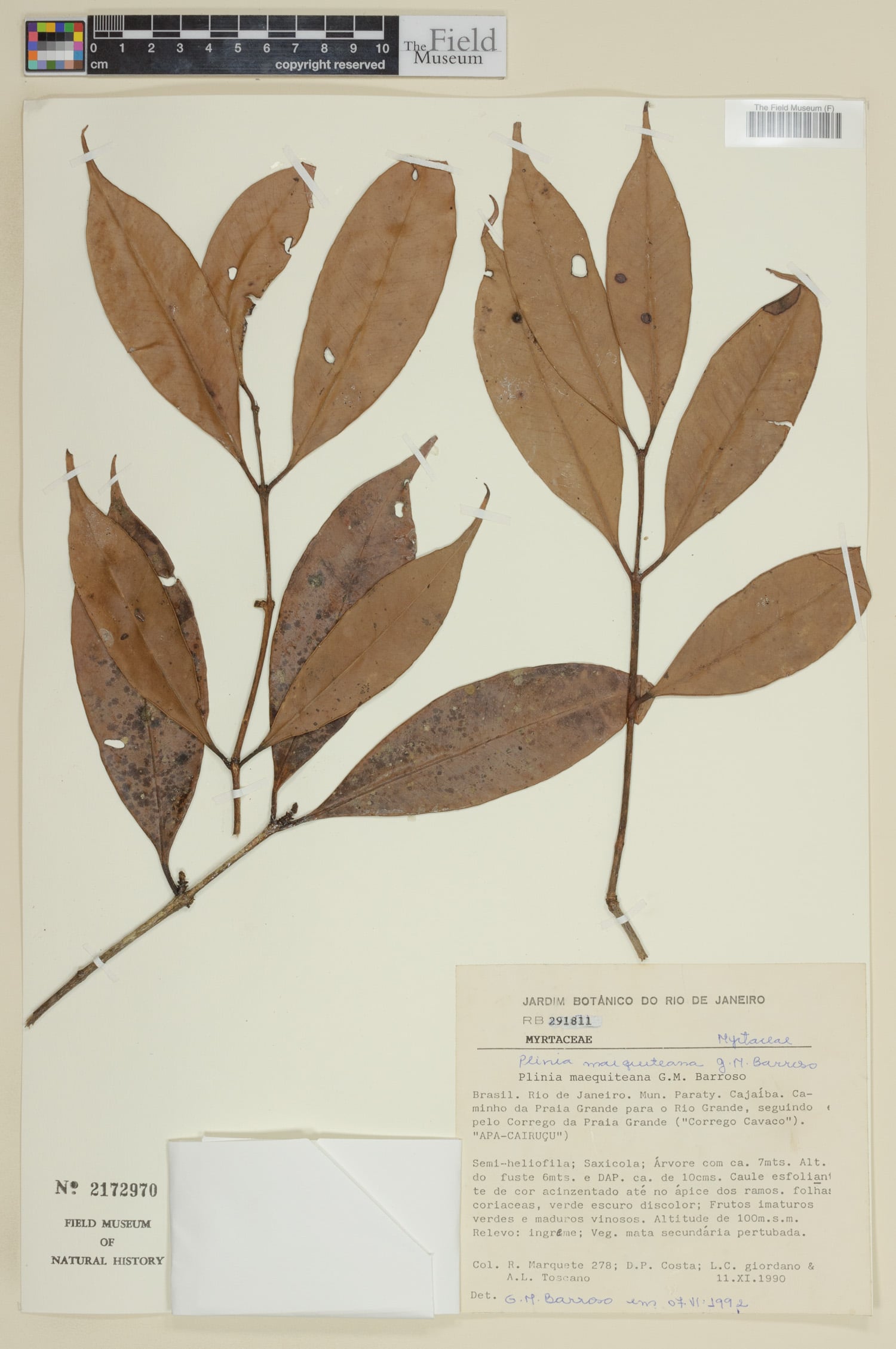
iNaturalist· cc-by-nc
(c) Melissa Gunn, some rights reserved (CC BY-NC)
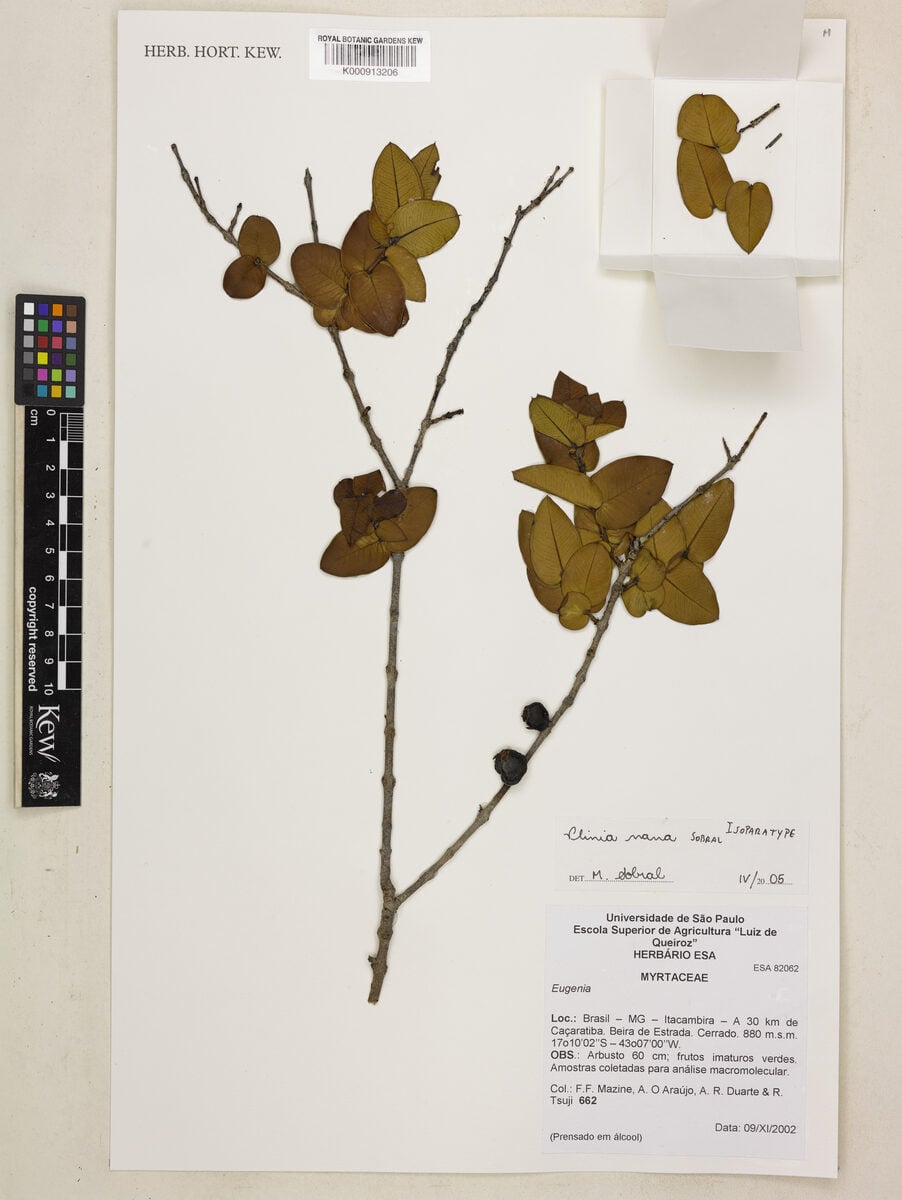
iNaturalist· cc-by
(c) GERMAN LEONEL SARMIENTO CRUZ, some rights reserved (CC BY)
Description
A tropical tree in the Myrtaceae family, part of a genus of about 550 species mostly distributed across tropical and subtropical South America.
This description is brief — help expand it
Edible Uses
It is commonly cultivated in eastern Australia and elsewhere. Well known as an edible wild fruit with a pleasantly sour apple-like flavour, it is eaten fresh or cooked into jams. The 1889 book 'The Useful Native Plants of Australia’ records that the synonymous Eugenia myrtifolia had common names including brush cherry and native myrtle. It also stated that "The red juice of the fruit of this tree is similar in its properties to that of red grapes. It contains free tartaric acid, cream of tartar, sugar, and red colouring matter very sensitive to the action of acids and alkalies. By fermentation it yields wine possessing a bouquet. The colouring matter, which is soluble in alcohol and ether-alcohol, but not in pure ether, is precipitated by lead-acetate, decolourised by reducing agents, and recovers its red colour on exposure to the air, just like litmus and the red colour of wine (De Luca and Ubaldini, in Watfs' Did., vi., ist Supp., 608.)." Syzygium paniculatum is commonly confused with Syzygium australe, the brush cherry.
Distribution
It is a tropical plant.
Notes
There are about 550 Eugenia species. They are mostly in tropical and subtropical South America.
References (1)
- Fruct. sem. pl. 1:167. 1788, pro syn.