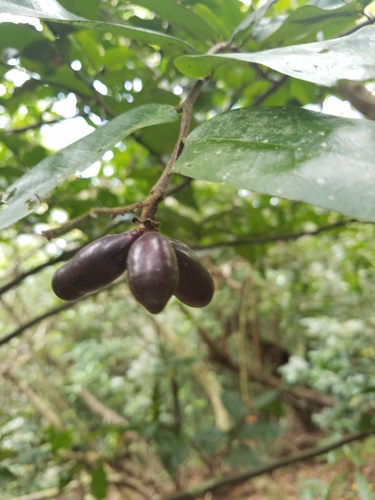
Dennettia tripetala
Baker f.
Pepper fruit
iNaturalist· cc-by
(c) udehb, some rights reserved (CC BY)
iNaturalist· cc-by-nc
(c) Eniang Inemesit Edem, some rights reserved (CC BY-NC)
Description
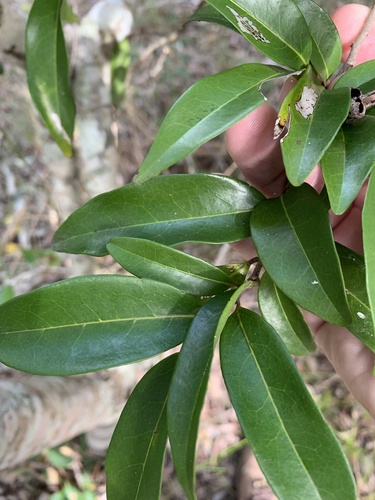
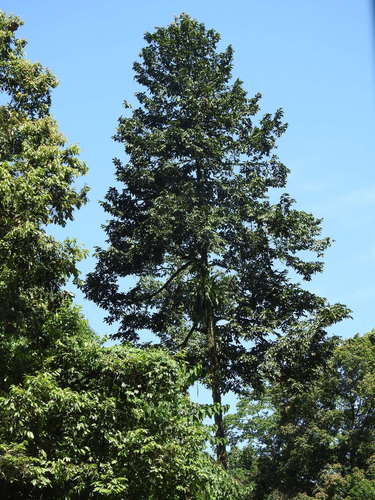
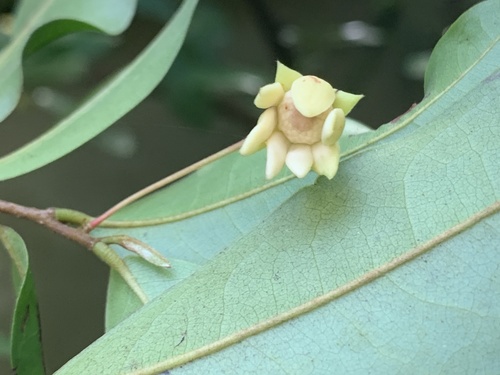
A shrub or medium sized tree. It grows to 15 m high. Fruit are green but turn red when ripe.
This description is brief — help expand it
Edible Uses
The young leaves and fruit have a distinctive spicy taste and are used in sauces and to flavour food. The fruit are eaten raw and the seeds are used as a spice. Fruit are sold in local markets.
Traditional Uses
The young leaves and fruit have a distinctive spicy taste. They are used in sauces and to flavour food. The fruit are eaten raw.
This uses section is brief — help expand it
Medicinal Uses
The leaves of D. tripetala may be dried and kept for a very long time without succumbing to microbial growth. U. tripetala fruits can be used as food and herbs to make herbal remedies, according to Okwu and Morah. The pepper fruit's fruits, leaves, and roots are all used in traditional medicine preparations. Pepper fruit find wide use among traditional remedies in West Africa. Health claims that have been researched include: Postnatal care: Achinewhu et al. (1995), investigated the use of pepper fruit seeds in food given to new mothers to help the uterus contract. Bactericidal properties: A 2013 study by Ogbonna et al. investigated the value of U tripetala seed extract for both bactericidal and bacteriostatic applications. The seed extract may be useful to stop the growth of bacteria and other microorganisms. Anti-inflammatory: Oyemitan et al., investigated the pepper fruit's essential oil for its analgesic and anti-inflammatory characteristics. Antimicrobial: Aderogba et al. investigated the antimicrobial properties of U. tripetala. Anosike et al., (2016) evaluated the anti-ulcer ability of ethanol extract from pepper fruit seed extract. Glaucoma: Timothy and Okere researched the use of pepper fruit to lower intraocular pressure (IOP) in glaucoma patients.
Distribution
A tropical plant. It grows in rainforests and sometimes in savannah forests. It suits humid locations. It can be in mangroves.
Where It Grows
Africa, Benin, Cameroon, Central Africa, Côte d'Ivoire, Ghana, Ivory Coast, Liberia, Nigeria, Sierra Leone, Togo, West Africa,
Cultivation
Plants are grown from seed.
Other Information
It is a culturally important spice. Fruit are sold in local markets. It is a cultivated plant.
Notes
There is only one Dennetia species. It is used in medicine and has been shown to help diabetes.
Synonyms
Also Known As
Ako, Igberi, Mmimi, Nmimi, Nkarika, Opipi
References (14)
- Aniama, S. O., et al, 2016, Ethnobotanical documentaton of some plants among Igala people of Kogi State (Nigeria). The International Journal Of Engineering And Science (IJES). 5(4) pp 33-42
- Burkill, H. M., 1985, The useful plants of west tropical Africa, Vol. 2. Kew.
- Dalziel, J. M., 1937, The Useful plants of west tropical Africa. Crown Agents for the Colonies London.
- FAO Corporate Document Repository. The Major Significance of 'Minor' Forest Products. Appendix 3
- Grivetti, L. E., 1980, Agricultural development: present and potential role of edible wild plants. Part 2: Sub-Saharan Africa, Report to the Department of State Agency for International Development. p 32
Show all 14 references Hide references
- Keay, R.W.J., 1989, Trees of Nigeria. Clarendon Press, Oxford. p 24
- Kuhnlein, H. V., et al, 2009, Indigenous Peoples' food systems. FAO Rome p 262
- Meregini, O. A., 2005, Some endangered plants producing edible fruits and seeds in Southeastern Nigeria. Fruits, Vol. 60 pp 211-220
- Okigbo, B.N., Vegetables in Tropical Africa, in Opena, R.T. & Kyomo, M.L., 1990, Vegetable Research and development in SADCC countries. Asian Vegetable Research and development Centre. Taiwan. p 38
- Okwu, D., and Morah, F., 2004, Mineral and nutritive value of Dennettia tripetala. Fruits, Vol. 59, p. 437-442
- Peters, C. R., O'Brien, E. M., and Drummond, R.B., 1992, Edible Wild plants of Sub-saharan Africa. Kew. p 54
- Seidemann J., 2005, World Spice Plants. Economic Usage, Botany, Taxonomy. Springer. p 134
- Vivien, J., & Faure, J.J., 1996, Fruitiers Sauvages d'Afrique. Especes du Cameroun. CTA p 42
- World Checklist of Useful Plant Species 2020. Royal Botanic Gardens, Kew (As Uvariopsis tripetala)