Asimina tetramera
Small
Four-petalled pawpaw
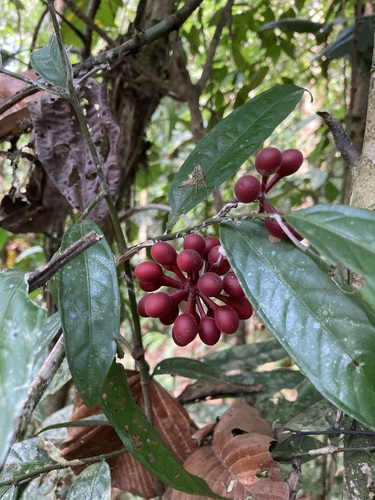
iNaturalist· cc-by-nc
(c) mtolbert, some rights reserved (CC BY-NC)
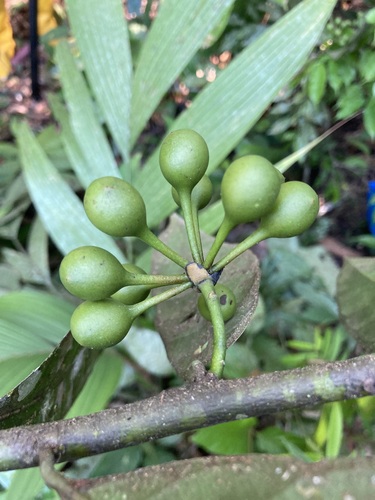
iNaturalist· cc-by-nc
(c) Sarah Wetterer, some rights reserved (CC BY-NC), uploaded by Sarah Wetterer
iNaturalist· cc-by-nc
(c) Sarah Wetterer, some rights reserved (CC BY-NC), uploaded by Sarah Wetterer
Summary
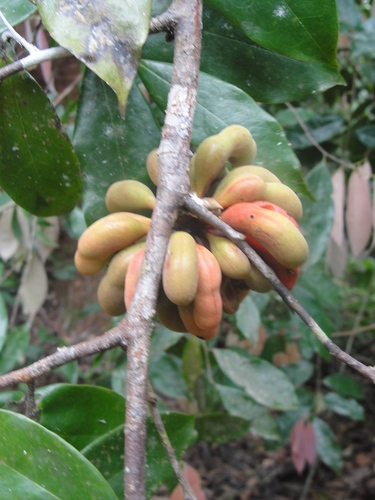
Source: WikipediaAsimina tetramera, commonly known as the four-petal pawpaw, is a rare species of small tree or perennial shrub endemic to Martin and Palm Beach Counties in the state of Florida. The species is currently listed as endangered under the Endangered Species Act and as endangered by the International Union for Conservation. The four-petal pawpaw is part of the family Annonaceae alongside other Asimina species. A. tetramera grows to between 1 and 3 meters tall with one or more branches. Mature flowers are maroon with some pink streaks and the fruit is yellow-green. It usually has six petals and four sepals. It lives exclusively in sand pine scrub habitat on the Atlantic Coastal Ridge. A. tetramera is pollinated primarily by beetles which feed on tissue on the surface of its stamens and on the inner surface of its petals. A. tetramera is a fire adapted species. The shrub grows best without the presence of a taller plant canopy shading it. A wildfire may remove these plant canopies to allow for the four-petal pawpaw to flourish. With the return of a shading canopy, the plant growth slows. The removal of the above-ground parts of the plant allows it to grow after a disturbance such as wildfire. The small range of A. tetramera has been threatened by habitat loss and fire suppression for decades. Human development and disruptive activities has removed suitable land where the species can live. Also, the prevention of wildfires in Florida has limited its ability to grow and reproduce. Work is being done to protect and restore the four-petal pawpaw and its habitat. By protecting existing populations, performing controlled burns, and planting new A. tetramera within its native range, conservationists hope to prevent this rare shrub from going extinct.
Description
Asimina tetramera is a small subtropical shrub in the Annonaceae family.
This description is brief — help expand it
Edible Uses
The fruit is edible.
Known Hazards
Asimina tetramera was first proposed as an endangered species under the Endangered Species Act (ESA) on November 1, 1985. It was officially listed on September 26, 1986, and its protection under the ESA went into effect on October 27, 1986. The original report proposing A. tetramera endangerment status argued that the species "is threatened by destruction of its habitat or commercial and residential construction, and by successional changes in habitat". It mentions that the Secretary of the Smithsonian Institution was ordered through the ESA to make reports on plant species that may be threatened or endangered. Although A. tetramera was included in the report (in 1975), its proposal to be labeled an endangered species "expired" before it could be approved. Reasons given for why the four-petal pawpaw should be listed as endangered include: (A) Active destruction and disturbance of its habitat/range, (D) Inadequate regulation practices, especially in terms of habitat protection, and (E) Other threats, such as lack of wildfires to promote sprouting and reproduction. Sections B and C (overutilization and disease/predation) were not considered as threats to A. tetramera. Under the ESA, the four-petal pawpaw is protected through rules that protect its critical habitat, the prevention of any activity that would harm the plant or its habitat, the creation of conservation/restoration plans, and funding for such actions.
Distribution
It is a subtropical plant.
Notes
There are 7 or 8 Asimina species.
Synonyms
References (1)
- Torreya 26:56. 1926