Ziziphus joazeiro
Mart.
Jujube, Joazeiro
iNaturalist· cc-by-nc
(c) HERCULES HENRIQUE GOMES DA SILVA, some rights reserved (CC BY-NC)
iNaturalist· cc-by-nc
(c) HERCULES HENRIQUE GOMES DA SILVA, some rights reserved (CC BY-NC)
iNaturalist· cc-by-nc
(c) HERCULES HENRIQUE GOMES DA SILVA, some rights reserved (CC BY-NC)
Description
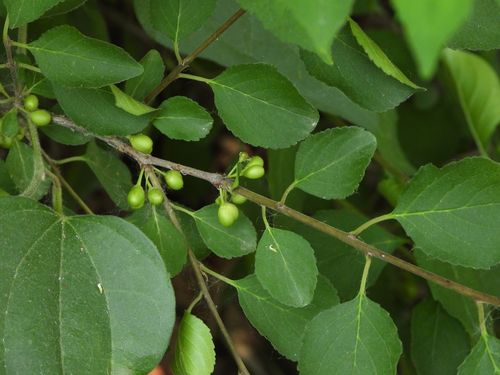
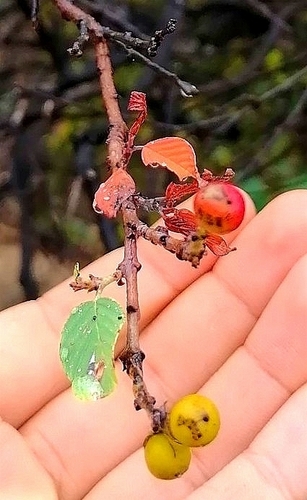
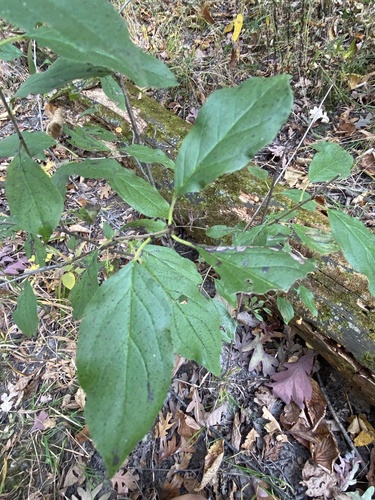
A spiny tree. It grows 5-10 m high. The trunk is short and 30-50 cm across. The bark is grey and rough. The crown is round and dense. The stems and branches spread out horizontally. The leaves are thin and simple and rigid. The veins are easy to see on the top of the leaf. The leaves are 5-10 cm long and 3-6 cm wide. The fruit is round and yellow and fleshy with a stone inside. The pulp is thick, sweet and fleshy. It is a non suckering plant and can therefore be used as a rootstock for Jujube. Possible now Sarcomphalus joazeiro (Mart.) Hauenschild.
Edible Uses
The ripe fruits are eaten fresh and are notably rich in vitamin C.
Traditional Uses
The fruit are eaten fresh.
This uses section is brief — help expand it
Distribution
A tropical plant. It grows in arid areas.
Where It Grows
Argentina, Bolivia, Brazil*, Central America, Honduras, Paraguay, South America,
Cultivation
The plants are grow from seed. The ripe fruit are harvested. The seeds are removed from the fruit, washed in running water then dried in the shade. Seeds only stay viable for about 5 months. Seeds germinate in 70-100 days. The seedlings are transplanted into the field after 8-9 months.
Production
Plants grow slowly. The grow 2 m tall in 2 years.
Other Information
It is a cultivated fruit tree. Fruit are enjoyed.
Notes
The fruit are rich in Vitamin C.
Nutrition
| Part | Moisture | kJ | kcal | Protein | Vit A | Vit C | Iron | Zinc |
|---|---|---|---|---|---|---|---|---|
| Fruit | — | 96 | 2.2 | — | — | — | — | — |
Synonyms
Also Known As
Joa, Jua, Jua-espinho, Jua-fruta, Juazeiro, Laranjeira-de-vanqueiro
References (20)
- Bussmann, R. W., (Ed.), 2020, Biodiverse food plants in the semiarid region of Brazil have unknown potential: A systematic review. Plos ONE 15(5): e0230936
- Facciola, S., 1998, Cornucopia 2: a Source Book of Edible Plants. Kampong Publications, p 191
- Fagg, C. W. et al, 2015, Useful Brazilian plants listed in the manuscripts and publications of the Scottish medic and naturalist George Gardner (1812–1849). Journal of Ethnopharmacology 161 (2015) 18–29
- Grandtner, M. M. & Chevrette, J., 2013, Dictionary of Trees, Volume 2: South America: Nomenclature, Taxonomy and Ecology. Academic Press p 714
- Hedrick, U.P., 1919, (Ed.), Sturtevant's edible plants of the world. p 705
Show all 20 references Hide references
- Hermandez Bermejo, J.E., and Leon, J. (Eds.), 1994, Neglected Crops. 1492 from a different perspective. FAO Plant Production and Protection Series No 26. FAO, Rome. p17
- INFOODS:FAO/INFOODS Databases
- Kermath, B. M., et al, 2014, Food Plants in the Americas: A survey of the domesticated, cultivated and wild plants used for Human food in North, Central and South America and the Caribbean. On line draft. p 941
- Lorenzi, H., 2002, Brazilian Trees. A Guide to the Identification and Cultivation of Brazilian Native Trees. Vol. 01 Nova Odessa, SP, Instituto Plantarum p 315
- Lorenzi, H., Bacher, L., Lacerda, M. & Sartori, S., 2006, Brazilian Fruits & Cultivated Exotics. Sao Paulo, Instituto Plantarum de Estuados da Flora Ltda. p 278
- Lucena de, R. F. P, et al, 2008, Local Uses of Native, Plants in an Area of Caatinga Vegetation (Pernambuco, NE Brazil) Ethnobotany Research and Applications. Vol. 6:3-13
- Nascimento, V. T. D., et al, 2013, Knowledge and Use of Wild Food Plants in Areas of Dry Seasonal Forests in Brazil. Ecology of Food and Nutrition, 52:317–343
- Nunes, E. N., et al, 2018, Local botanical knowledge of native food plants in the semiarid region of Brazil. Journal of Ethnobiology and Ethnomedicine (2018) 14:49
- NYBG herbarium "edible"
- Oliviera V. B., et al, 2012, Native foods from Brazilian biodiversity as a source of bioactive compounds. Food Research International 48 (2012) 170-179
- Plant Ecology - Reviews of Research. 1955, Arid Zone Research VI. UNESCO p 97
- Spix & C. Martius, Reise Bras. 2:581. 1828
- Uphof,
- World Checklist of Useful Plant Species 2020. Royal Botanic Gardens, Kew (As Sarcomphalus joazeiro)
- www.colecionandofrutas.org