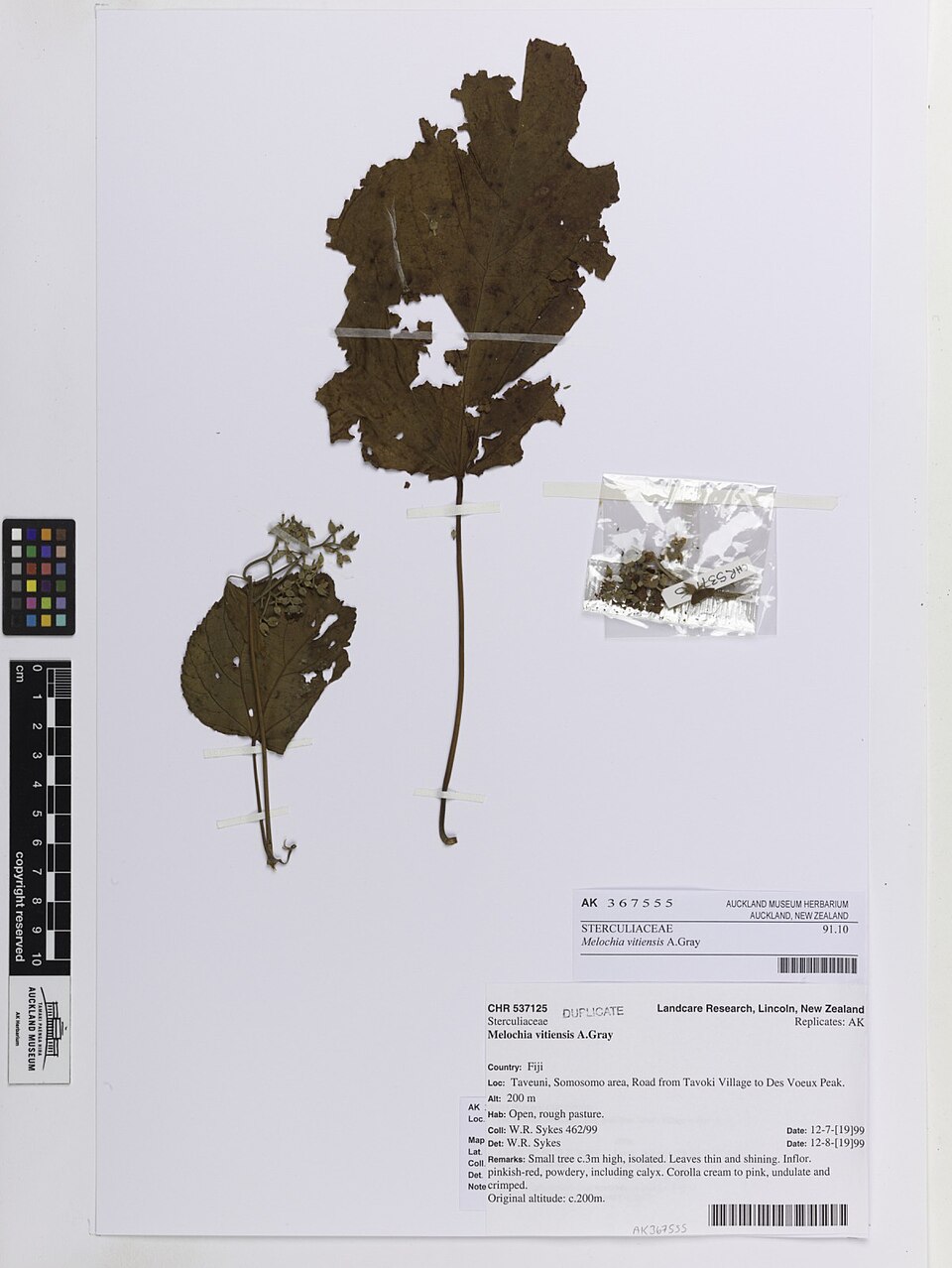
Firmiana fulgens
(Wall. ex Mast.) K. Schum.
Pale sterculia
gbif· cc0
President and Fellows of Harvard College
gbif· cc0
President and Fellows of Harvard College
Description
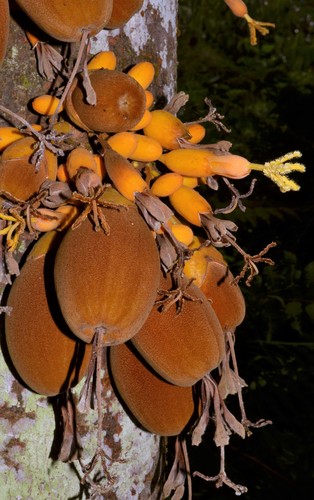
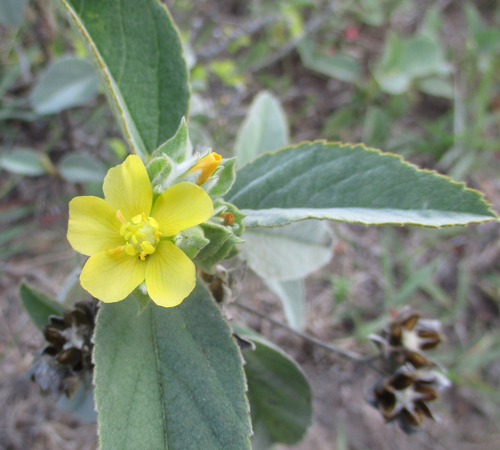
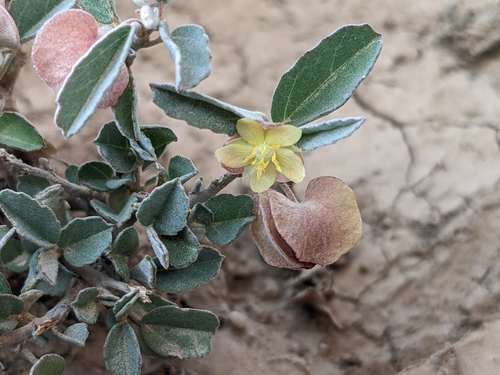
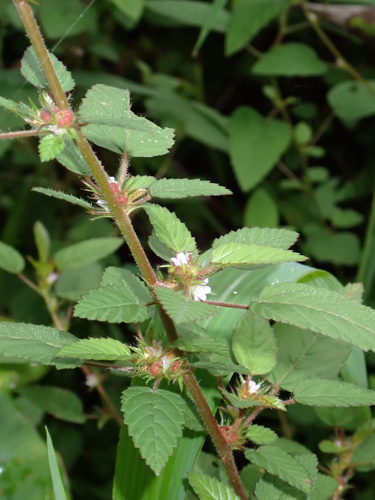
A medium sized tree. It often loses its leaves. The leaves are 10 cm long and have 3 lobes. They have hairs on both surfaces. The leaf stalk is 8-9 cm long. The flowers appear before the leaves. The flowers are bright yellow. The fruit is a many seeded dry fruit which opens down one side. The fruit has 5 sections. They are narrowly oval and 7-9 cm long by 2-3 cm wide. There is one seed in each section. The seeds are oval and 1 cm long by 6-8 mm wide.
Edible Uses
The seeds are eaten, as are the root tubers, particularly from young trees.
Traditional Uses
The seeds are eaten. The root tubers are eaten. The root of the young tree is used.
This uses section is brief — help expand it
Distribution
It is a subtropical plant. In Sikkim it grows between 500-900 m above sea level. It grows in sunny locations and in limestone areas.
Where It Grows
Asia, Bangladesh, Central America, China, Costa Rica, Himalayas, India, Indonesia, Malaysia, Myanmar, Nepal, Northeastern India, Pakistan, SE Asia, Sikkim, Sri Lanka, Thailand, Vietnam,
Cultivation
It can be grown by seeds or cuttings.
Notes
Also put in the family Sterculiaceae.
Synonyms
Also Known As
Kaphal, Khardala, Labshi, Pohon iwil-iwil
References (7)
- Ambasta, S.P. (Ed.), 2000, The Useful Plants of India. CSIR India. p 205 (As Erythropsis pallens)
- Flora of Pakistan. www.eFloras.org (As Firmiana pallens)
- Savita, et al, 2006, Studies on wild edible plants of ethnic people in east Sikkim. Asian J. of Bio Sci. (2006) Vol. 1 No. 2 : 117-125 (As Firmiana pallens)
- Singh, H.B., Arora R.K.,1978, Wild edible Plants of India. Indian Council of Agricultural Research, New Delhi. p 85 (As Sterculia pallens)
- Singh, V. B., et al, (Ed.) Horticulture for Sustainable Income and Environmental Protection. Vol. 1 p 220 (As Erythropsis pallens syn Sterculia pallens)
Show all 7 references Hide references
- Sundriyal, M., et al, 1998, Wild edibles and other useful plants from the Sikkim Himalaya, India. Oecologia Montana 7:43-54 (As Sterculia fulgens and Sterculia pallens)
- Swaminathan, M.S., and Kochnar, S.L., 2007, An Atlas of Major Flowering Trees in India. Macmillan. p 63 (As Firmiana pallens)