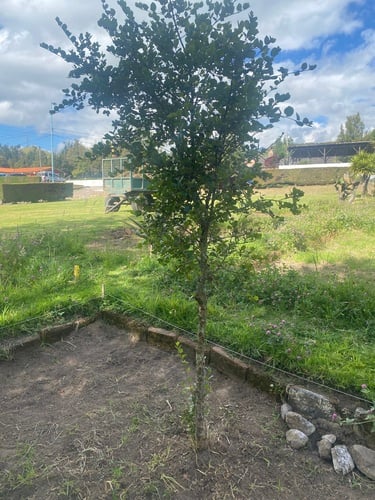
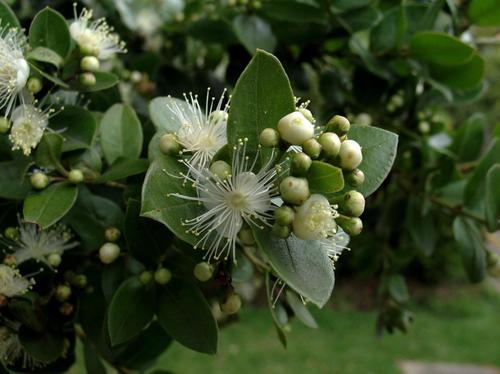
Syzygium salicifolium
(Wight) J. Graham
Kath jamun
iNaturalist· cc-by
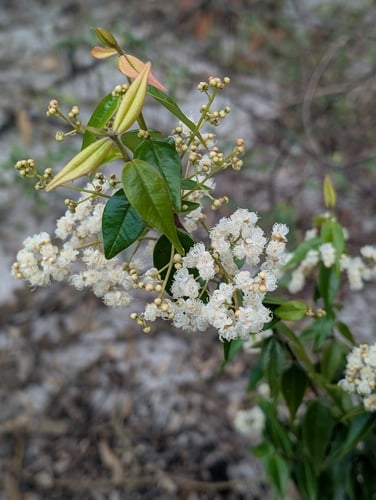
(c) Siddarth Machado, some rights reserved (CC BY), uploaded by Siddarth Machado
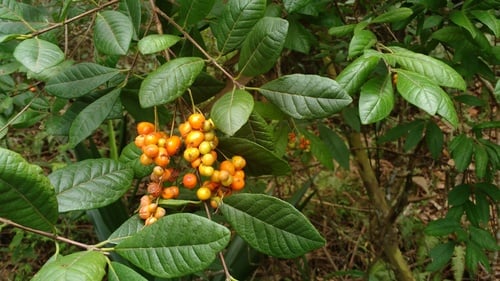
iNaturalist· cc-by-sa
(c) Dinesh Valke, some rights reserved (CC BY-SA)
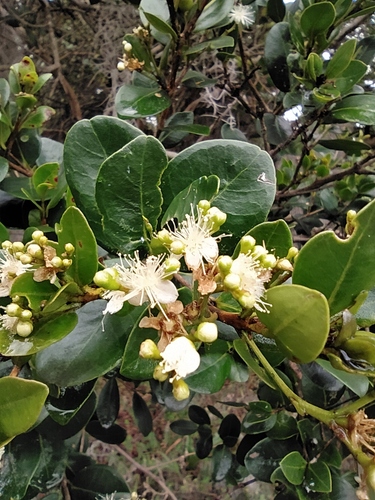
iNaturalist· cc-by-sa
(c) Dinesh Valke, some rights reserved (CC BY-SA)
Summary
Source: WikipediaSyzygium salicifolium is a species of the genus Syzygium of the flowering plant family Myrtaceae, commonly called "Vellamanchi" in Malayalam. It is commonly seen in evergreen forests. It is endemic to Western Ghats.
Description
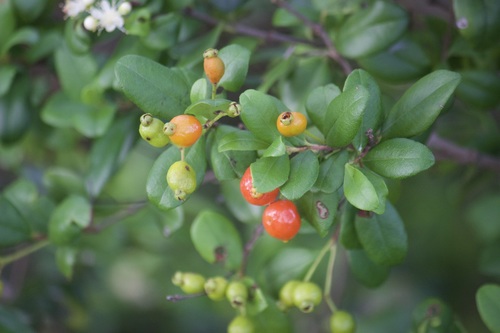
A large evergreen shrub or small tree. It grows 10 m tall. The bark is rough and grey brown. The young branches are 4 sided. The leaves are simple and opposite. They are 10 cm long by 2.5 cm wide. They are oblong to sword shaped. The flowering shoots are usually from the scars where leaves have fallen. Flowers are white. The fruit is an oval berry. It is 1 cm long.
Edible Uses
The ripe fruit are eaten.
Traditional Uses
The ripe fruit are eaten.
This uses section is brief — help expand it
Distribution
A tropical plant. It grows in the beds of rivers and streams.
Where It Grows
Asia, Himalayas, India,
Cultivation
Plants are grown by seeds.
Synonyms
Also Known As
Chhata-jamukoli, Chinna neredu, Jamti, Kathjamun, Pan jambhul, Simpi nerale, Vallamanchi
References (7)
- Ambasta, S.P. (Ed.), 2000, The Useful Plants of India. CSIR India. p 614 (As Syzygium heyneanum)
- Bajpai, O., et al, 2015, Tree species of the Himalayan Terai region of Uttar Pradesh, India: a checklist. Check List 11(4): 1718
- Behera K. K., et al, 2008, Wild Edible Plants of Mayurbhanj District, Orissa, India. J. Econ. Taxon. Bot. Vol. 32 (Suppl.) pp 305-314 (As Syzygium heyneanum)
- Chaudhary, L. B., et al, 2014, Tree Resources of Katerniaghat Wildlife Sanctuary, Uttar Pradesh, India with especial emphasis on Conservation Status, Phenology and Economic Values. International Journal of Environment. 3(1)
- Kala, C. P., 2009, Aboriginal uses and management of ethnobotanical species in deciduous forests of Chhattisgarh state in India. Journal of Ethnobiology and Ethnomedicine. 5:32 (As Eugenia)
Show all 7 references Hide references
- Pullaiah, T., et al, Ethnobotany of India, Volume 1: Eastern Ghats and Deccan.
- Singh, H.B., Arora R.K.,1978, Wild edible Plants of India. Indian Council of Agricultural Research, New Delhi. p 73 (As Syzygium heyneanum)