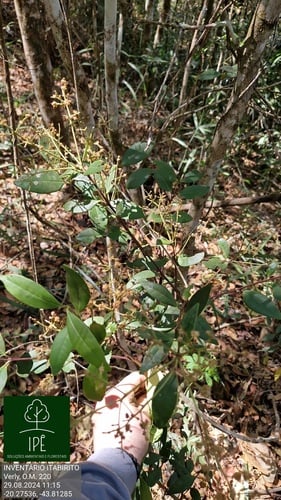
Myrcianthes hallii
(O. Berg) McVaugh
Hall myrcianthes
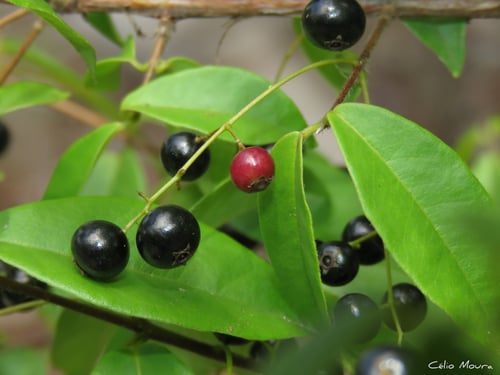
iNaturalist· cc-by-nc
(c) johan0423, some rights reserved (CC BY-NC)
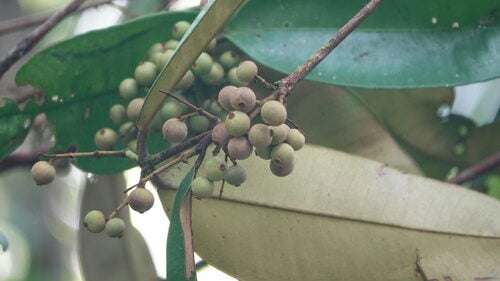
iNaturalist· cc-by-nc
(c) johan0423, some rights reserved (CC BY-NC)
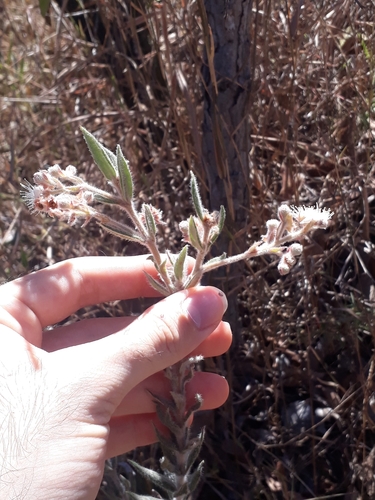
iNaturalist· cc-by-nc
(c) uemas2025, some rights reserved (CC BY-NC)
Description
A cultivated tropical tree in the Myrtaceae family with edible fruit and aromatic leaves.
This description is brief — help expand it
Edible Uses
The leaves are used as a spice in the preparation of champuz (a type of chicha made from ground corn), coladas and sambo sweets (Cucurbita pepo). Fruit
Medicinal Uses
Bathing with the infusion of this species, along with Borago sp., is effective in preventing colds. The fruit is used to heal the navel and treat diarrhea in children. The leaves, infused, are used to heal wounds, treat cavities, bleeding gums, colds, colic, toothache, rheumatism and postpartum conditions. Calms foot pain and treats lung conditions. It is effective in treating night sweat. It is used, along with Lasiocephalus ovatus, Plantago major, Alternanthera lanceolata, Equisetum giganteum, Papaver rhoeas, and two unidentified species, to treat liver disorders.
Distribution
It is a tropical plant.
Where It Grows
Andes, Colombia, Ecuador, Peru, South America, Venezuela,
Other Uses
The infusion of the leaves is used to comb the hair. The leaves, chewed or infused, are used to whiten and harden the teeth and to keep gums in good condition. The hard wood is used for carpentry and also in construction, for flooring, posts etc. The wood is used for fuel The plant is planted as a living fence. The tree is used in reforestation projects.
Other Information
It is cultivated.
Synonyms
Also Known As
Arrayan de castilla
References (4)
- Grandtner, M. M. & Chevrette, J., 2013, Dictionary of Trees, Volume 2: South America: Nomenclature, Taxonomy and Ecology. Academic Press p 435
- Kew Plants of the World Online
- Roa, J. A. G. & Boada, D. S. G., 2018, Fundación para el Fortalecimiento de la Fruticultura y Plantas Alimenticias no Convencionales en Colombia.
- Torre, de la, L., et al, 2008, Enciclopedia de las Plantas Útiles del Ecuador. Herbario QCA. Pontificia Universidad Católica del Ecuador. p 468