Salacia roxburghii
Wall.
Celastraceae Edible: Fruit
gbif· cc-by-nc
Manu Guerrero
gbif· cc-by-nc
Micky Orrey
gbif· cc-by-nc
Micky Orrey
Description
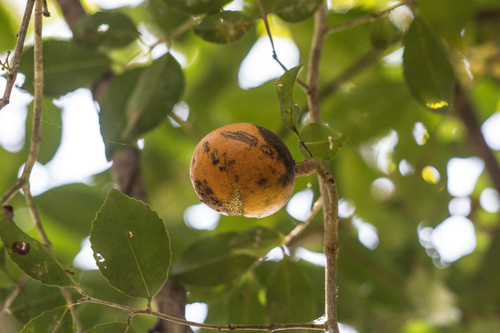
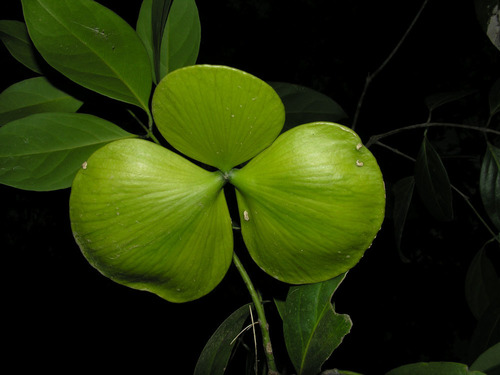
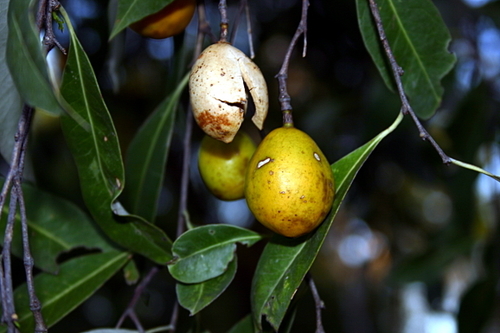
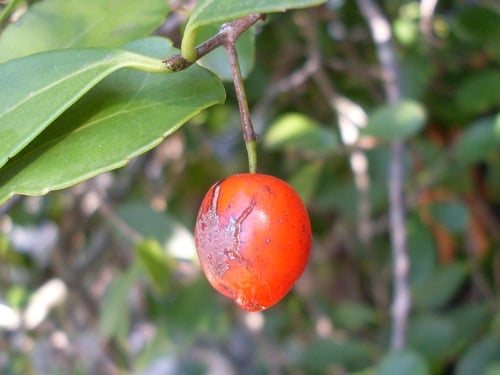
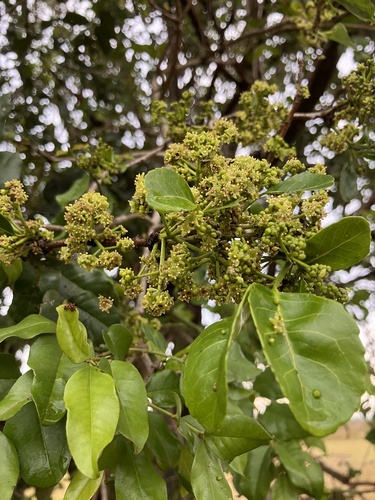
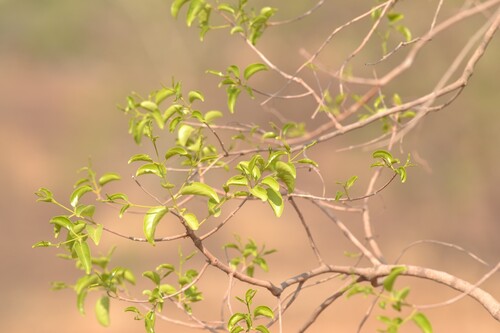
A large woody climber. The bark is thick and dark grey. The leaves are sword shaped and 10-13 cm long by 5-8 cm wide. They have a long leaf stalk. There are many flowers on long stalks. The flowers are greenish yellow. The fruit are dull red. The pulp is white. There are 2-3 cells with a large seed in each.
Edible Uses
The fruit are edible.
Distribution
It is a tropical plant. It grows in open areas and up to 600 m above sea level.
Where It Grows
Asia, India, Myanmar, SE Asia,
Cultivation
Plants can be grown from seeds.
Also Known As
Ainkimbel, Maku-tung-ehung, Salasia roxburgii, Sibrai-etam
References (4)
- Ambasta, S.P. (Ed.), 2000, The Useful Plants of India. CSIR India. p 540
- Hedrick, U.P., 1919, (Ed.), Sturtevant's edible plants of the world. p 589
- Singh, H.B., Arora R.K.,1978, Wild edible Plants of India. Indian Council of Agricultural Research, New Delhi. p 71
- Sukarya, D. G., (Ed.) 2013, 3,500 Plant Species of the Botanic Gardens of Indonesia. LIPI p 967