Bonellia frutescens
(Mill.) B. Stahl & Kallersjo
iNaturalist· cc-by-nc-sa
(c) Mateo Hernandez Schmidt, some rights reserved (CC BY-NC-SA), uploaded by Mateo Hernandez Schmidt
iNaturalist· cc-by-nc
(c) Juan Camilo Muñoz, some rights reserved (CC BY-NC)
iNaturalist· cc-by-nc
(c) Juan Camilo Muñoz, some rights reserved (CC BY-NC)
Description
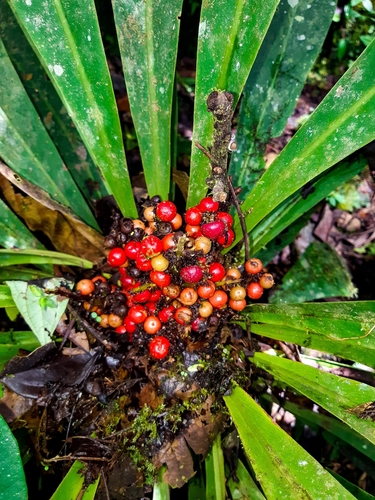
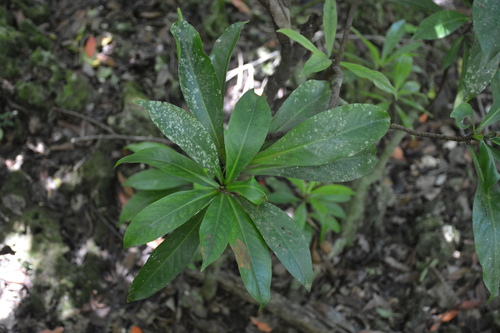
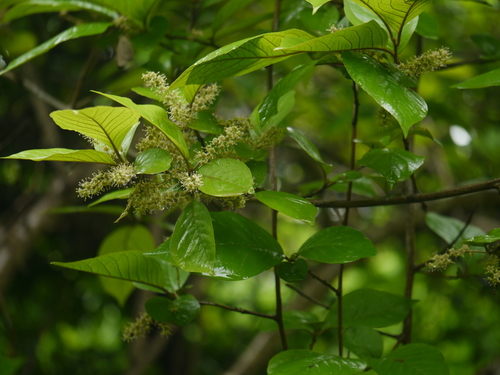
A tree. It grow 8 m tall. The trunk can be 35 cm across. Young shoots and branches have white hairs. The leaves are alternate and 3-6 cm long by 1-2 cm wide. The fruit are oval and dull orange. They are 1-2.5 cm long by 1-1.5 cm wide. There are 3-10 seeds.
Edible Uses
The sweet, fleshy pulp of the fruit is eaten.
Traditional Uses
The pulp of the fruit is sweet and fleshy and eaten.
This uses section is brief — help expand it
Distribution
A tropical plant. It grows from sea level to 700 m above sea level.
Where It Grows
Colombia, South America, Venezuela,
Notes
There are 32 Jacquinia species. They grow in Central America. Also put in the family Theophrastaceae.
Synonyms
Also Known As
Ruutkuu
References (2)
- Hedrick, U.P., 1919, (Ed.), Sturtevant's edible plants of the world. p 361 (As Jacquinia caracasana)
- Kermath, B. M., et al, 2014, Food Plants in the Americas: A survey of the domesticated, cultivated and wild plants used for Human food in North, Central and South America and the Caribbean. On line draft. p 136