Natsiatum herpeticum
Buch.-Ham. ex Arnott
gbif· cc-by
Royal Botanic Gardens, Kew
gbif· cc-by
Royal Botanic Gardens, Kew
Description
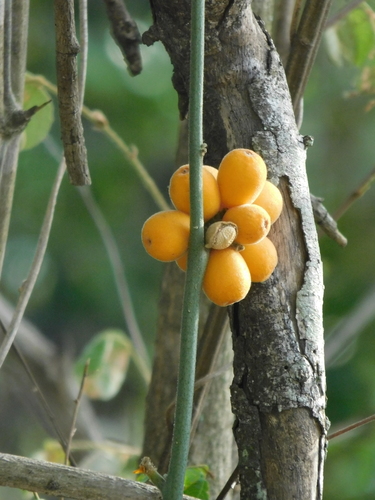
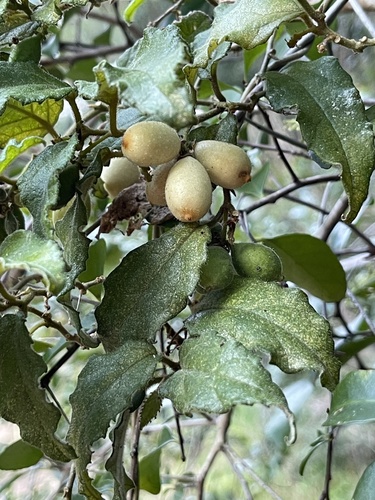
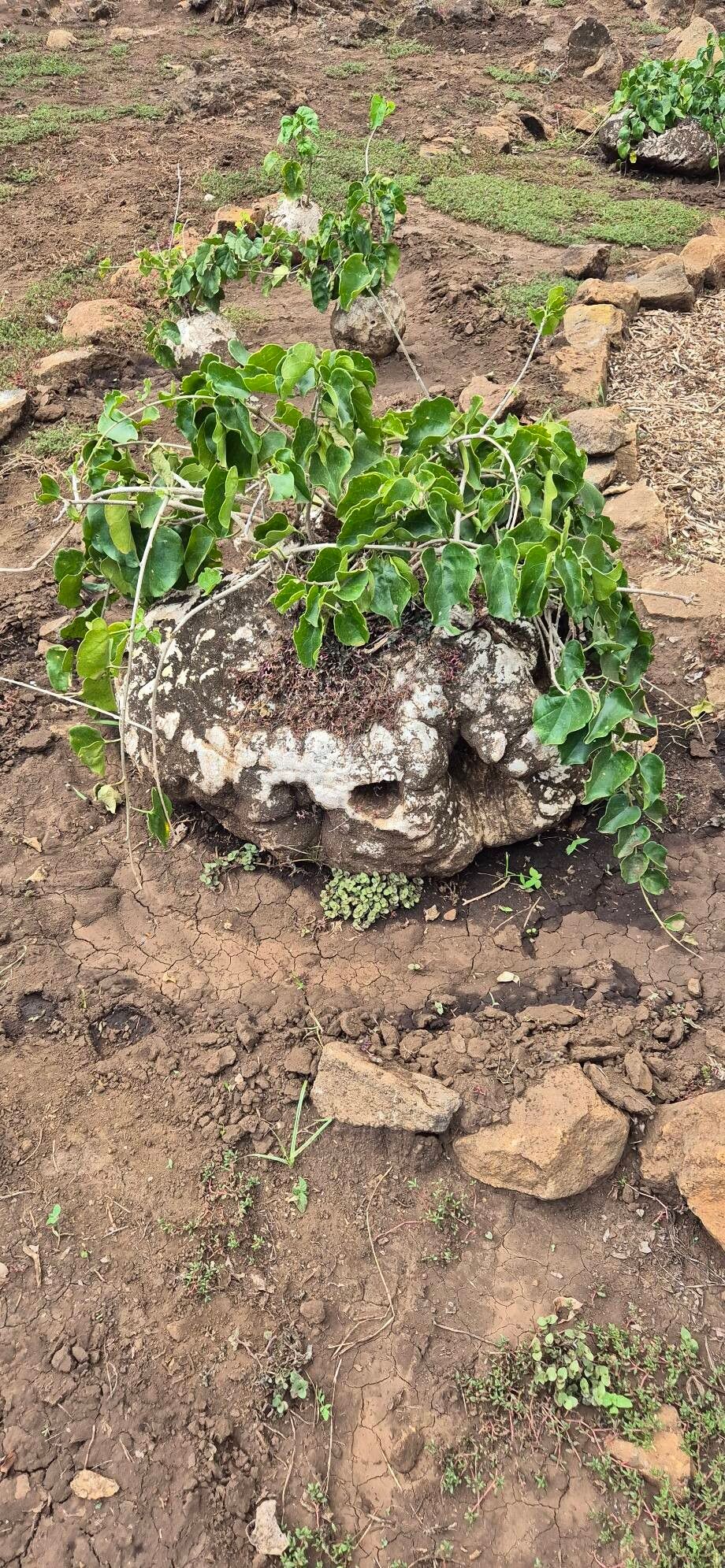
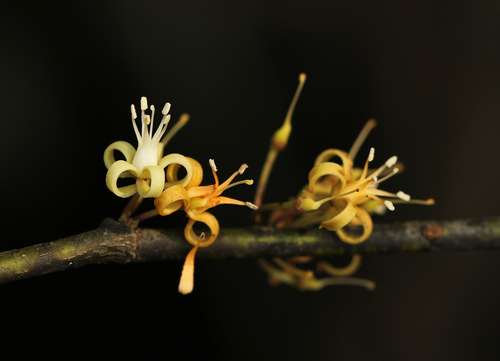
A herb and climber. It has tuberous roots. The shoots have sharp, stiff hairs. The leaves have stalks. The leaves are 7.5-15 cm long by 5-12.5 cm wide. They are broadly oval. They have teeth around the edge and are rough in texture. They have white hairs. The flowers are greenish yellow. The fruit is fleshy with a hard covering over the seed.
Edible Uses
The tender leaves and shoots are cooked as a vegetable or potherb, and are also cooked with fish. It is considered a delicacy.
Traditional Uses
The tender leaves are shoots are cooked as a vegetable. They are eaten as a potherb. They are also cooked with fish.
This uses section is brief — help expand it
Distribution
It is a tropical plant. In Nepal it grows between 250-1400 m altitude. It grows trailing on hedges in sunny places. In southern China it grows in evergreen broad-leaved forests on limestone mountains at about 2,400 m above sea level. In Yunnan.
Where It Grows
Asia, Bangladesh, Bhutan, Himalayas, India, Indochina, Laos, Myanmar, Nepal, Northeastern India, SE Asia, Sri Lanka, Thailand, Vietnam,
Cultivation
Plants are grown from seed.
Other Information
It is considered a delicacy.
Notes
There is only one Natsiatum species.
Synonyms
Also Known As
Kali lahara, Oupat, Sungoo-rik, Target-ruibe
References (10)
- Ambasta, S.P. (Ed.), 2000, The Useful Plants of India. CSIR India. p 392
- Dangol, D. R. et al, 2017, Wild Edible Plants in Nepal. Proceedings of 2nd National Workshop on CUAOGR, 2017.
- Dobriyal, M. J. R. & Dobriyal, R., 2014, Non Wood Forest Produce an Option for Ethnic Food and Nutritional Security in India. Int. J. of Usuf. Mngt. 15(1):17-37
- Joshi, N., et al, 2007, Traditional neglected vegetables of Nepal: Their sustainable utilization for meeting human needs. Tropentag 2007. Conference on International Agricultural Research for Development.
- Manandhar, N.P., 2002, Plants and People of Nepal. Timber Press. Portland, Oregon. p 330
Show all 10 references Hide references
- Patiri, B. & Borah, A., 2007, Wild Edible Plants of Assam. Geethaki Publishers. p 25
- Pegu, R., et al, 2013, Ethnobotanical study of Wild Edible Plants in Poba Reserved Forest, Assam, India. Research Journal of Agriculture and Forestry Sciences 1(3):1-10
- Sarma, H., et al, 2010, Updated Estimates of Wild Edible and Threatened Plants of Assam: A Meta-analysis. International Journal of Botany 6(4): 414-423
- Sawian, J. T., et al, 2007, Wild edible plants of Meghalaya, North-east India. Natural Product Radiance Vol. 6(5): p 419
- Singh, H.B., Arora R.K.,1978, Wild edible Plants of India. Indian Council of Agricultural Research, New Delhi. p 31