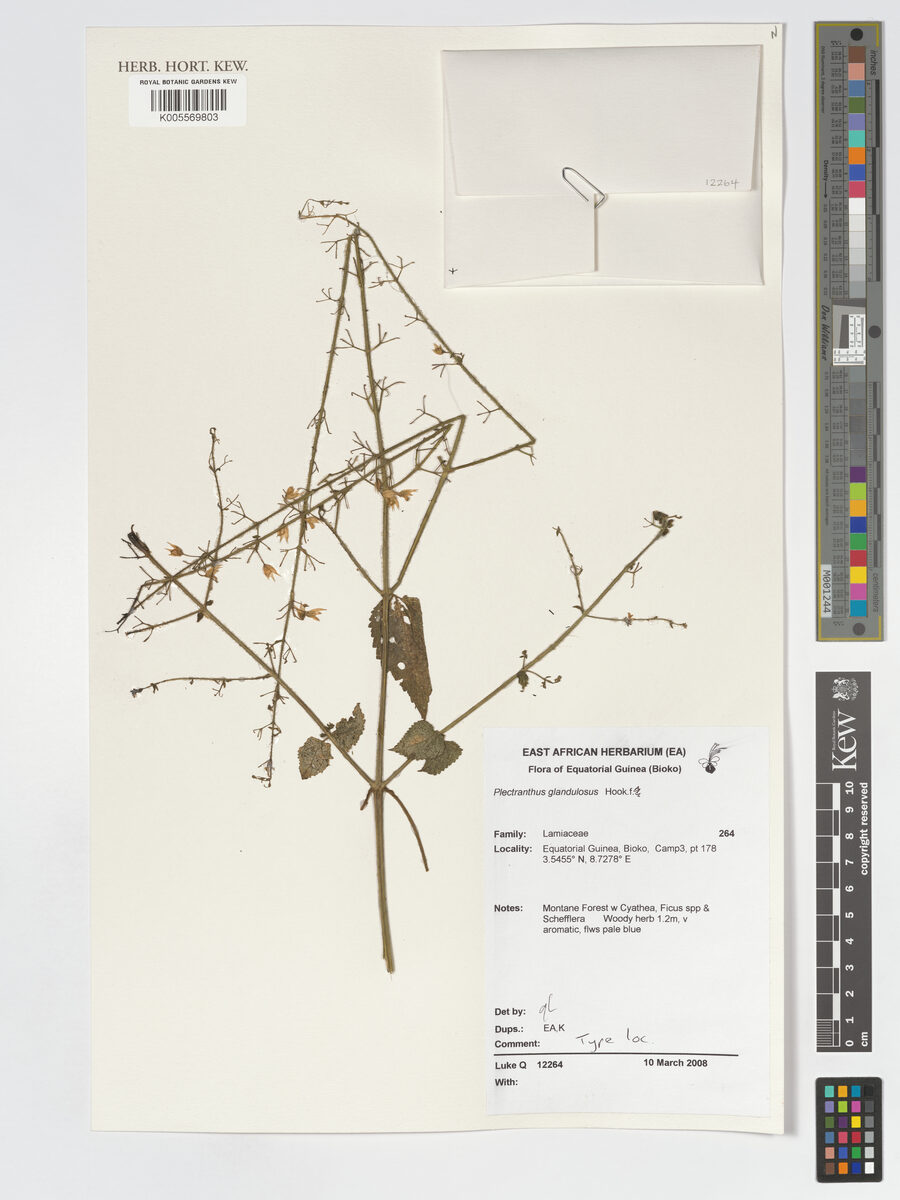
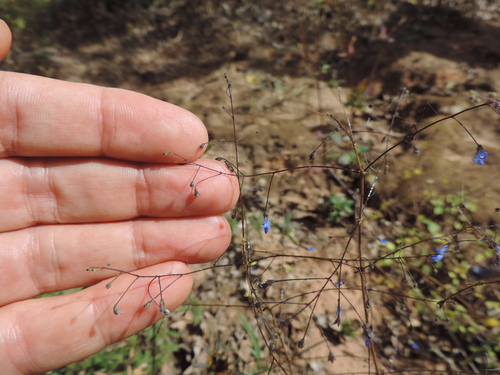
Coleus forskohlii
(Poir.) Briq.
wikimedia· cc0
Wikimedia Commons - Naturalis Biodiversity Center
wikimedia· cc-by
Wikimedia Commons - mauroguanandi
Description
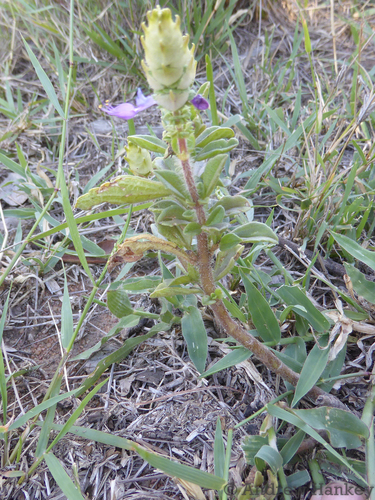
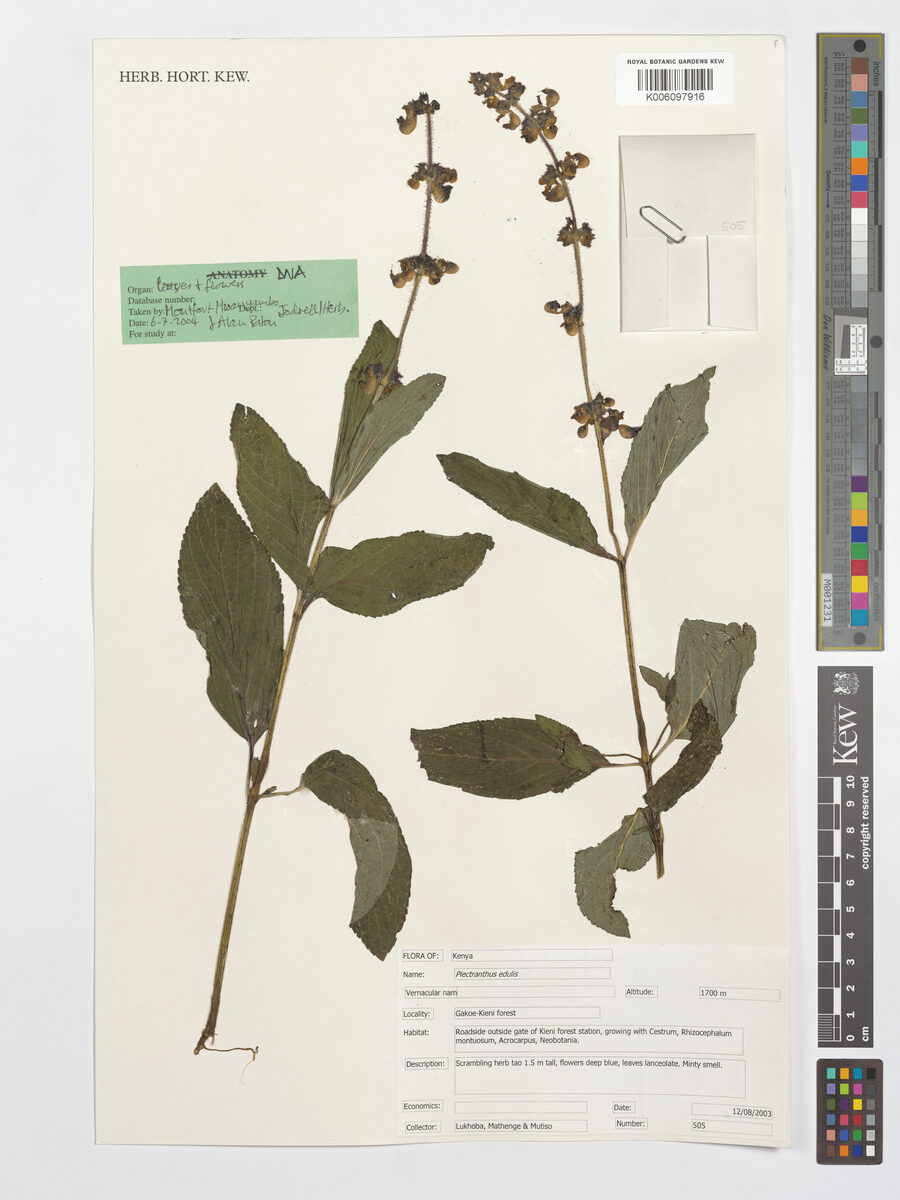
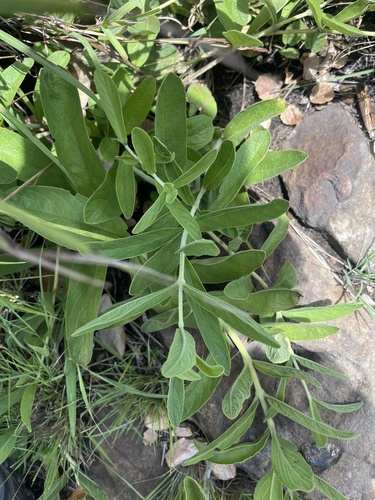
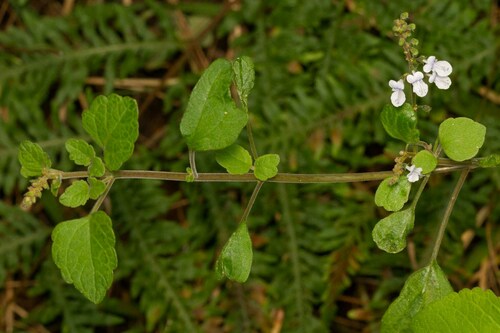
A herb. It can be erect or curve up at the tips. The stems are robust. They are about 40 cm high. They are branched. The leaf stalk is about 1.5 cm long. The leaf blade is oval and 7.5-13 cm long by 4.5-7 cm wide. They can be densely covered with a fine hair layer. The edges can be irregular. The flowering stalks are 11 cm long with 6 flowers in a ring. The flowers are purple-blue. The nutlets are round but flattened.
Edible Uses
The roots are boiled and eaten like potatoes, or pickled.
Traditional Uses
The roots are boiled and eaten. They are used like potatoes. They are also pickled.
This uses section is brief — help expand it
Distribution
A tropical and subtropical plant. It occurs in high altitude locations about 2300 m altitude. In Yunnan.
Where It Grows
Africa, Asia, Bhutan, China, East Africa*, Himalayas, India, Indonesia, Nepal, SE Asia, Sri Lanka,
Cultivation
Plants can be grown from seeds or cuttings.
Notes
There are between 90 and 150 Coleus species. Coleus forskohlii (Willd.) Briq. is an accepted name and Coleus forskohlii (Poir) Briq.is a synonym of Plectranthus barbatus var. barbatus
Synonyms
Also Known As
Koorkan kizhangu, Mao hou qiao rui hua, Pashanabhedi
References (7)
- Ambasta, S.P. (Ed.), 2000, The Useful Plants of India. CSIR India. p 136
- Arora, R. K., 2014, Diversity in Underutilized Plant Species - An Asia-Pacific Perspective. Bioversity International. p 24
- Li Hai-wen, Hedge, I.C., Lamiaceae. Flora of China. p 390
- Samydurai, P., et al, 2012, Wild habits of Kolli Hills being staple food of inhabitant tribes of eastern Ghats, Tamil Nadu, India. Indian Journal of Natural Products and Resources. 3(3) September 2012 pp 432-437
- Singh, H.B., Arora R.K.,1978, Wild edible Plants of India. Indian Council of Agricultural Research, New Delhi. p11
Show all 7 references Hide references
- Sukarya, D. G., (Ed.) 2013, 3,500 Plant Species of the Botanic Gardens of Indonesia. LIPI p 1090
- Wild edible plants of Himachal Pradesh