Laccosperma secundiflorum
(P. Beauv.) O. Kuntze
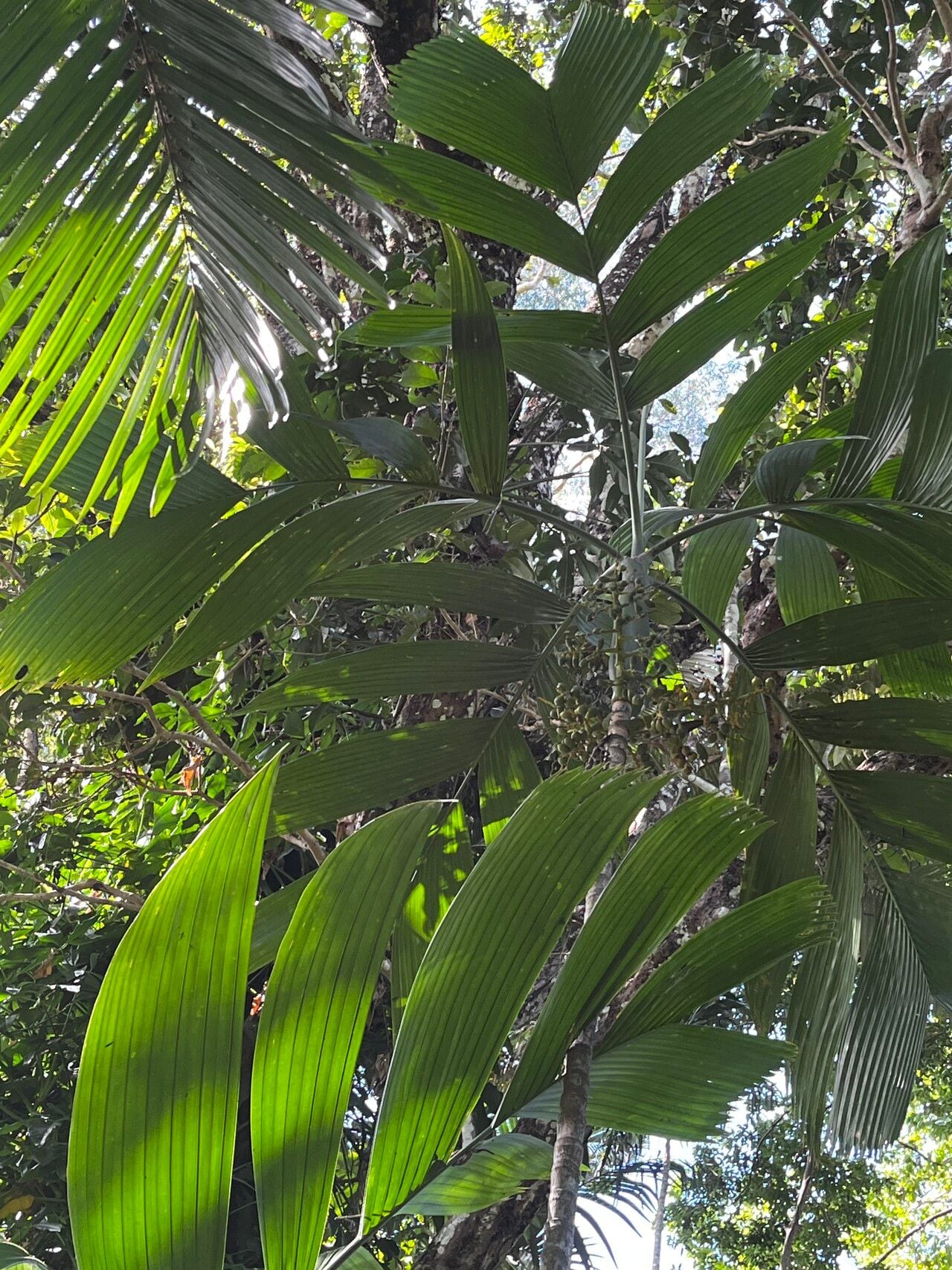
iNaturalist· cc-by-nc
(c) Bart Wursten, some rights reserved (CC BY-NC), uploaded by Bart Wursten
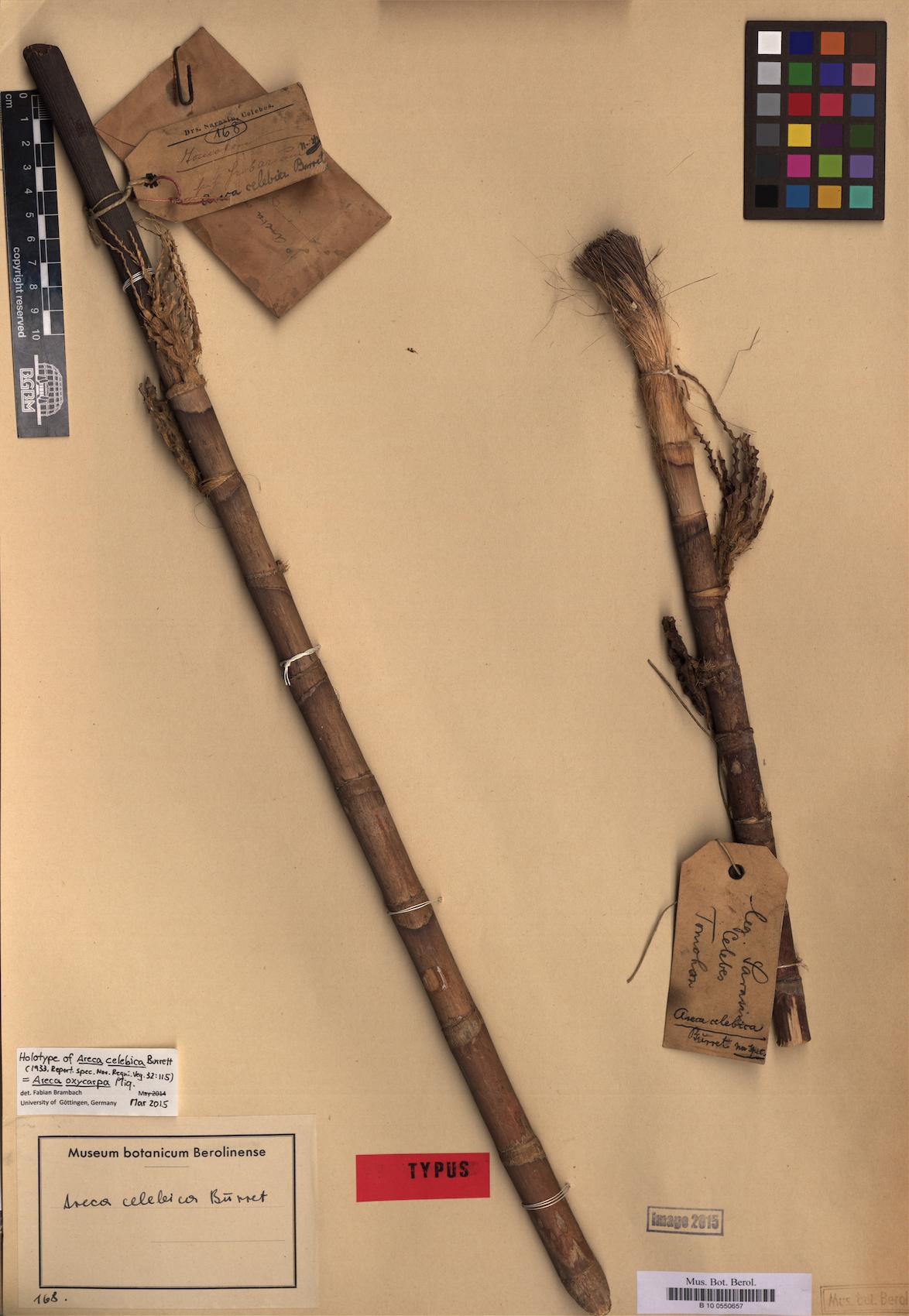
iNaturalist· cc-by-nc
(c) Carel Jongkind, some rights reserved (CC BY-NC)
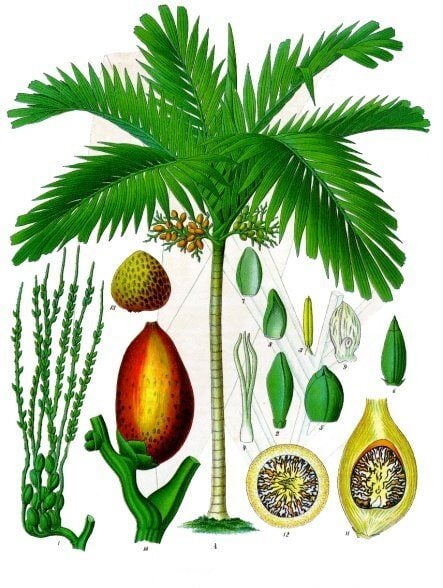
iNaturalist· cc-by-nc
(c) Carel Jongkind, some rights reserved (CC BY-NC)
Summary
Source: WikipediaLaccosperma secundiflorum, the gao, is a species of rattan palm found in the Dzangha-Sangha tropical forests of Cameroon and elsewhere in West Africa. It has thorny stems, which it uses to wrap around nearby trees, enabling it to grow to heights of over 30 metres. The local population harvests the trees, and uses them to make palm oil and palm wine, as well as canes (similar to rattan) for furniture, mats and baskets.
Description
A spiny, climbing rattan, or palm. The stem can be 45 m long and 3 cm across. The leaves have leaflets along the stalk. The leaf sheaths along the stems are spiny and the leaf stalks are also spiny. The flowering stalk develops at the end of the stems.
Edible Uses
The central pith is roasted and eaten (though bitter unless well cooked), and the young terminal bud can be eaten raw. The palm heart, sap, buds, and stems are also edible.
Traditional Uses
The central pith of the palm is roasted and eaten. It is bitter unless well cooked. The young terminal bud can be eaten raw.
This uses section is brief — help expand it
Distribution
A tropical plant. The grow in low mountain rainforests. It grows along river banks. It suits humid locations.
Where It Grows
Africa, Cameroon, Central Africa, Central African Republic, CAR, Congo DR, Congo R, Ghana, Guinea, Guinée, Guinea-Bissau, Nigeria, Senegal, Sierra Leone, West Africa,
Cultivation
A plant of the humid tropics.
Other Uses
The stems are used for a variety of purposes including basket making, hut building and weaving.
Notes
There are 7 Laccosperma species.
Synonyms
Also Known As
Bondufa, Buketao, Hu ba, Likawu, Okawu, Ongonga, Tambedjom, Tambem-hadje, Tambindjom-o, Ukawu, Unkawu
References (18)
- Abbiw, D.K., 1990, Useful Plants of Ghana. West African uses of wild and cultivated plants. Intermediate Technology Publications and the Royal Botanic Gardens, Kew. p 41
- Bircher, A. G. & Bircher, W. H., 2000, Encyclopedia of Fruit Trees and Edible Flowering Plants in Egypt and the Subtropics. AUC Press. p 27 (As Ancistrophyllum secundiflorum)
- Burkill, H. M., 1985, The useful plants of west tropical Africa, Vol. 4. Kew.
- Dalziel, J. M., 1937, The Useful plants of west tropical Africa. Crown Agents for the Colonies London.
- Gallois, S., et al, 2020, Methodological priorities in assessing wild edible plant knowledge and use – a case study among the Baka in Cameroon.
Show all 18 references Hide references
- Grivetti, L. E., 1980, Agricultural development: present and potential role of edible wild plants. Part 2: Sub-Saharan Africa, Report to the Department of State Agency for International Development. p 25 (As Ancistrophyllum secundiflorum)
- Grubben, G. J. H. and Denton, O. A. (eds), 2004, Plant Resources of Tropical Africa 2. Vegetables. PROTA, Wageningen, Netherlands. p 562
- Hedrick, U.P., 1919, (Ed.), Sturtevant's edible plants of the world. p 55
- Ingram, V. & Schure, J. 2010, Review of Non Timber Forest Products (NTFPs) in Central Africa, Cameroon. Center for International Forestry Research (CIFR). p 34 (As Ancistrophyllum secundiflorum)
- Jardin, C., 1970, List of Foods Used In Africa, FAO Nutrition Information Document Series No 2.p 55 (As Ancistrophyllum secundiflorum)
- Liengola, I. B., 2001, A contribution to the study of native edible plants by the Turumbu and Lokele of the Tshopo District, Province Orientale, D. R. Congo. Syst. Geogr. Pl. 71:687-698
- Martin, F.W. & Ruberte, R.M., 1979, Edible Leaves of the Tropics. Antillian College Press, Mayaguez, Puerto Rico. p 209 (As Ancistrophyllum secundiflorum)
- Moutsambote, J., 1996, Vegetation forestiere et plantes alimentaires de la region de la Sangha. Chp. 11 of Bien Manger et Bien Vivre. ORSTOM p 119
- Nkeoua, G. & Boundzanga, G. C., 1999, Donnees sur les produits forestieres non ligneux en Republique du Congo. FAO. p 29
- Peters, C. R., O'Brien, E. M., and Drummond, R.B., 1992, Edible Wild plants of Sub-saharan Africa. Kew. p 37 (As Ancistrophyllum secundiflorum)
- Termote, C., et al, 2011, Eating from the wild: Turumbu, Mbole and Bali traditional knowledge of non-cultivated edible plants, District Tshopo, DRCongo, Gen Resourc Crop Evol. 58:585-618
- Termote, C., 2012, Wild edible plant use in Tshopo District, Democratic Republic of Congo. Universiteit Gent. p 70
- World Checklist of Useful Plant Species 2020. Royal Botanic Gardens, Kew