Pennisetum unisetum
(Nees) Benth.
Duncan grass
iNaturalist· cc-by-nc
(c) Umar Musa, some rights reserved (CC BY-NC)
iNaturalist· cc-by-nc
(c) Umar Musa, some rights reserved (CC BY-NC)
iNaturalist· cc-by-nc
(c) Umar Musa, some rights reserved (CC BY-NC)
Description
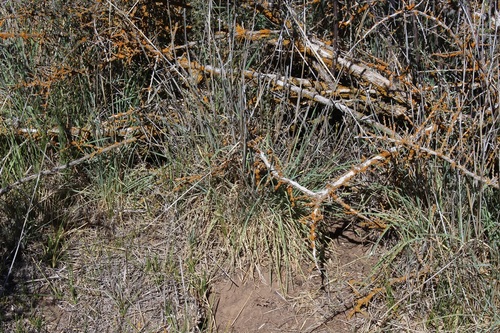
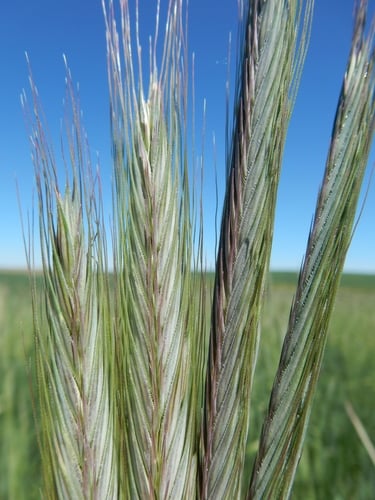
A grass. It forms tufts and keeps growing from year to year. It grows 3.5 m high. The stalks are 1.5 cm across. The leaves are firm and taper to the tip.
Edible Uses
The seeds are eaten as a cereal and are also used to make an alcoholic drink.
Traditional Uses
The seeds are eaten as a cereal. They are also used to make an alcoholic drink. Caution: Alcohol is a cause of cancer.
This uses section is brief — help expand it
Known Hazards
Alcohol is a cause of cancer.
Distribution
A tropical plant. It grows in deciduous woodland and wooded savannah in shady places from the lowlands to the mountains in West Africa.
Where It Grows
Africa, Burkina Faso, East Africa, Ethiopia, Ghana, Guinea, Guinée, Guinea-Bissau, Malawi, Middle East, Mozambique, Nigeria, Senegal, Sierra Leone, South Africa, Sudan, Tanzania, West Africa, Yemen, Zambia, Zimbabwe,
Notes
There are about 100 Pennisetum species.
Synonyms
Also Known As
Ali liya, Buambua, File, Furo kogo, Himikom, Nipuiui
References (8)
- Abbiw, D.K., 1990, Useful Plants of Ghana. West African uses of wild and cultivated plants. Intermediate Technology Publications and the Royal Botanic Gardens, Kew. p 26
- Bircher, A. G. & Bircher, W. H., 2000, Encyclopedia of Fruit Trees and Edible Flowering Plants in Egypt and the Subtropics. AUC Press. p 55 (As Beckeropsis uniseta)
- Burkill, H. M., 1985, The useful plants of west tropical Africa, Vol. 2. Kew.
- Dalziel, J. M., 1937, The Useful plants of west tropical Africa. Crown Agents for the Colonies London.
- Fowler, D. G., 2007, Zambian Plants: Their Vernacular Names and Uses. Kew. p 72
Show all 8 references Hide references
- Gallagher, D. E., 2010, Farming beyond the escarpment: Society, Environment, and Mobility in Precolonial Southeastern Burkina Faso. PhD University of Michigan.
- J. Linn. Soc., Bot. 19:47, 49. 1881
- Peters, C. R., O'Brien, E. M., and Drummond, R.B., 1992, Edible Wild plants of Sub-saharan Africa. Kew. p 26