Quercus aegilops subsp. persica
L.
Manna oak, Valonea oak, Camata, Camatina oak, Valonia oak
iNaturalist· cc-by-nc
(c) Andrew Cauldwell, some rights reserved (CC BY-NC)
iNaturalist· cc-by-nc
(c) Andrew Cauldwell, some rights reserved (CC BY-NC)
iNaturalist· cc-by-nc
(c) Andrew Cauldwell, some rights reserved (CC BY-NC)
Description
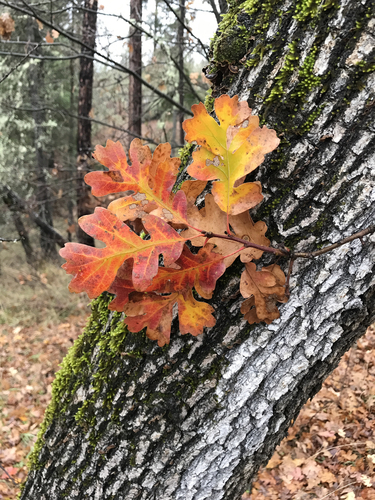
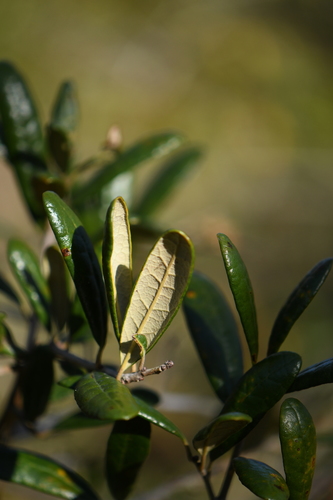
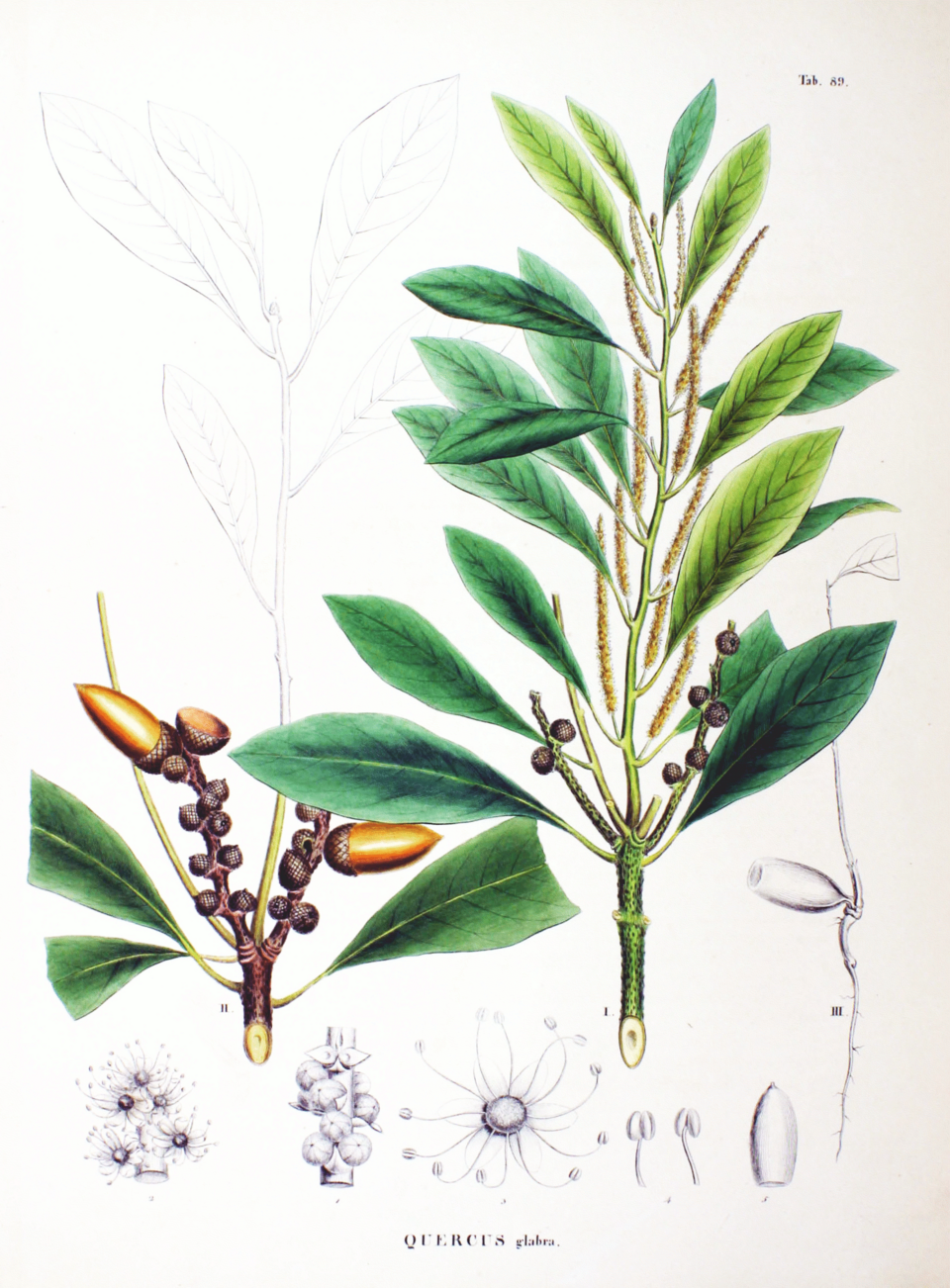
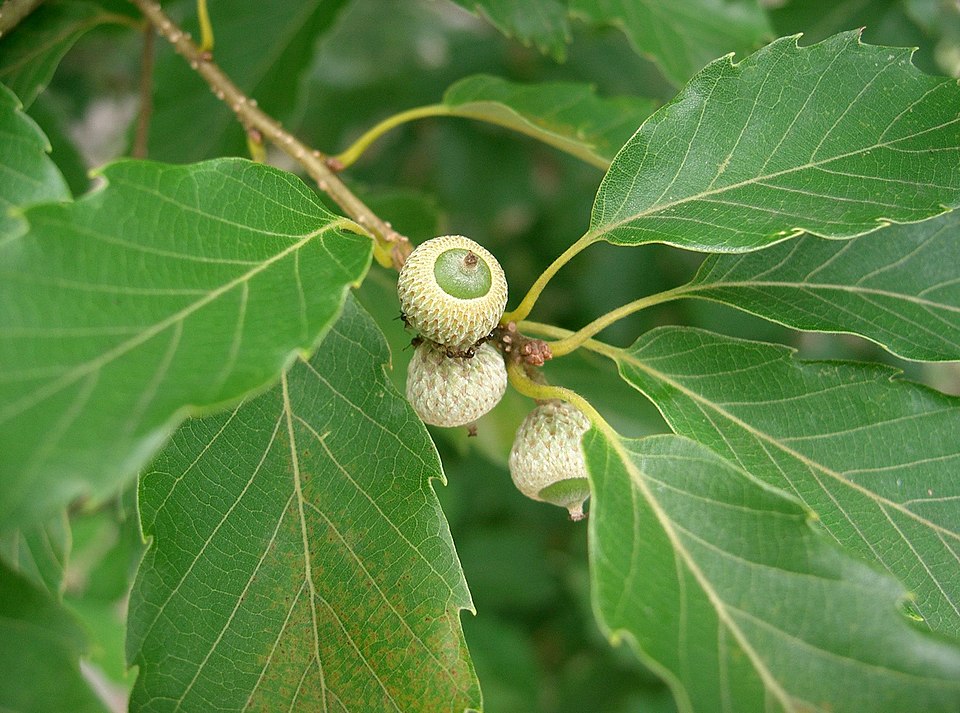
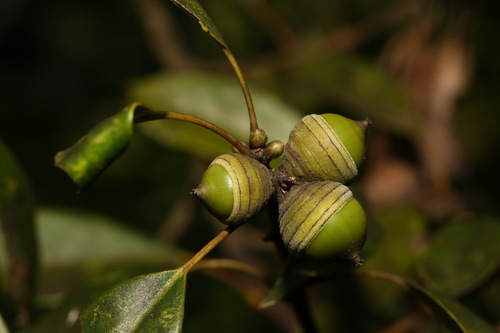
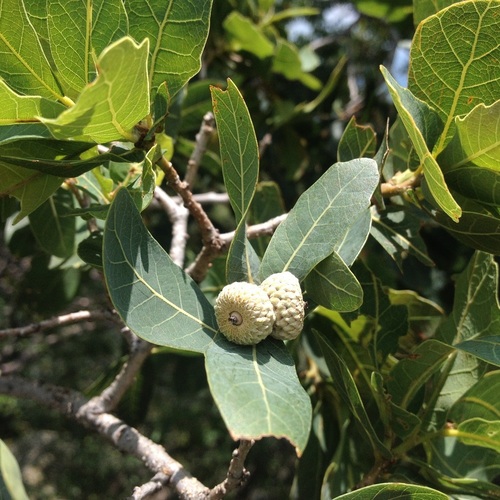
A tree. It loses many leaves during the year. It grows 20 m high. The twigs are downy. The bark is grey and cracked. The leaves are large and oblong. They are 5-14 cm long. They have 3-7 pairs of pointed lobes. The leaf stalks are long. The cup around the acorn is large, thick and flattened. The acorn is 2-3 cm long.
Edible Uses
The ripe acorns are eaten raw or boiled, and the tree's nuts are sold in local markets.
Traditional Uses
The ripe acorns are eaten raw or boiled.
This uses section is brief — help expand it
Distribution
Temperate. It grows in woodland and scrub in Mediterranean countries.
Where It Grows
Europe, Greece, Iran, Iraq, Italy, Mediterranean, Middle East, Syria, Turkey, Türkiye,
Other Information
It is sold in local markets.
Notes
There are about 600 Quercus species.
Synonyms
References (4)
- Blamey, M and Grey-Wilson, C., 2005, Wild flowers of the Mediterranean. A & C Black London. p 32
- Hedrick, U.P., 1919, (Ed.), Sturtevant's edible plants of the world. p 544
- Sfikas, G., 1984, Trees and shrubs of Greece. Efstathiadis Group. Athens. p 148
- Wickens, G.E., 1995, Edible Nuts. FAO Non-wood forest products. FAO, Rome. p 127