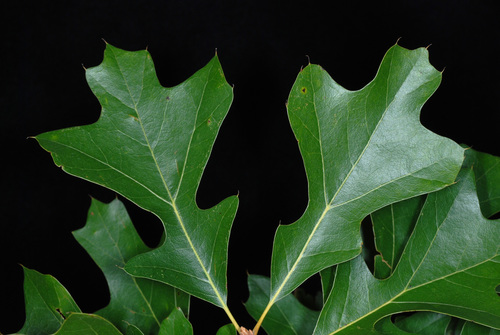
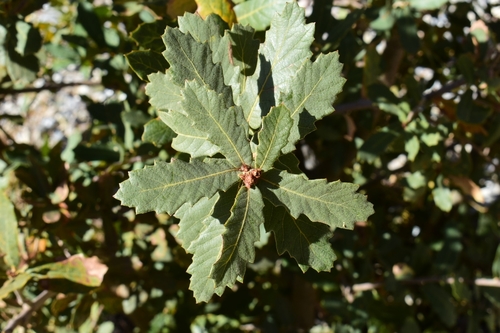
Lithocarpus edulis - (Makino.)Nakai.
(Makino.)Nakai.
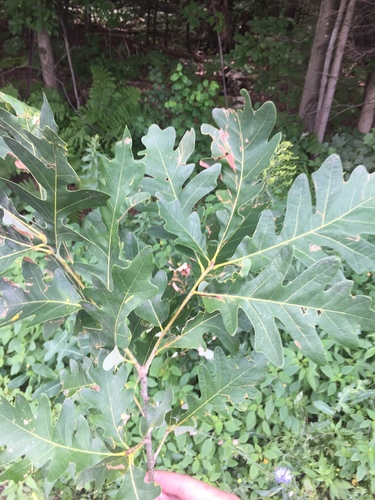
gbif· cc-by-nc
あちゃったー
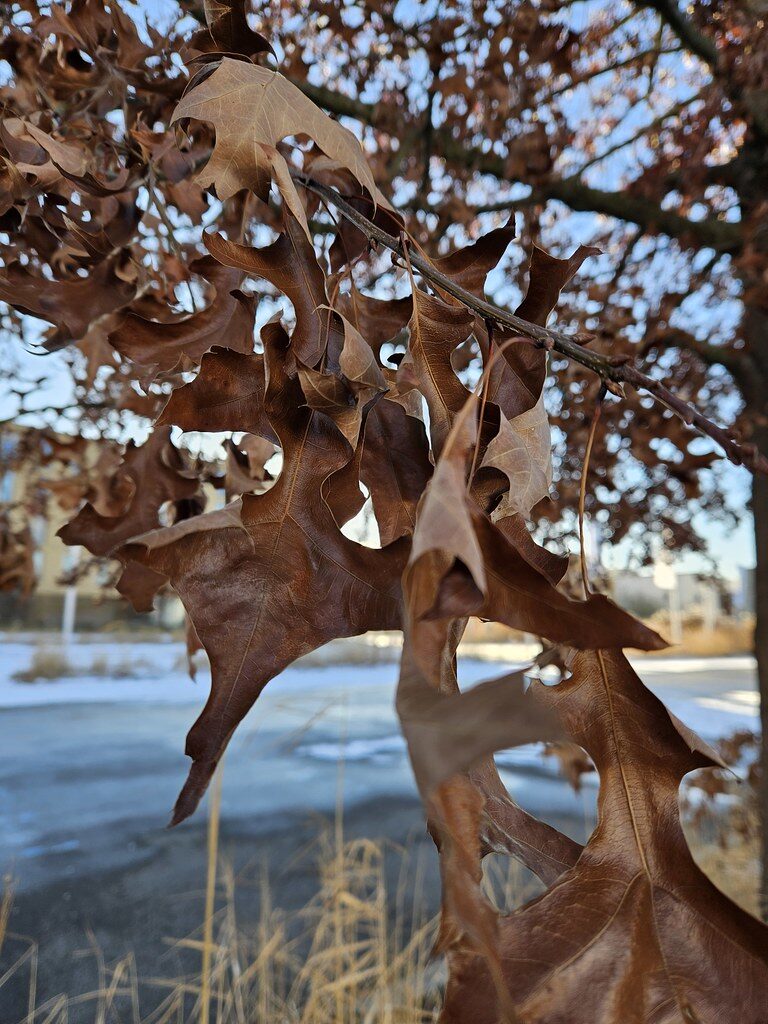
gbif· cc-by-nc
tama_king_fisher
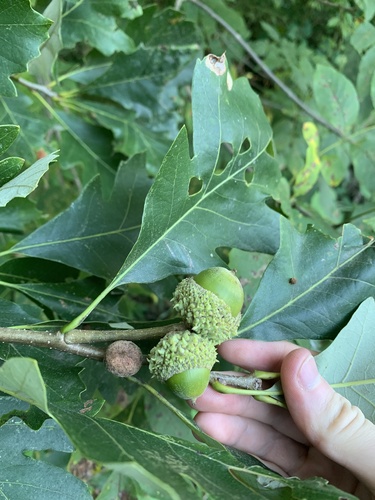
gbif· cc-by-nc
Scott Clément
Description
Lithocarpus edulis is an evergreen Tree growing to 9 m (29ft 6in). See above for USDA hardiness. It is hardy to UK zone 7. It is in leaf all year. The species is monoecious (individual flowers are either male or female, but both sexes can be found on the same plant). Suitable for: light (sandy), medium (loamy) and heavy (clay) soils. Suitable pH: mildly acid, neutral and basic (mildly alkaline) soils. It can grow in semi-shade (light woodland) or no shade. It prefers moist soil.
Edible Uses
Seed - raw or cooked. Not of a good taste. The poor taste is probably due, at least in part, to the presence of tannins. These can be removed by soaking the seed in water for a few days, changing the soak water regularly. The process can be speeded up by grinding the seed into a powder prior to soaking. The seed is an acorn about 25mm long and 8mm wide.
Distribution
E. Asia - C. and S. Japan.
Where It Grows
TEMPERATE ASIA: Japan (Honshu, Kyushu, Ryukyu Islands, Shikoku)
Cultivation
Prefers a deep fertile soil with medium drainage. This species is only hardy in the southern half of England. A tree growing in deep shade did not produce seed at Kew in the very hot summer of 1989. A tree at Hilliers produced lots of seed in 1994, but they were not fertile and did not contain endosperm. Plants are often confused with L. glabra.
Propagation
The seed is best sown as soon as it is ripe in the autumn in a cold frame. It needs to be protected from mice, squirrels and other seed eaters. The seed has a short viability but can be stored for a few months if kept cool and slightly damp - the salad compartment of a fridge is a good storage place. Germination takes place in the winter or early spring. When they are large enough to handle, prick the seedlings out into individual pots. If the plants are 15cm or more tall by the summer they can be planted out into their permanent positions. Give them a good weed-excluding mulch and some protection from the cold for their first couple of years outdoors. If growth is not sufficient then grow them on in the greenhouse for their first winter and plant them out into their permanent positions in late spring or early summer, after the last expected frosts.