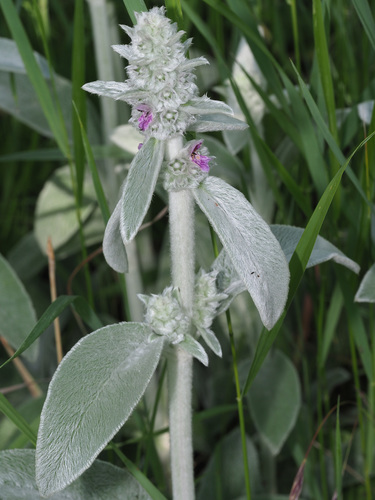
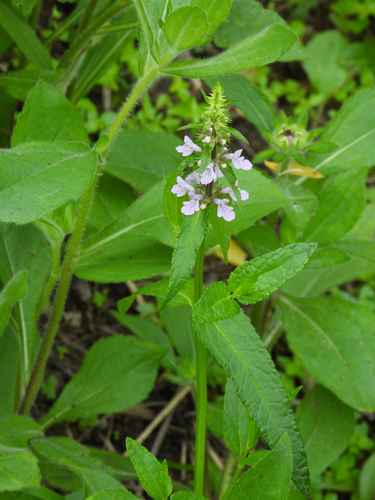
Monarda fistulosa
L.
Wild Bergamot, Mintleaf bergamot, Wild Bee-Balm, Lupine
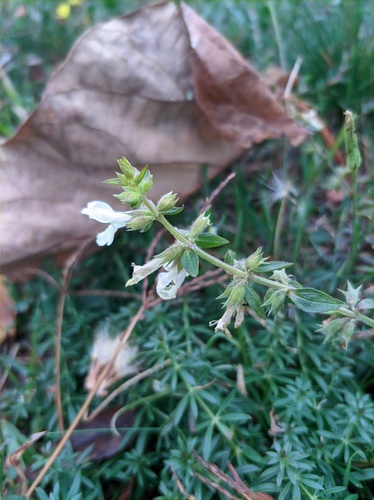
iNaturalist· cc-by-nc
(c) ziggymom, some rights reserved (CC BY-NC)
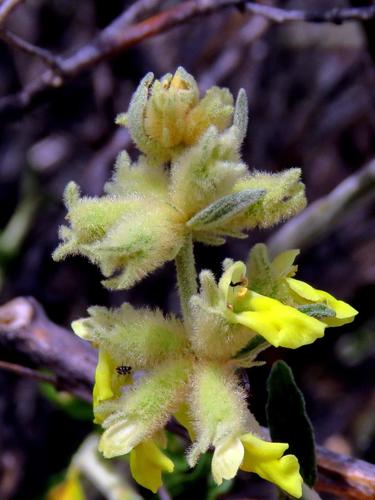
iNaturalist· cc-by-nc
(c) Daniel Pohl, some rights reserved (CC BY-NC), uploaded by Daniel Pohl
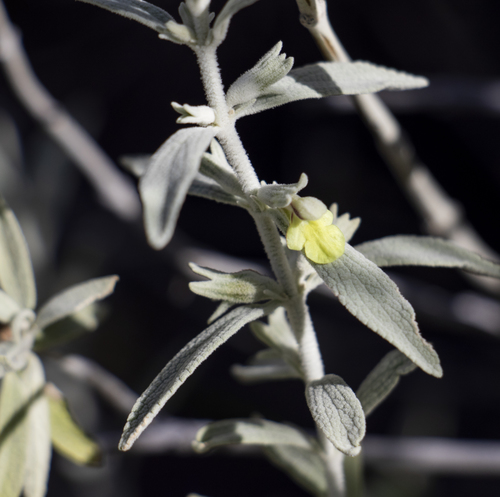
iNaturalist· cc-by-nc
(c) Joshua Wysor, some rights reserved (CC BY-NC)
Description
Monarda fistulosa is a PERENNIAL growing to 1.5 m (5ft) by 0.5 m (1ft 8in) at a medium rate. See above for USDA hardiness. It is hardy to UK zone 4 and is not frost tender. It is in flower in July, and the seeds ripen in August. The species is hermaphrodite (has both male and female organs) and is pollinated by Bees. The plant is self-fertile. It is noted for attracting wildlife. Suitable for: light (sandy), medium (loamy) and heavy (clay) soils and can grow in heavy clay soil. Suitable pH: mildly acid, neutral and basic (mildly alkaline) soils. It cannot grow in the shade. It prefers dry or moist soil.
Edible Uses
Tea. Leaves - raw or cooked. The entire plant above ground level can be used as a potherb, though it is rather aromatic. It is also used as a flavouring in salads and cooked foods. The flowers make an attractive edible garnish in salads. The fresh or dried leaves are brewed into a refreshing aromatic tea.
Medicinal Uses
Carminative Diaphoretic Diuretic Pectoral Stimulant. Wild bergamot was often employed medicinally by several native North American Indian tribes who used it to treat a variety of complaints, but especially those connected with the digestive system. It is still sometimes used in modern herbalism. The leaves and flowering stems are carminative, diaphoretic, diuretic and stimulant. An infusion is used internally in the treatment of colds, catarrh, headaches, gastric disorders, aching kidneys, to reduce low fevers and soothe sore throats. Externally, it is applied as a poultice to skin eruptions, cuts etc and as a wash for sore eyes. The leaves can be harvested before the plant flowers, or they can be harvested with the flowering stems. They can be used fresh or dried. The plant contains the essential oil 'bergamot oil' which can be inhaled to treat bronchial complaints. The leaves also contain 'thymol', an essential oil that can be used to expel gas from the digestive tract.
Distribution
North-eastern N. America - Quebec to Minnesota, south to Texas.
Where It Grows
NORTHERN AMERICA: Canada, Québec (southwest), Ontario (south), Saskatchewan (south), Alberta, Manitoba (south), British Columbia (south), United States, Connecticut, Indiana, Maine, Massachusetts, Michigan, New Hampshire, New Jersey, New York, Ohio, Pennsylvania, Rhode Island, Vermont, West Virginia, Illinois, Iowa, Kansas, Minnesota, Missouri, Nebraska, North Dakota, Oklahoma, South Dakota, Wisconsin, Colorado, Idaho, Montana, Wyoming, Alabama, Arkansas, Delaware, Georgia, Kentucky, Louisiana, Maryland, Mississippi, North Carolina, South Carolina, Tennessee, Virginia, New Mexico, Texas, Arizona, Utah, Mexico, Coahuila de Zaragoza,
Cultivation
Easily grown in ordinary garden soil so long as it is not too dry. Grows well in heavy clay soils. Requires a moist soil and a sunny position, though it also succeeds in light shade. This species thrives when grown in a dry soil. It prefers alkaline soil conditions. Plants are hardy to at least -25°c. A very ornamental plant, there are several named varieties. A good bee plant. Subject to mildew in dry summers.
Propagation
Seed - sow mid to late spring in a cold frame. Germination usually takes place within 10 - 40 days at 20°c. When large enough to handle, prick the seedlings out into individual pots and plant them out into their permanent positions in early summer. The seed can also be sown in situ in late summer in areas where the winters are not too severe and will produce larger plants. Cuttings of soft basal shoots in spring. Harvest the shoots with plenty of underground stem when they are about 8 - 10cm above the ground. Pot them up into individual pots and keep them in light shade in a cold frame or greenhouse until they are rooting well. Plant them out in the summer. Division in spring or autumn. Very easy, large divisions can be planted out direct into their permanent positions. We have found that it is better to pot up the smaller divisions and grow them on in light shade in a cold frame until they are well established before planting them out in late spring or early summer.
Other Uses
Repellent. The leaves have been used as an insect repellent.