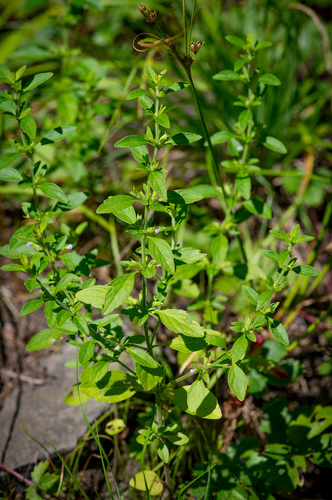
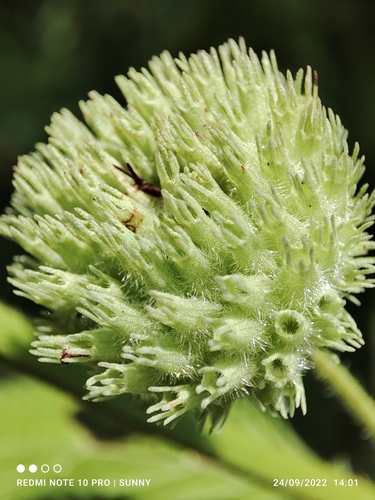
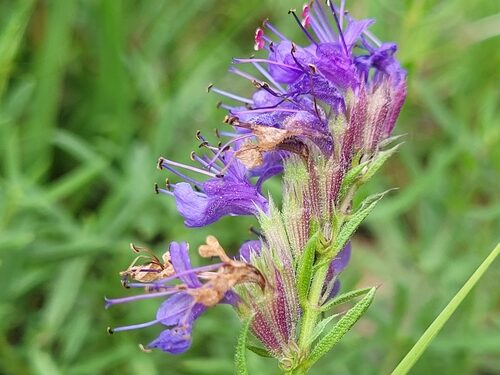
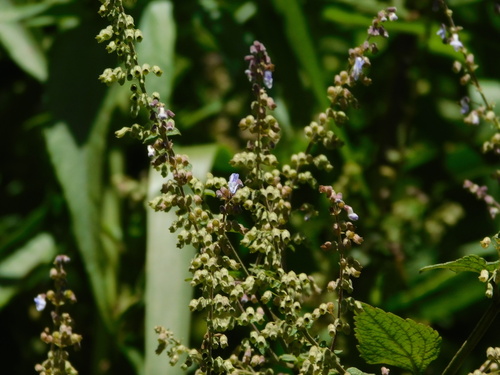
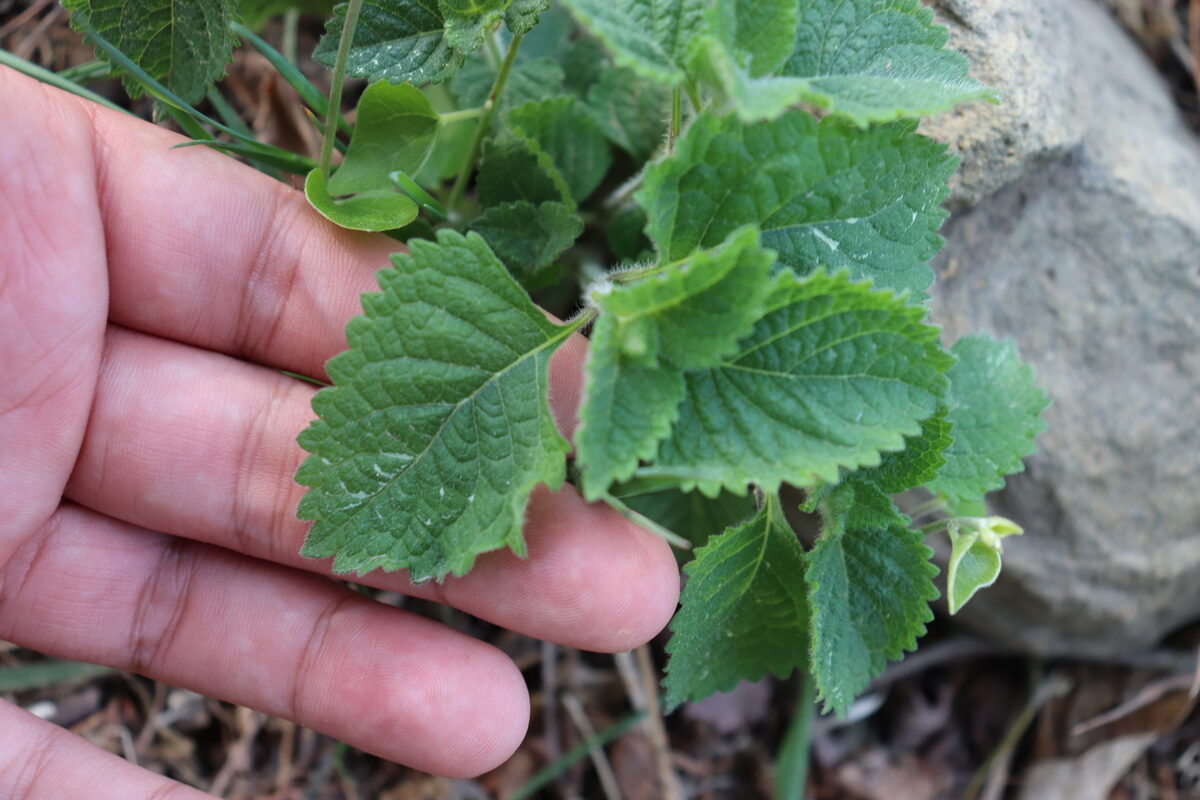
Monarda clinopodia
L.
White basil-balm
iNaturalist· cc-by-nc
(c) Matt Tomlinson, some rights reserved (CC BY-NC)
iNaturalist· cc-by-nc
(c) Matt Tomlinson, some rights reserved (CC BY-NC)
iNaturalist· cc-by-nc
(c) Matt Tomlinson, some rights reserved (CC BY-NC)
Summary
Source: WikipediaMonarda clinopodia, commonly known as white bergamot, basil bee balm or white bee balm, is a perennial wildflower in the mint family, Lamiaceae. This species is native to North America, ranging north from New York, west to Missouri, and south to Georgia and Alabama. M. clinopodia has also been introduced into Vermont and Massachusetts.
Description
A perennial herb reaching 1.3 m tall, hardy to UK zone 5. Hermaphroditic and bee-pollinated with self-fertility. Attracts wildlife. Grows in light, medium, or heavy soils including clay, tolerating mildly acidic to alkaline pH. Prefers moist soil and semi-shade or full sun.
Edible Uses
Fresh or dried leaves and flower heads can be brewed into a tea, which is said to be excellent when blended with other teas.
Traditional Uses
The fresh or dried leaves and flower-heads are used for tea.
This uses section is brief — help expand it
Medicinal Uses
None known
Distribution
It is a temperate plant.
Where It Grows
North America, USA,
Cultivation
Easily grown in ordinary garden soil so long as it is not too dry. Requires a moist soil and a sunny position. Likes some shade. A good bee plant. Plants are subject to mildew in dry summers.
Propagation
Sow seed in a cold frame in mid to late spring; germination usually occurs within 10–40 days at 20°C. When large enough to handle, prick seedlings into individual pots and plant out into permanent positions in early summer. Seed can also be sown in situ in late summer in areas with mild winters, producing larger plants. For softwood cuttings, take basal shoots in spring when they are about 8–10cm above ground, ensuring each cutting includes plenty of underground stem. Pot into individual pots and keep in light shade in a cold frame or greenhouse until rooting well, then plant out in summer. Divide in spring or autumn; large divisions can go directly into permanent positions, while smaller ones are best potted up and grown on in light shade in a cold frame until well established before planting out in late spring or early summer.
Other Uses
None known Special Uses Attracts Wildlife
References (2)
- Facciola, S., 1998, Cornucopia 2: a Source Book of Edible Plants. Kampong Publications, p 130
- Sp. pl. 1:22. 1753