Dypsis prestoniana
Beentje,
iNaturalist· cc-by
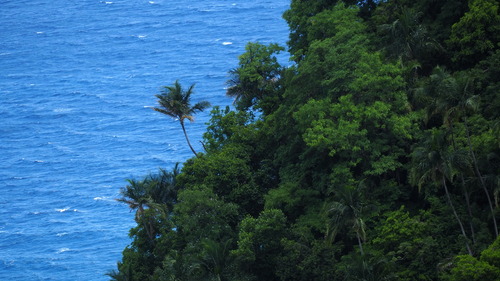
(c) Louis Aureglia, some rights reserved (CC BY), uploaded by Louis Aureglia
iNaturalist· cc-by
(c) Louis Aureglia, some rights reserved (CC BY)
Summary
Source: WikipediaDypsis prestoniana is a species of flowering plant in the family Arecaceae. It is found only in Madagascar. It is threatened by habitat loss.
Description
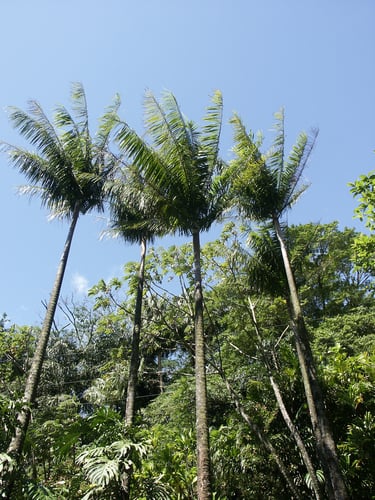
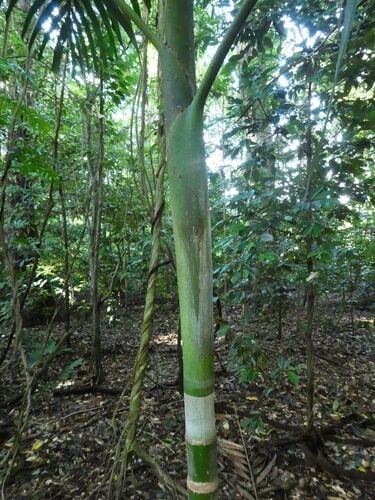
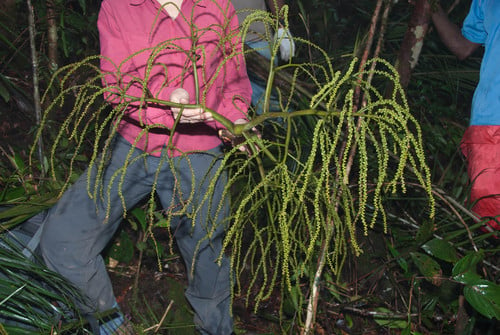
A solitary palm. It grows 4-12 m tall. The trunk is 24-40 cm across. It is greenish grey to dark grey. It has distinct, dark grey rings of the leaf base scars. It does not have a true closed crown-shaft. The leaf sheaths are 1.3 m high. The leaves are 2.3 m long. They arch over near the ends. The leaves are somewhat feather like. The leaflets are 1.3 m long. The flower stalk is large and occurs between the leaves. The flowers and scales are yellow. The fruit are orange.
Edible Uses
Leaves - cooked. The apical bud, known as a 'palm heart' is eaten as a vegetable. Eating this bud leads to the death of the tree because it is unable to make side-shoots.
Medicinal Uses
The plant (parts not specified but probably the bark and/or the fruits) is used in the treatment of headaches, jaundice and hepatitis; and also as an aid to lactation.
Distribution
A tropical plant. It grows between 50-550 m altitude in Madagascar. It grows in the rainforest. It suits humid locations. It needs a tropical climate.
Where It Grows
Africa, East Africa, Madagascar,
Cultivation
Prefers a warm and moist position. This species is able to survive in disturbed areas after clearance but probably does not regenerate there.
Production
It is slow growing.
Notes
There are 140 Dypsis species.
Also Known As
Babovavy, Tavilo
References (5)
- Dransfield, J. & Beentje, H., 1995, The Palms of Madagascar. Royal Botanical Gardens, Kew and The International Palm Society. p 167
- Haynes, J., & McLaughlin, J., 2000, Edible palms and Their Uses. University of Florida Fact sheet MCDE-00-50-1 p 6
- Johnson, D.V., 1998, Tropical palms. Non-wood Forest products 10. FAO Rome. p 114
- Riffle, R.L. & Craft, P., 2003, An Encyclopedia of Cultivated Palms. Timber Press. p 332
- World Checklist of Useful Plant Species 2020. Royal Botanic Gardens, Kew