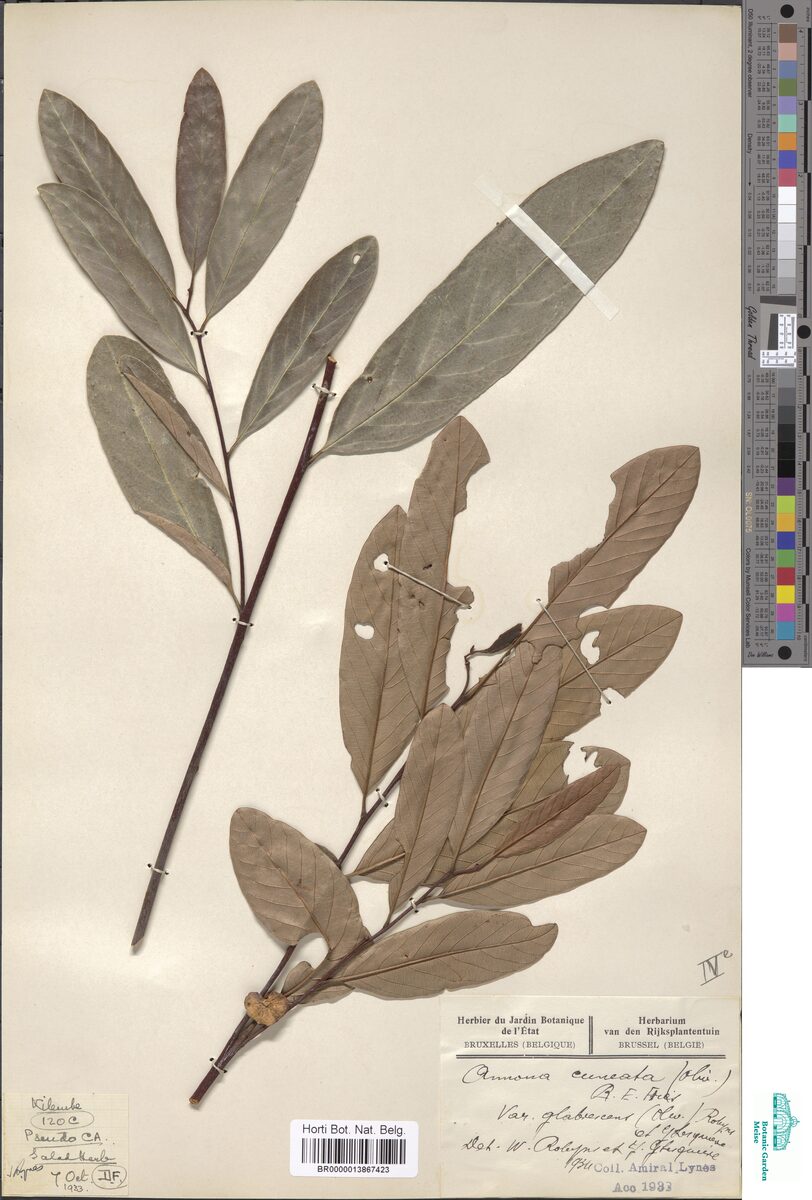
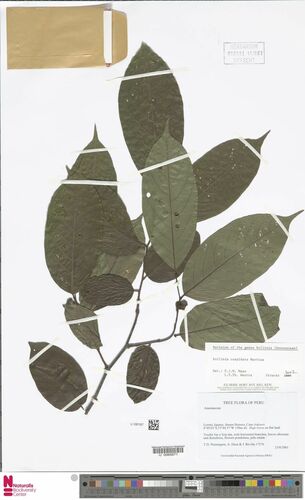
Polyalthia evecta
(Pierre) Finet & Gagnep.
iNaturalist· cc-by-nc
(c) ab_satta, some rights reserved (CC BY-NC)
iNaturalist· cc-by-nc
(c) ab_satta, some rights reserved (CC BY-NC)
iNaturalist· cc-by-nc
(c) V.Arun, some rights reserved (CC BY-NC)
Description
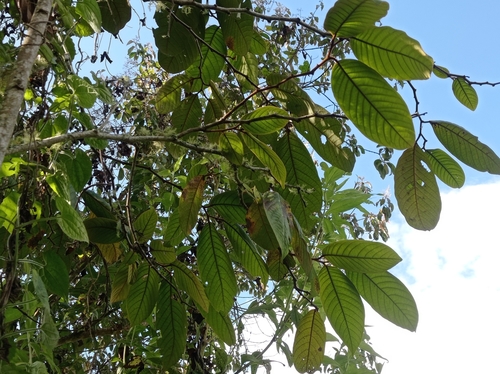
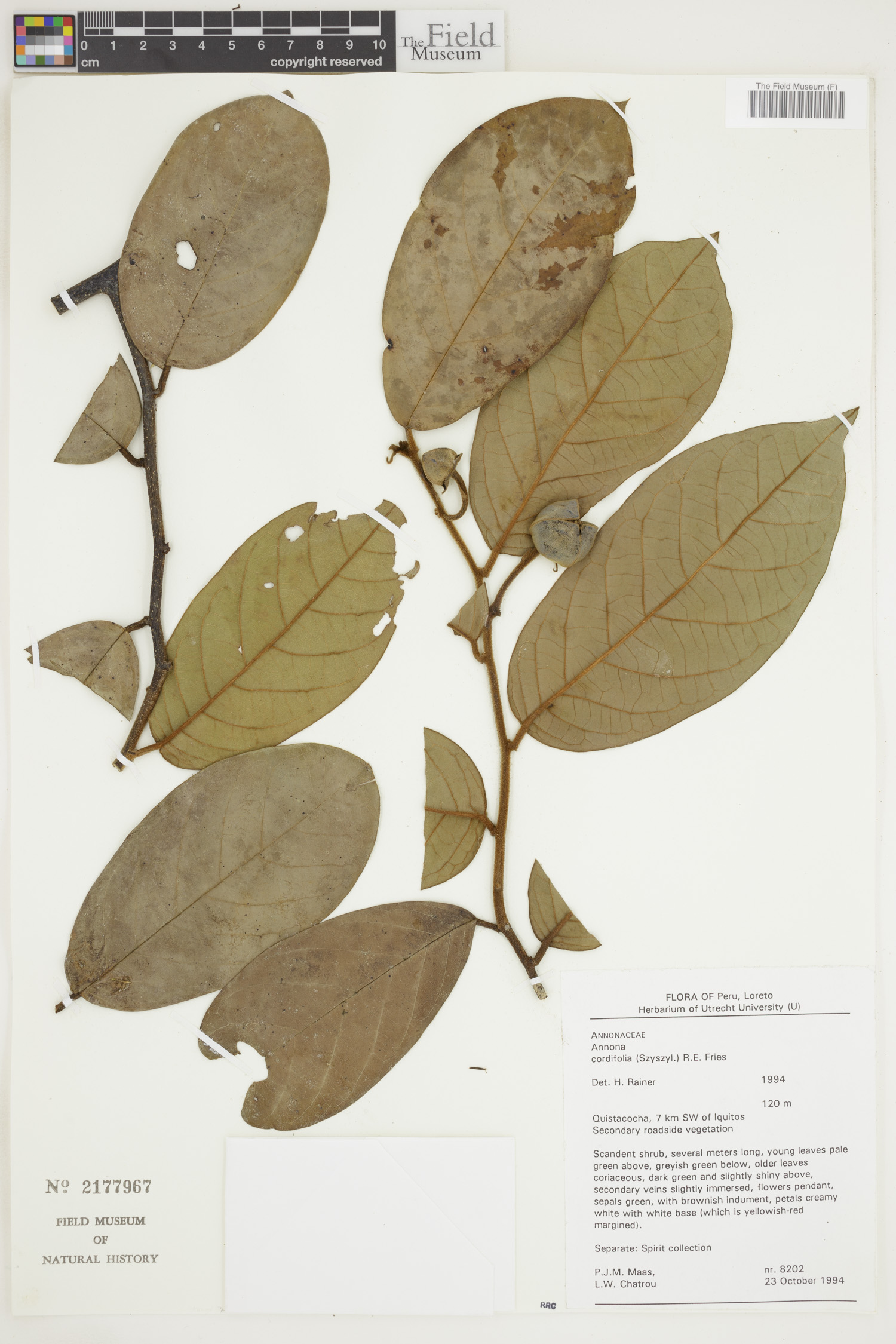
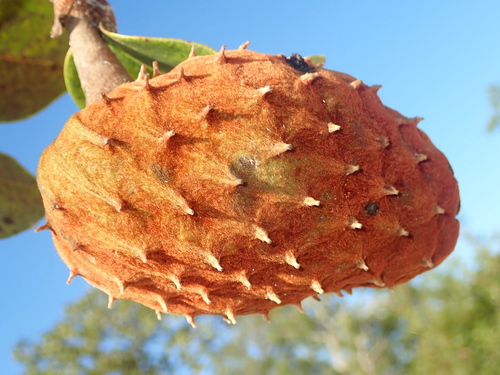
A small shrub. It grows 2 m tall. They flowers occur singly in the axils of the leaves. They are yellow. The fruit are red.
This description is brief — help expand it
Edible Uses
The fruit is eaten raw as a snack.
Traditional Uses
The fruit is eaten raw as a snack.
This uses section is brief — help expand it
Distribution
It is a tropical plant. It grows in semi-deciduous forest in southern Indochina.
Where It Grows
Asia, Cambodia, Indochina, Laos, SE Asia, Thailand, Vietnam,
Production
In northern Thailand, fruit are available from June to July.
Synonyms
Unona evecta Pierre
Also Known As
Bak tong leeng, Norn noi, Quandau cho
References (3)
- Cruz-Garcia, G. S., & Price, L. L., 2011, Ethnobotanical investigation of 'wild' food plants used by rice farmers in Kalasin, Northeast Thailand. Journal of Ethnobiology and Ethnomedicine 7:33
- Kachenchart, B., et al, 2008, Phenology of Edible Plants at Sakaerat Forest. In Proceedings of the FORTROP II: Tropical Forestry Change in a Changing World. Bangkok, Thailand.
- Setalaphruk, C. & Price, L. L., 2007, Children's traditional ecological knowledge of wild food resources: a case study in a rural village in Northeast Thailand. Journal of Ethnobiology and Ethnomedicine. 3:33