Attalea allenii
H. E. Moore
Taparin
iNaturalist· cc-by-sa
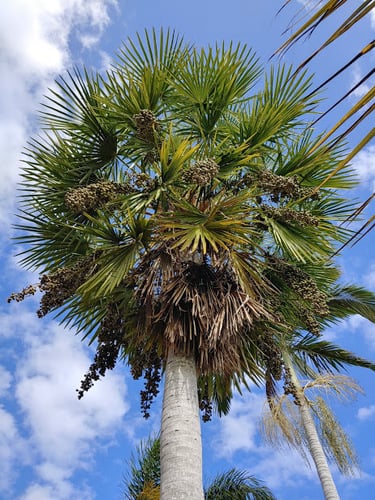
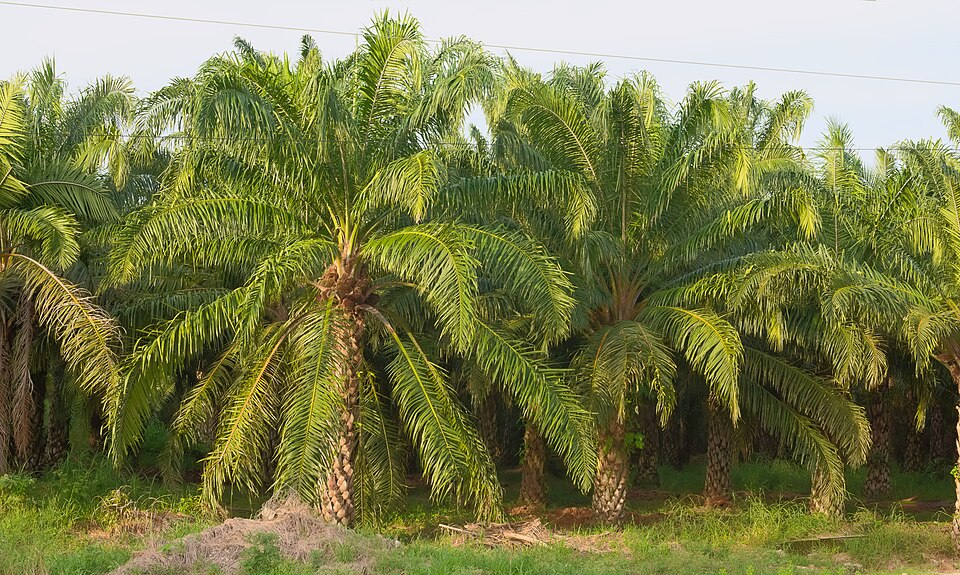
(c) Dr. Guido Bohne, some rights reserved (CC BY-SA), uploaded by Dr. Guido Bohne
iNaturalist· cc-by-nc
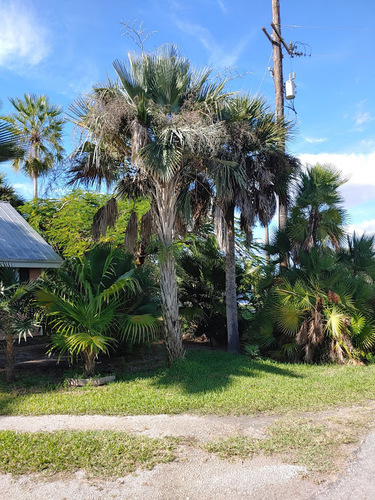
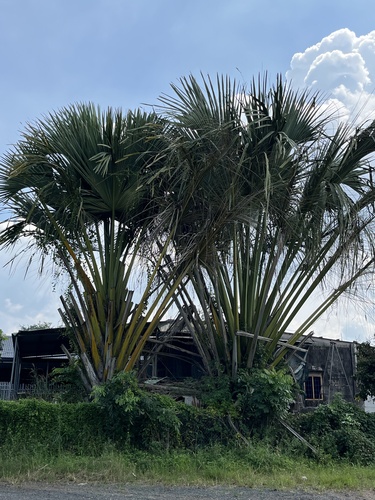
(c) Jan Meerman, some rights reserved (CC BY-NC), uploaded by Jan Meerman
iNaturalist· cc-by-nc
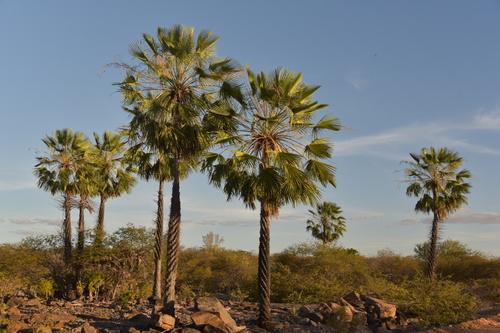
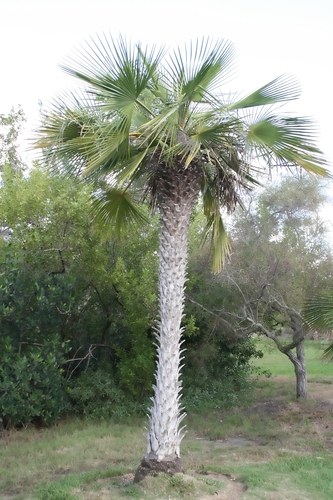
(c) Angie Montenegro Lozano, some rights reserved (CC BY-NC)
Description
A solitary palm without an above ground trunk. The fronds come from the ground in an upright tuft. The leaves are about 5 m long. They are greyish-green. The flower stalks are produced at ground level. The fruit clusters are often half buried in the soil. The fruit are oval and 6 cm long by 3 cm wide. They have a long beak at the tip.
Edible Uses
Seed. The immature seed contains a liquid endosperm. This is used as a drink. A good quality oil is obtained from the seed. This product has not been exploited commercially for lack of efficient machines to break the hard endocarp without damaging the seeds.
Traditional Uses
The fruit is used for a drink. The seeds are eaten.
This uses section is brief — help expand it
Medicinal Uses
None mentioned.
Distribution
A tropical plant. It grows in shady tropical forests. It grows on non flooded soils below 500 m altitude.
Where It Grows
Australia, Central America, Colombia, Panama, South America,
Cultivation
Plants are grown from fresh seed. Seed take 2-4 months to germinate.
Other Uses
The leaves are commonly harvested at Easter for use as decorations on Palm Sunday.
Notes
There are between (22) 30-71 Attalea species. Some authorities divide them among Attalea, Orbignya, Scheela and Maximiliana.
Also Known As
Igan, Igua, Mangue, Taparo
References (11)
- Glassman, A Taxonomic Treatment of the Palm Subtribe Attaleinae (Tribe Cocoeae). p 29
- Haynes, J., & McLaughlin, J., 2000, Edible palms and Their Uses. University of Florida Fact sheet MCDE-00-50-1 p 3
- Henderson, A., Galeano, G and Bernal, R., 1995, Field Guide to the Palms of the Americas. Princeton. p 158
- INFOODSUpdatedFGU-list.xls
- Janick, J. & Paul, R. E. (Eds.), 2008, The Encyclopedia of Fruit & Nuts. CABI p 91
Show all 11 references Hide references
- Johnson, D.V., 1998, Tropical palms. Non-wood Forest products 10. FAO Rome. p 91
- Jones, D.L., 2000, Palms of Australia 3rd edition. Reed/New Holland. p 122
- Kermath, B. M., et al, 2014, Food Plants in the Americas: A survey of the domesticated, cultivated and wild plants used for Human food in North, Central and South America and the Caribbean. On line draft. p 105
- Marcia, M. J., et al, 2011, Palm Uses in Northwestern South America: A Quantitative Review. Bot. Rev. (2011) 77:462-570
- Roa, J. A. G. & Boada, D. S. G., 2018, Fundación para el Fortalecimiento de la Fruticultura y Plantas Alimenticias no Convencionales en Colombia.
- World Checklist of Useful Plant Species 2020. Royal Botanic Gardens, Kew