Daemonorops scapigera
Becc.
Wi empunok ruai
gbif· cc-by
The New York Botanical Garden
gbif· cc-by
The New York Botanical Garden
gbif· cc-by
The New York Botanical Garden
Description
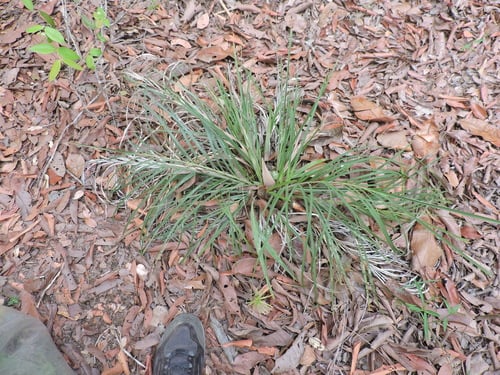
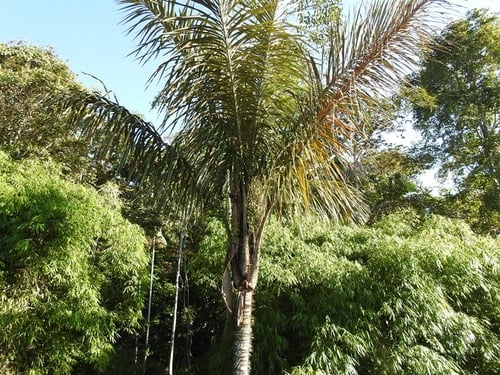
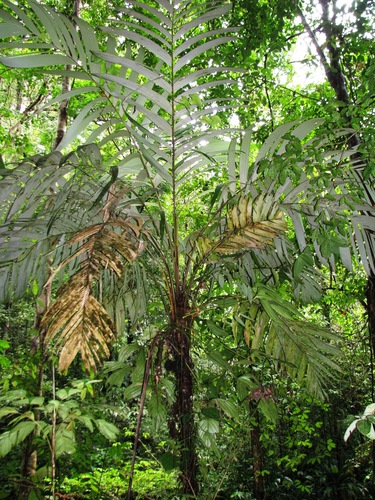
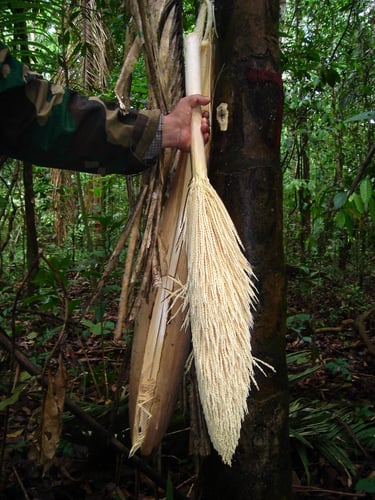
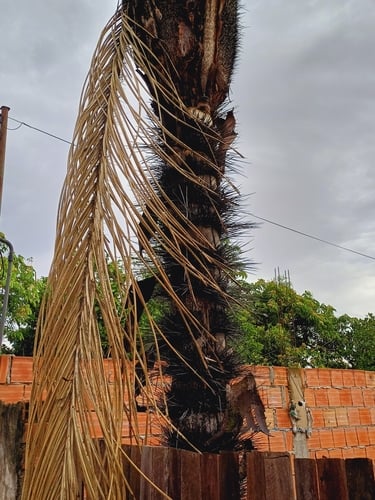
A cane or rattan. It forms a clump. It is a climbing plant. The fruit have a thick layer of edible flesh.
This description is brief — help expand it
Edible Uses
The fruit, shoots, palm heart, and cabbage are eaten traditionally and as food.
Traditional Uses
Palm heart eaten
This uses section is brief — help expand it
Distribution
A tropical plant. It grows from sea level to 1,000 m above sea level.
Where It Grows
Asia, Brunei, Indonesia, Malaysia*, SE Asia,
Cultivation
Most species in this genus are more or less vigorous climbing plants in rainforests. In general, they are likely to grow best with their roots in the shade but with enough gap in the canopy to encourage their stems to grow up towards the light. They are also likely to grow best in a humus-rich soil. A dioecious species, both male and female forms need to be grown if fruit and seed are required.
Other Uses
The stems are used for making walking-sticks.
Notes
There are 115 Daemonorops species.
Synonyms
References (6)
- Dransfield, J., 1992, The Rattans of Sarawak, Kew. p 65
- Haynes, J., & McLaughlin, J., 2000, Edible palms and Their Uses. University of Florida Fact sheet MCDE-00-50-1 p 5
- Johnson, D.V., 1998, Tropical palms. Non-wood Forest products 10. FAO Rome. p 66
- Jones, D.L., 1994, Palms throughout the World. Smithtonian Institution, Washington. p 54
- Milow, P., et al, 2013, Malaysian species of plants with edible fruits or seeds and their evaluation. International Journal of Fruit Science. 14:1, 1-27
Show all 6 references Hide references
- PROSEA (Plant Resources of South East Asia) handbook, Volume 6, 1993, Rattans