Citrus natsudaidai
Hayata
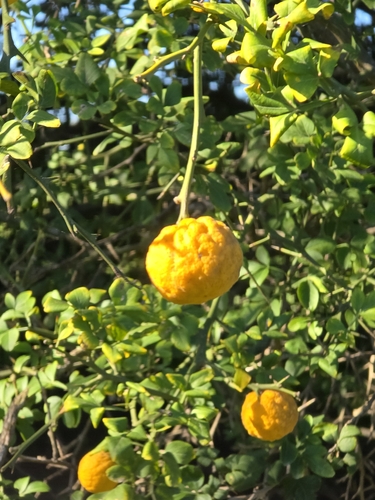
Japanese summer-grapefruit
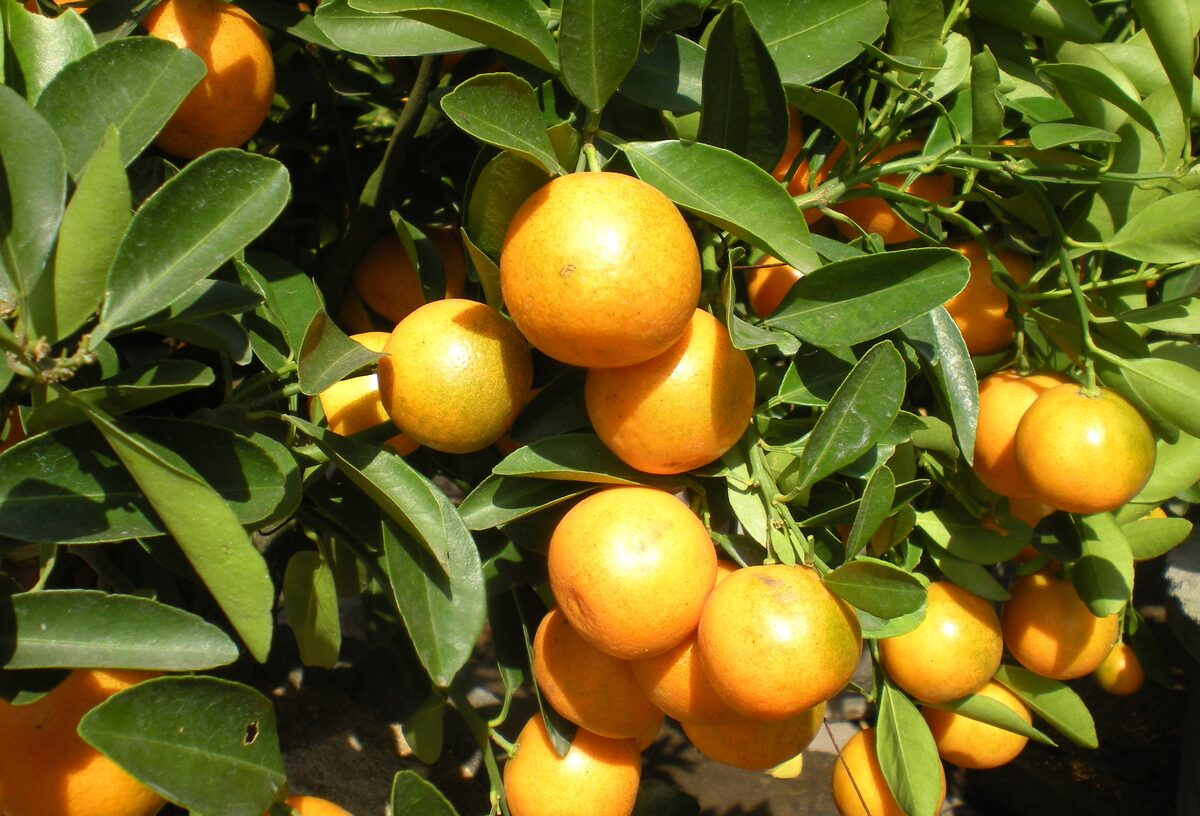
iNaturalist· cc-by-nc
(c) Observações Naturalistas | Bruno Uehara, some rights reserved (CC BY-NC), uploaded by Observações Naturalistas | Bruno Uehara
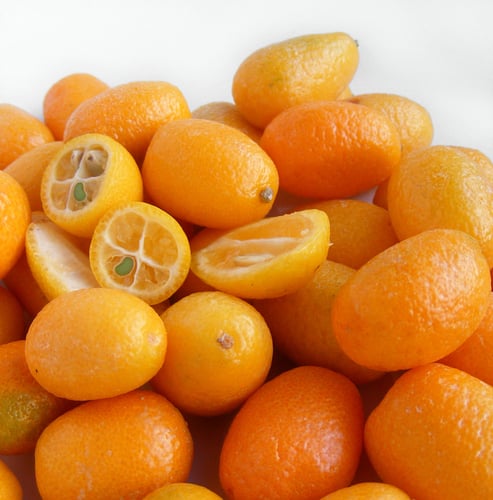
iNaturalist· cc-by-nc
(c) コウジ タマル, some rights reserved (CC BY-NC), uploaded by コウジ タマル
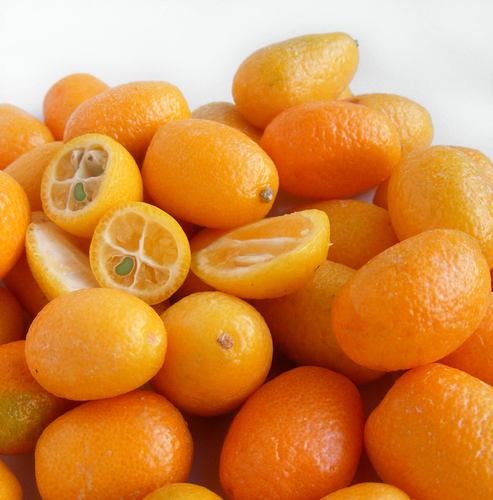
wikimedia· cc-by-sa
Wikimedia Commons
Description
A subtropical citrus tree, probably a natural hybrid between pomelo and mandarin.
This description is brief — help expand it
Edible Uses
The fruit are eaten raw or used in salads. The juice is sweetened and flavoured to make drinks. The pulp is sometimes canned in syrup or made into candies. The peel is used for marmalade and jam.
Traditional Uses
The fruit are eaten raw. They are also used in salads. The juice is sweetened and flavoured and made into drinks. The pulp is sometimes canned in syrup or made into candies. The peel is used for marmalade and jam.
Distribution
It is a subtropical plant.
Where It Grows
Asia, Japan, Korea, Taiwan,
Notes
There are 20 Citrus species. Several hybrids have been formed.
Synonyms
Also Known As
Hagyul, Natsu-mikan
References (5)
- Facciola, S., 1998, Cornucopia 2: a Source Book of Edible Plants. Kampong Publications, p 217
- Icon. pl. formos. 8:29. 1919
- Song, M., et al, 2013, Traditional knowledge of wild edible plants in Jeju Island, Korea. Indian Journal of Traditional Knowledge. 12(2) pp 177-194
- Tanaka,
- Wiersema, J. H. & Leon, B., 2013, World Economic Plants. A Standard Reference CRC Press. 2nd Ed. p 180