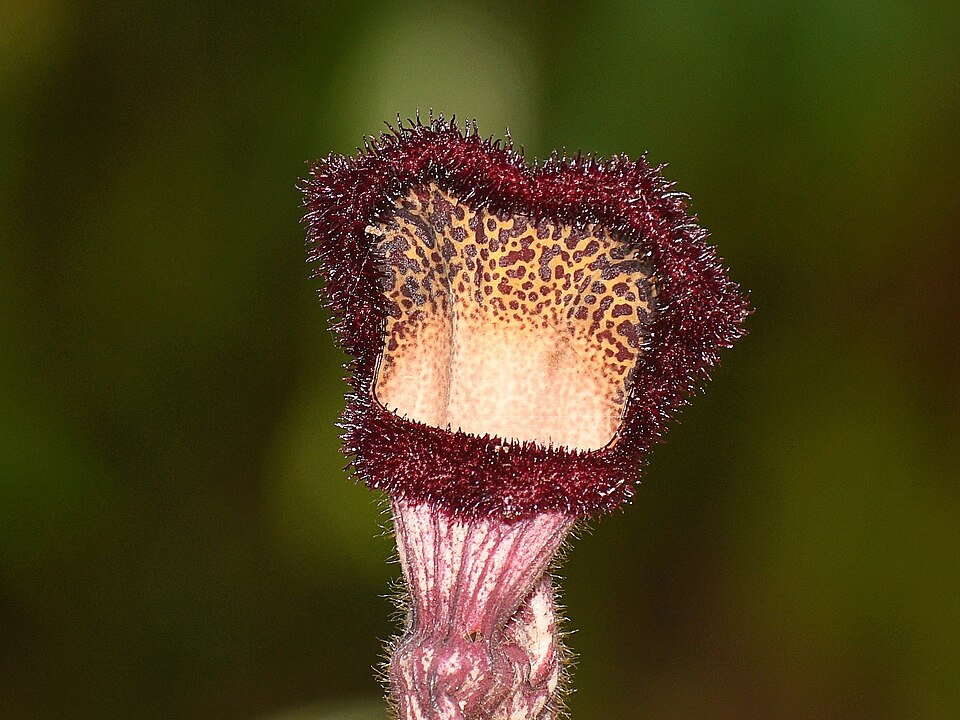
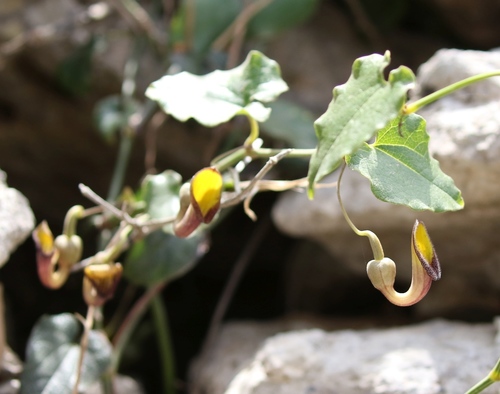
Asarum nipponicum
Maekawa
iNaturalist· cc-by-nc
(c) Keita Watanabe, some rights reserved (CC BY-NC), uploaded by Keita Watanabe
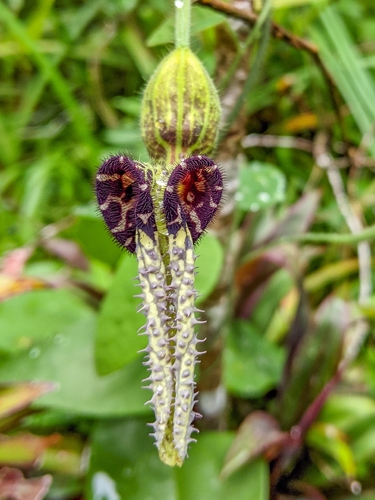
iNaturalist· cc-by-nc
(c) Keita Watanabe, some rights reserved (CC BY-NC), uploaded by Keita Watanabe
iNaturalist· cc-by-nc
(c) Keita Watanabe, some rights reserved (CC BY-NC), uploaded by Keita Watanabe
Summary
A low-growing perennial reaching 0.1 m in height. Hermaphrodite flowers are pollinated by flies. Tolerates light sandy, medium loamy, and heavy clay soils with good drainage. Grows in full shade or semi-shade with preference for mildly acidic, neutral, or mildly alkaline soils. Requires consistently moist conditions.
Description
A low-growing perennial reaching 0.1 m in height. Hermaphrodite flowers are pollinated by flies. Tolerates light sandy, medium loamy, and heavy clay soils with good drainage. Grows in full shade or semi-shade with preference for mildly acidic, neutral, or mildly alkaline soils. Requires consistently moist conditions.
Edible Uses
Edible Parts: Root Edible Uses: One report says that the plant is edible but does not say what part of the plant. It is more likely to be the root, though some caution should be taken, see the notes above on toxicity.
Medicinal Uses
None known
Known Hazards
Although no reports of toxicity have been found for this plant, at least 3 other members of this genus have reports that the leaves are toxic. Some caution is therefore advised in the use of this plant.
Distribution
It is a temperate plant.
Where It Grows
Asia, China, Japan,
Cultivation
We have very little information on this species and do not know if it will be hardy in Britain, though judging by its native range it should succeed outdoors in many parts of this country. The following notes are based on the general needs of the genus. Prefers a rich moist neutral to acid soil in woodland or a shady position in the rock garden. Plants are hardy to at least -15°c. The flowers are malodorous and are pollinated by flies. Plants often self-sow when growing in a suitable position.
Propagation
Seed - best sown in a cold frame as soon as it is ripe in the summer. Stored seed will require 3 weeks cold stratification and should be sown in late winter. The seed usually germinates in the spring in 1 - 4 or more weeks at 18°c. When large enough to handle, prick the seedlings out into individual pots and grow them on in light shade in the greenhouse for at least their first winter. Plant them out when large enough in late spring. Division in spring or autumn. Plants are slow to increase. It is best to pot the divisions up and keep them in light shade in the greenhouse until they are growing away strongly.
Other Uses
None known Special Uses
Notes
Asarum are mainly temperate in the Northern hemisphere.
Synonyms
References (2)
- Bot. Mag. (Tokyo) 46:570. 1932
- Plants for a Future database, The Field, Penpol, Lostwithiel, Cornwall, PL22 0NG, UK. http://www.scs.leeds.ac.uk/pfaf/