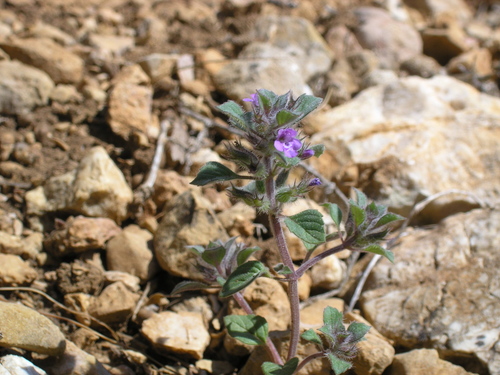
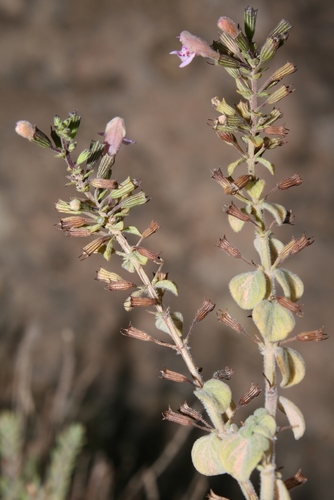
Vitex cymosa
Bertero ex Spreng.
Cymose chaste tree
iNaturalist· cc-by-nc-sa
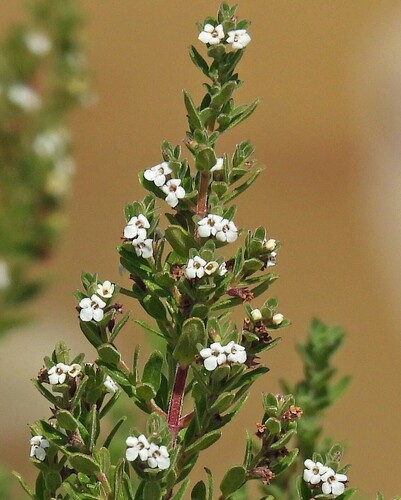
(c) Rich Hoyer, some rights reserved (CC BY-NC-SA), uploaded by Rich Hoyer
iNaturalist· cc-by-nc
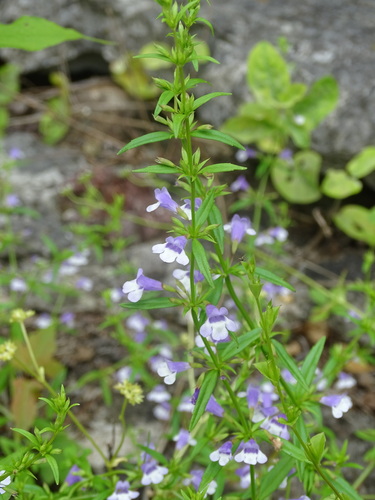
(c) Paul Donahue, some rights reserved (CC BY-NC), uploaded by Paul Donahue
iNaturalist· cc-by-nc
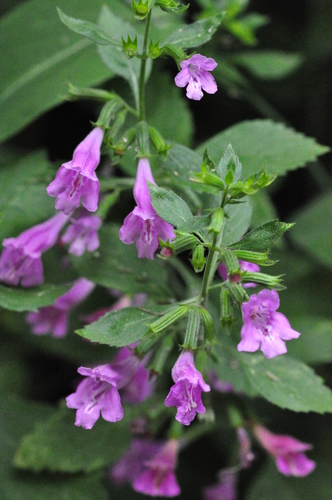
(c) Nelson Wisnik, some rights reserved (CC BY-NC), uploaded by Nelson Wisnik
Summary
Source: WikipediaVitex cymosa is a species of tree in the family Lamiaceae. It is native to Panama and South America.
Description
A tree. It grows 10-20 m high. The crown has a lot of leaves. The trunk is short and 50-90 cm across. The leaves are compound with leaflets spread out like fingers on a hand. The leaf stalks are 6-8 cm long. There are 5-7 leaflets of unequal size. The 2 near the base are smaller and 4-7 cm long while the others are 8-12 cm long. The flowers are in the axils of leaves. They are in groups 3-6 cm long and are purple. The fruit is round and fleshy. It is red or purple when ripe. It only has one seed.
Edible Uses
Ripe fruit are eaten fresh or made into marmalade, and the flowers are brewed into tea.
Traditional Uses
The ripe fruit are eaten fresh. They are also used for marmalade. The flowers are used to make tea.
This uses section is brief — help expand it
Medicinal Uses
The fruits and leaves have medicinal properties.
Distribution
A tropical plant. It grows naturally in gallery forest in the Amazon in central Brazil. It grows in tropical lowlands. In Argentina it grows below 500 m above sea level.
Where It Grows
Amazon, Argentina, Bolivia, Brazil*, Central America, Colombia, Cuba, Ecuador, Panama, Paraguay, South America, West Indies,
Cultivation
Plants are grown from seed. The ripe fruit are harvested and put into plastic bags until they soften. The seeds are removed and washed under running water. Fresh seed are planted and they germinate in 60-70 days.
Propagation
Seed - best sown as soon as it is ripe in a nursery seedbed in a sunny position. A moderate germination rate is usually attained, with the seed sprouting within 60 - 70 days.
Other Uses
The heartwood is dark brown to chocolate, the sapwood brown yellowish. The wood has a medium lustre, fine to medium texture and a generally straight grain. It is soft, moderately heavy, durable, easy to work and finishes well. It is used for furniture, stakes, railway ties and veneer. It is also pulped for making paper. Grown as a shade tree.
Production
Plants grow at a moderate rate.
Other Information
The fruit are not particularly popular. It is cultivated.
Notes
Also put in the family Verbenaceae.
Nutrition
| Part | Moisture | kJ | kcal | Protein | Vit A | Vit C | Iron | Zinc |
|---|---|---|---|---|---|---|---|---|
| Fruit | 83.7 | — | 37 | 0.5 | — | — | 0.4 | — |
Synonyms
Also Known As
Aceituno, Chutu, Guayacan pechiche, Jaramantaia, Pichichik, Taruma Guazu, Tarumeiro, Taruma-do-alagado, Taruma-guacu, Titinim, Ullunchi, Zaruma
References (18)
- Altschul, S.V.R., 1973, Drugs and Foods from Little-known Plants. Notes in Harvard University Herbaria. Harvard Univ. Press. Massachusetts. no. 3663
- Bortolotto, I. M., et al, 2015, Knowledge and use of wild edible plants in rural communities along Paraguay River, Pantanal, Brazil. Journal or Ethnobiology and Ethnomedicine. 11:46
- Bortolotto, I. M., et al, 2018, Lista preliminar das plantas alimenticias nativas de Mato Grosso do Sul, Brasil. Iheringia, Serie Botanica, Porto Alegre, 73 (supl.):101-116
- Bortholotto, I. M. et al, 2021, Food Composition Data: Edible Plants of Patanal. p304 In Jacob. U.P (Eds) Local Food Plants of Brazil. Ethnobiology.
- Grandtner, M. M., 2008, World Dictionary of Trees. Wood and Forest Science Department. Laval University, Quebec, Qc Canada. (Internet database http://www.wdt.qc.ca)
Show all 18 references Hide references
- Grandtner, M. M. & Chevrette, J., 2013, Dictionary of Trees, Volume 2: South America: Nomenclature, Taxonomy and Ecology. Academic Press p 694
- Kermath, B. M., et al, 2014, Food Plants in the Americas: A survey of the domesticated, cultivated and wild plants used for Human food in North, Central and South America and the Caribbean. On line draft. p 917
- Lopez-Diago, D. & Garcia, N., 2021, Wild edible fruits of Colombia. Biota ColomBiana 22 (2) p 39
- Lorenzi, H., 2002, Brazilian Trees. A Guide to the Identification and Cultivation of Brazilian Native Trees. Vol. 02 Nova Odessa, SP, Instituto Plantarum p 354
- Lorenzi, H., Bacher, L., Lacerda, M. & Sartori, S., 2006, Brazilian Fruits & Cultivated Exotics. Sao Paulo, Instituto Plantarum de Estuados da Flora Ltda. p 151
- NYBG herbarium "edible"
- Reis, S. V. and Lipp, F. L., 1982, New Plant Sources for Drugs and Foods from the New York Botanical Garden herbarium. Harvard. p 254
- Roa, J. A. G. & Boada, D. S. G., 2018, Fundación para el Fortalecimiento de la Fruticultura y Plantas Alimenticias no Convencionales en Colombia.
- Smith, N., et al, 2007, Amazon River Fruits. Flavors for Conservation. Missouri Botanical Gardens Press. p 252
- Syst. veg. 2:757. 1825
- Torre, de la, L., et al, 2008, Enciclopedia de las Plantas Útiles del Ecuador. Herbario QCA. Pontificia Universidad Católica del Ecuador. p 619
- www.colecionandofrutas.org
- Zambrana, P, et al, 2017, Traditional knowledge hiding in plain sight – twenty-first century ethnobotany of the Chácobo in Beni, Bolivia. Journal of Ethnobiology and Ethnomedicine (2017) 13:57