Clinopodium glabellum
(Michx.) Kuntze
iNaturalist· cc-by-nc
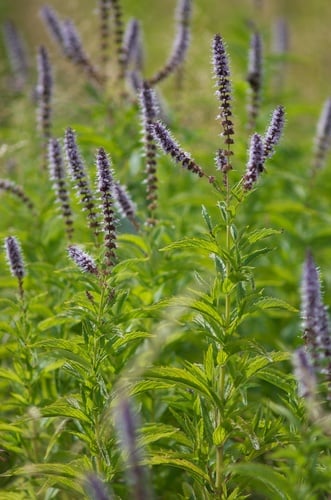
(c) Samantha Heller, some rights reserved (CC BY-NC), uploaded by Samantha Heller
iNaturalist· cc-by-nc
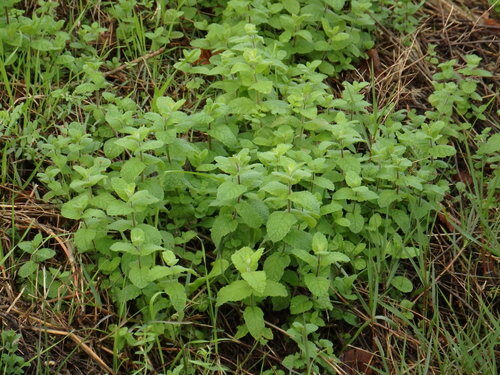
(c) Jared Gorrell, some rights reserved (CC BY-NC)
Summary
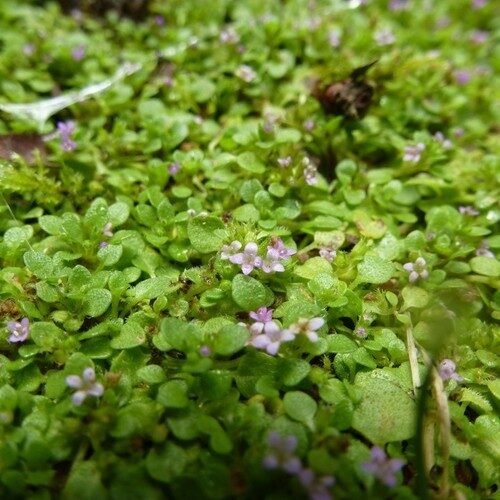
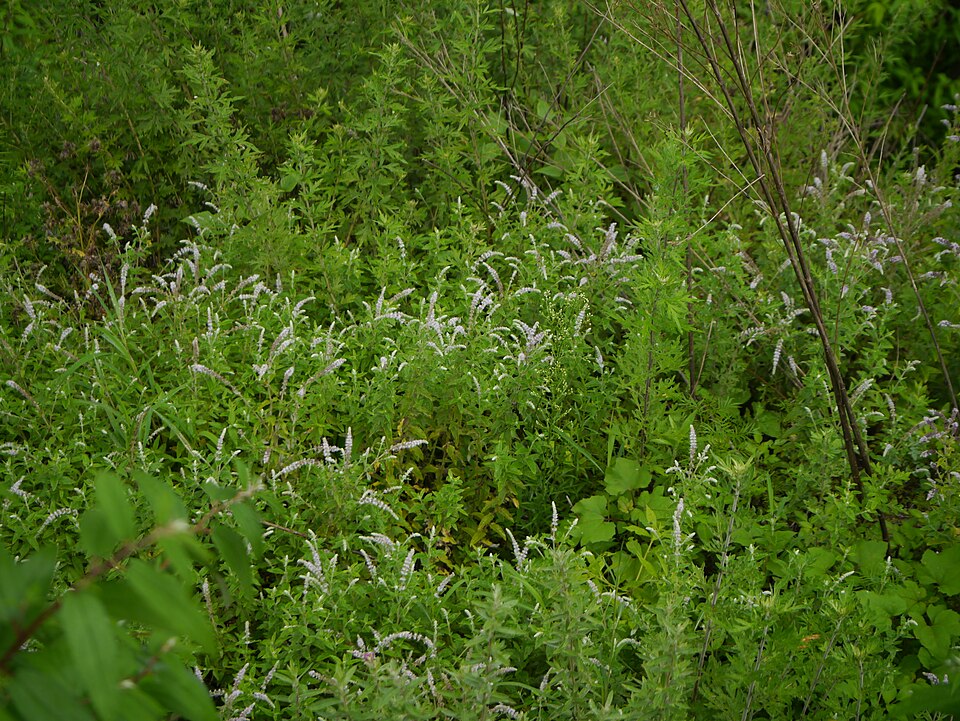
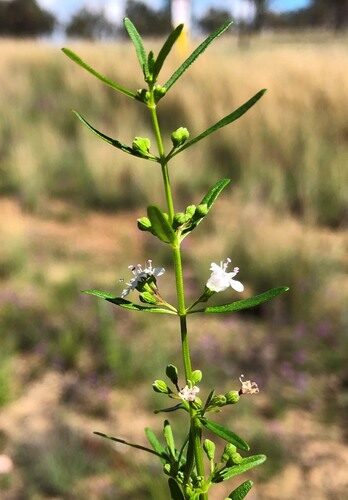
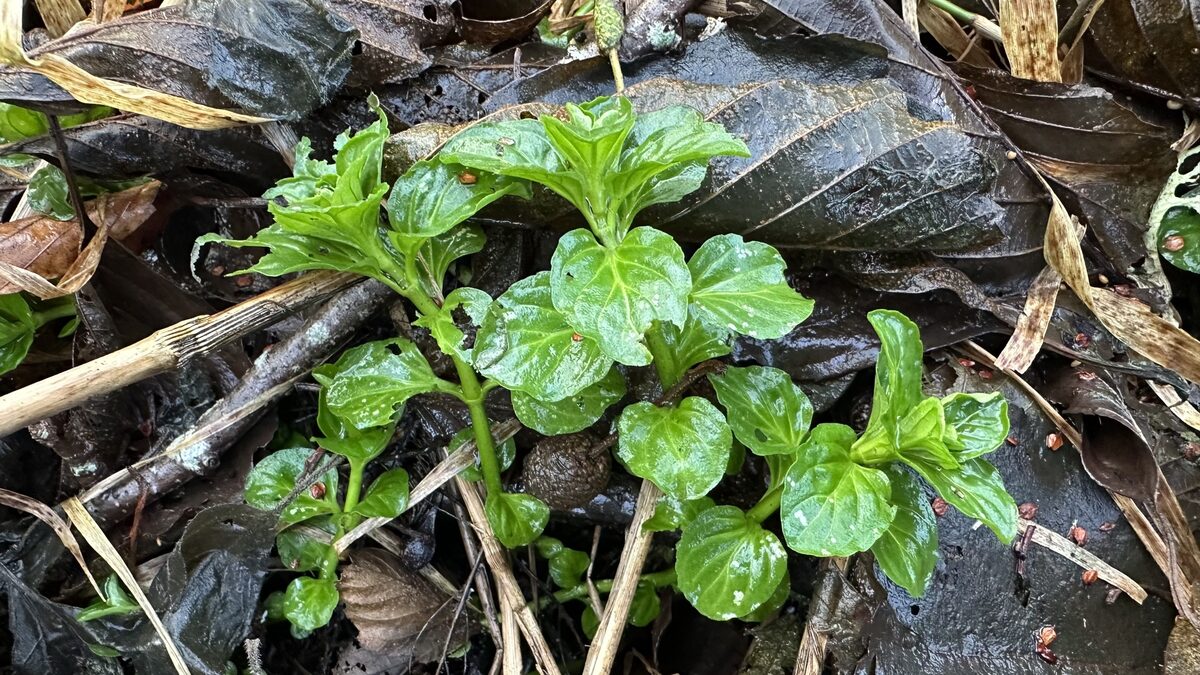
Source: WikipediaClinopodium glabellum is a species of flowering plant in the mint family. It is commonly known as glade calamint, glade savory, and glade wild basil. It is native to the Nashville Basin of Tennessee, the Bluegrass Region of Kentucky, and two counties in Alabama. Within this range, it is found only on wet cedar glades and in seeps along limestone creekbeds. Due to its narrow range and specific habitat requirements, this species is considered vulnerable. It is a small perennial, often flowering in the first year. It produces pale pink flowers in late spring. Clinopodium glabellum has been confused with Clinopodium arkansanum, which has caused the known range of both species be somewhat unclear. Clinopodium glabellum has sometimes been called "Ozark calamint", which is misleading as the Ozark populations appear to be Clinopodium arkansanum.
Description
Fast-growing evergreen perennial reaching 0.6 m tall and spreading to 1.5 m. Hardy to UK zone 7. Tolerates light sandy, medium loamy, and heavy clay soils with good drainage and mildly acidic pH. Grows in semi-shade or full sun and prefers moist to wet conditions. Functions as a medium-density ground cover that withstands moderate foot traffic.
Edible Uses
No edible uses are known for this plant.
Medicinal Uses
No medicinal uses are known for this plant.
Distribution
It is a temperate plant. It suits hardiness zone 6.
Where It Grows
USA,
Propagation
Seed.
Other Uses
Well suited to bog gardens, this fast-growing plant forms a medium-density ground cover that can tolerate some foot traffic. Its aromatic nature may confuse pests, potentially reducing their ability to locate and damage nearby crops. Useful in food forest systems as a ground cover layer.
Synonyms
References (1)
- Jackes, D. A., Edible Forest Gardens (As glabrellum)