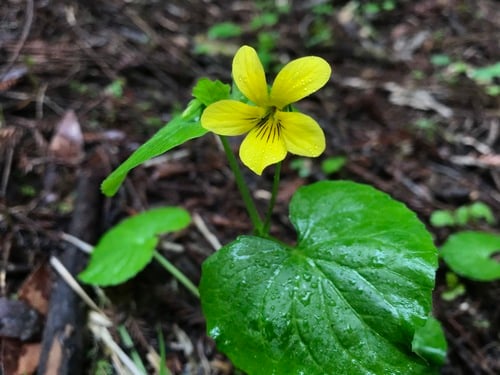
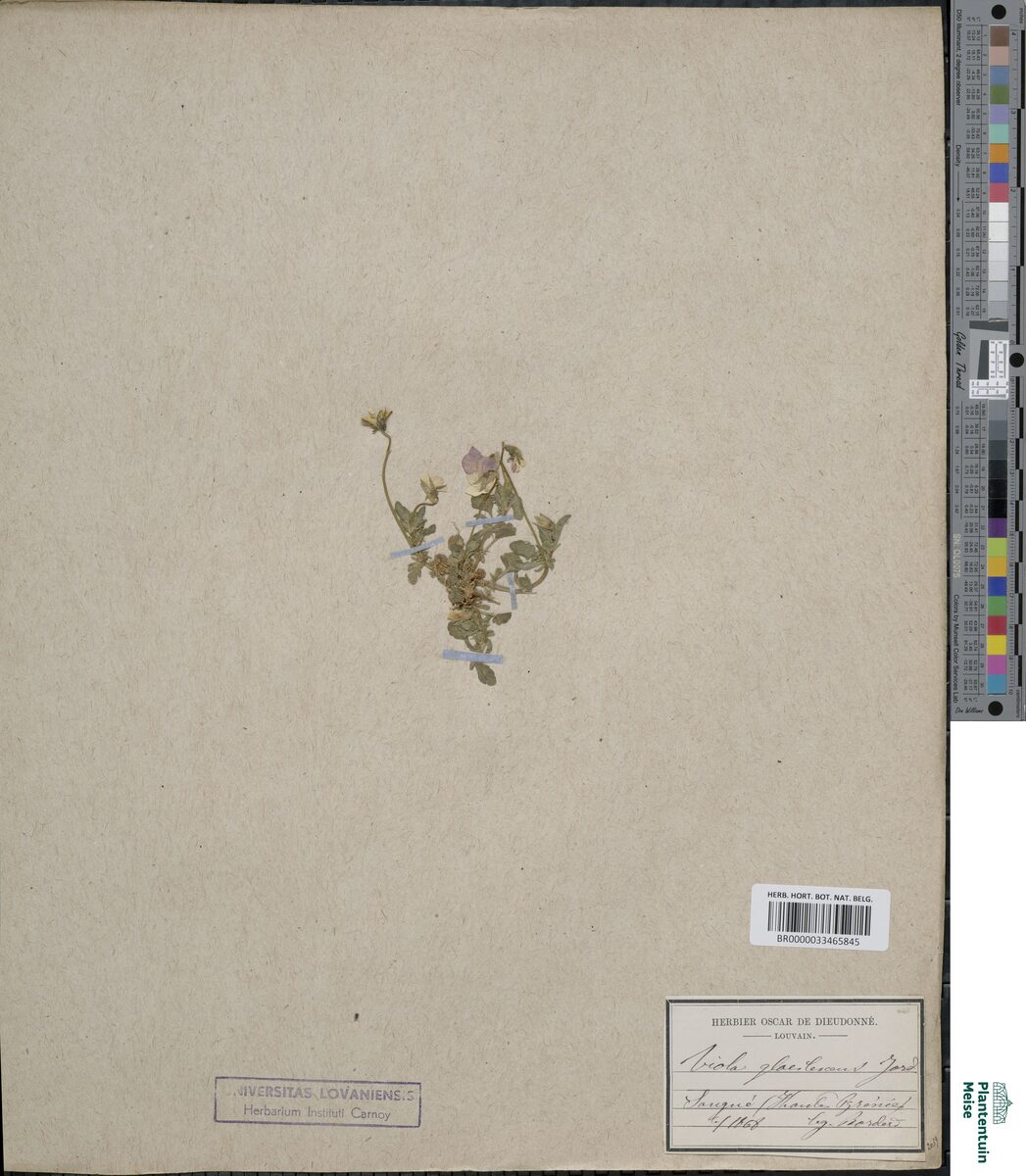
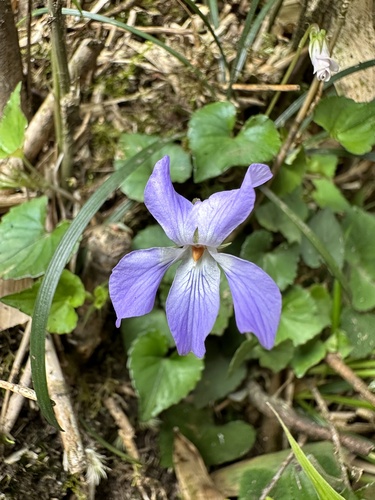
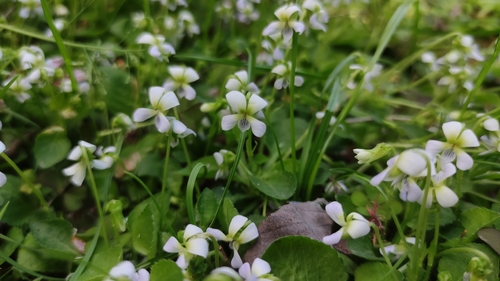
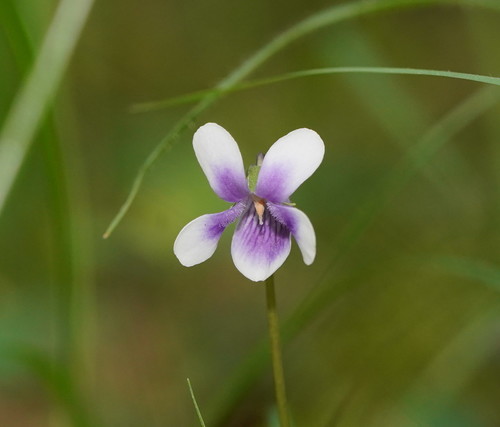
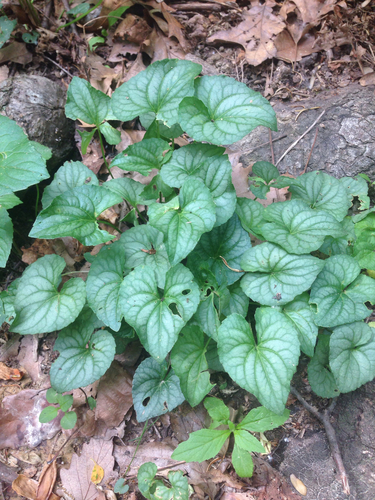
Viola reichenbachiana
Jordan ex Boreau
Chin Ts'Ai, Early Dog-violet
wikimedia· cc-by-sa
Wikimedia Commons - Jörg Hempel
wikimedia· cc-by-sa
Wikimedia Commons - Gabriele Vaudano
iNaturalist· cc-by
(c) Petr Harant, some rights reserved (CC BY), uploaded by Petr Harant
Summary
Source: WikipediaA perennial reaching 0.2 m tall, hardy to UK zone 8. Flowers March to May. Hermaphroditic and insect-pollinated. Tolerates light sandy, medium loamy, and heavy clay soils with good drainage. Prefers mildly acid to neutral pH and moist conditions. Grows in semi-shade or full sun.
Description
A perennial reaching 0.2 m tall, hardy to UK zone 8. Flowers March to May. Hermaphroditic and insect-pollinated. Tolerates light sandy, medium loamy, and heavy clay soils with good drainage. Prefers mildly acid to neutral pH and moist conditions. Grows in semi-shade or full sun.
Edible Uses
Young leaves and flower buds are edible raw or cooked. Thicken soups similarly to okra. Leaves make tea. Yellow flowers may cause diarrhea if consumed in large quantities.
Medicinal Uses
Used as a pectoral for chest complaints including tuberculosis. Treats cholera. Bruised stems, leaves, and flowers applied topically to infected sores and wounds. Also treats bites and stings.
Known Hazards
Yellow flowers can cause diarrhea if eaten in large quantities.
Distribution
It is a temperate plant.
Where It Grows
Africa, Asia, Australia, Britain, China, Europe, France, Kashmir, Luxembourg, Mediterranean, Morocco, North Africa, Scandinavia, Spain, Switzerland,
Cultivation
Prefers a cool moist well-drained humus-rich soil in partial or dappled shade and protection from scorching winds. Tolerates sandstone and limestone soils but becomes chlorotic if the pH is too high. Prefers a pH between 6 and 6.5. Closely related to V. riviniana. All members of this genus have more or less edible leaves and flower buds, though those species with yellow flowers can cause diarrhoea if eaten in large quantities.
Propagation
Sow seed in autumn or stored seed in early spring in cold frame. Prick out seedlings when large enough and plant out in summer. Divide in autumn or just after flowering. Pot smaller divisions in light shade until established, then plant out in summer or following spring.
Other Uses
None known Special Uses
Notes
There are about 500 Viola species.
Synonyms
References (4)
- Bonet, M. A. & Valles, J., 2002, Use of non-crop food vascular plants in Montseny biosphere reserve (Catalonia, Iberian Peninsula). International Journal of Food Sciences and Nutrition (2002) 53, 225–248 (As Viola sylvestris)
- Fl. centre France ed. 3., 2:78. 1857
- Hibbert, M., 2002, The Aussie Plant Finder 2002, Florilegium. p 307
- Plants for a Future database, The Field, Penpol, Lostwithiel, Cornwall, PL22 0NG, UK. http://www.scs.leeds.ac.uk/pfaf/