Artocarpus sarawakensis
Jarrett
Pingan
gbif· cc0
President and Fellows of Harvard College
gbif· cc0
President and Fellows of Harvard College
gbif· cc0
President and Fellows of Harvard College
Description
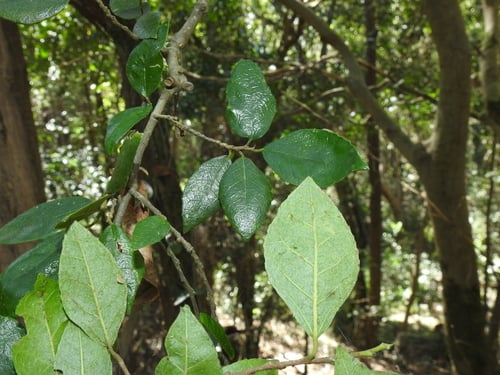
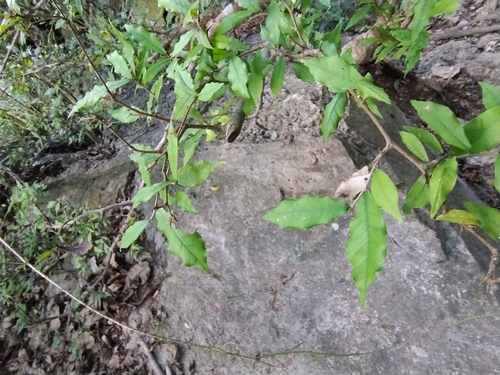
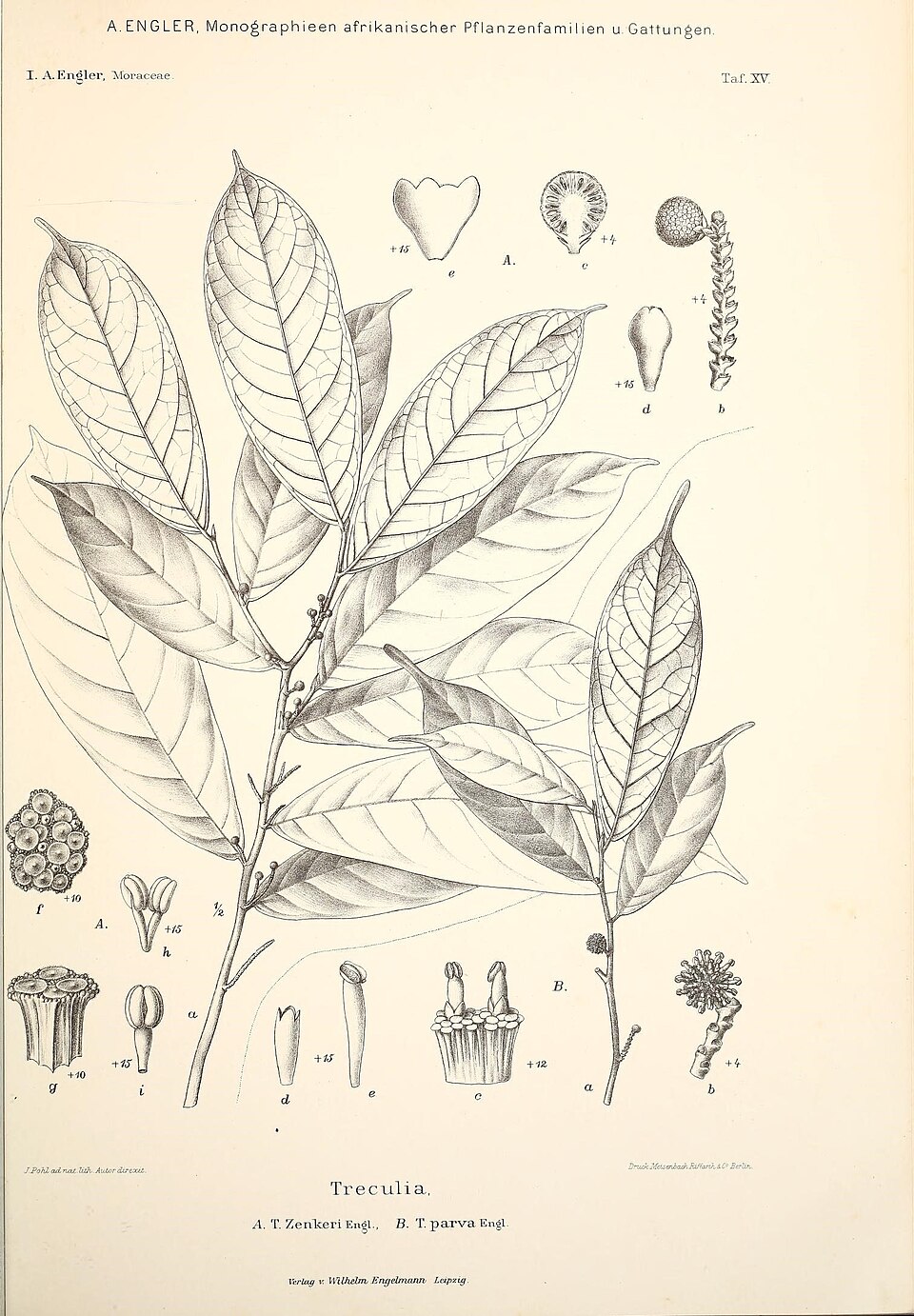
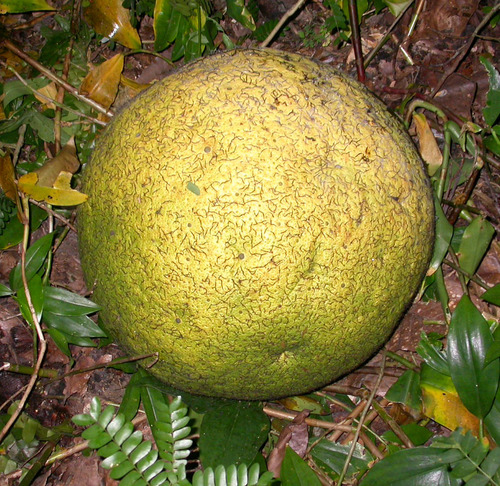
A tree. It grows 25 m high. The leaves are large. They can be 60 cm across. They are deep green and undivided. The leaf stalk has a covering of golden hairs. The fruit are orange brown. They are 7.5-10 cm across. The seed inside is surrounded by a fleshy layer.
Edible Uses
The fruit is eaten fresh. The seeds are boiled, roasted, or fried and eaten.
Traditional Uses
The fruit are eaten. The seeds are boiled, roasted or fried and eaten.
This uses section is brief — help expand it
Distribution
A tropical plant. It grows in lowland forests and up to 300 m above sea level.
Where It Grows
Asia, Australia, Brunei, Indonesia, Malaysia, Sarawak, SE Asia,
Cultivation
Plants are grown from seeds.
Other Information
It is cultivated.
Notes
There are about 50 Artocarpus species. They are in the tropics and subtropics of Asia and the Pacific.
Also Known As
Pedalai
References (8)
- Chai, P. P. K. (Ed), et al, 2000, A checklist of Flora, Fauna, Food and Medicinal Plants. Lanjak Entimau Wildlife Sanctuary, Sarawak. Forestry Malaysia & ITTO. p 169
- Facciola, S., 1998, Cornucopia 2: a Source Book of Edible Plants. Kampong Publications, p 154
- Milow, P., et al, 2013, Malaysian species of plants with edible fruits or seeds and their evaluation. International Journal of Fruit Science. 14:1, 1-27
- PROSEA No. 2
- Siong, K. H., 2003, Indigenous Fruits of Sarawak. Forest Department Sarawak. p 101
Show all 8 references Hide references
- Soepadmo, E. and Saw, L. G., 2000, Tree Flora of Sabah and Sarawak. Forestry Malaysia. Volume Three. p 210
- Tankard, G., 1990, Tropical fruit. An Australian Guide to Growing and using exotic fruit. Viking p 122
- World Checklist of Useful Plant Species 2020. Royal Botanic Gardens, Kew